
Sump Pump Leaks: Causes, Risks, & Prevention
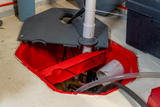
A properly functioning sump pump keeps your basement dry, prevents flooding, and protects your foundation. When it fails, even briefly, water can accumulate quickly.
This page explains why sump pumps fail, the risks involved, and how to prevent issues with professional waterproofing solutions.
What Causes Sump Pump Failure?
The most common causes of sump pump problems include power loss, mechanical problems, installation errors, or lack of maintenance. Other common causes of sump pump leaking and failure include:
What Happens If a Sump Pump Leaks or Fails?
When a sump pump leaks or fails, water often accumulates in your basement, causing flooding, property damage, and mold growth. These issues worsen without prompt repair or replacement. Damages that may occur include:
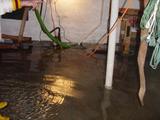
Basement Flooding
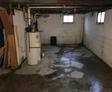
Flooding, puddles, or water seepage indicate a pump malfunction. Regular sump pump inspections and maintenance prevent these problems before they cause major damage.
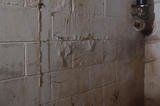
Water and Structural Damage
Persistent moisture and water seepage cause damage to basement walls, stored belongings, flooring, and foundation materials. This excess moisture leads to cracks and long-term structural instability.
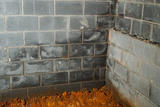
Mold Growth and Efflorescence
Most mold growth begins 24 to 48 hours after a flood or leak, while efflorescence may form over time as moisture seeps through concrete, leaving white mineral deposits. Both symptoms indicate ongoing water intrusion that sump pumps help prevent.
What Is a Sump Pump Battery Backup?
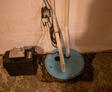
A battery backup sump pump runs on battery power, keeping your basement dry even during power outages. Many systems also include alarms or indicators that alert you to issues with your main pump, helping you prevent costly water damage and extend the life of your waterproofing system.
How Do Battery Backups Work?
Battery backup pumps operate much like standard sump pumps but are designed to assist them rather than replace them. To ensure reliability, test and charge the battery regularly, especially before storms. With proper maintenance, these systems are highly durable and long-lasting. Choosing the right backup pump for your home is essential, so consider having a professional inspect your current sump pump setup before installation.
How Can You Prevent Sump Pump Leaking and Failure?
You can prevent most sump pump leaks and failures through routine maintenance and periodic testing. Simple checks ensure the system activates properly and drains efficiently. Here are a few ways to prevent sump pump errors:
- Obtain Backup Power: A battery backup or generator prevents basement flooding during power outages.
- Ensure Proper Pump Sizing: Ensure the sump pump is sized appropriately. An undersized pump cannot handle heavy water inflow.
- Inspect the Components: Visually inspect electrical components for worn cables. Ensure the pump is properly connected to a ground-fault circuit interrupter (GFCI). Overload breaks the circuit.
- Check the Float Switch: Ensure the switch moves freely and activates the pump at the correct water level.
- Inspect the Discharge Pipe: Look for clogs, cracks, or obstructions.
- Regular Testing: Pour a bucket of water into the sump pit to ensure the pump activates.
- Maintain Proper Water Drainage: Ensure gutters and downspouts direct water away from the foundation.
Many electrical and mechanical problems require professional expertise. Reputable basement waterproofing experts offer free inspections and maintenance plans to safely and effectively identify, prevent, and address sump pump issues.
Do Sump Pumps Need Maintenance?
Sump pumps require maintenance, such as cleaning, replacing parts, and checking proper functioning, to prevent basement flooding and damage. Here is a sump pump maintenance checklist:
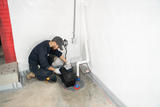
- Regular Cleaning: Prevents clogs and debris
- Filter Replacement: Maintains pump efficiency
- Clear Discharge Vent: Prevents pressure build-up.
- Replace Worn Parts: Ensures optimal performance
- Check Discharge Line Length: Important for effective water removal.
- Check Valve: Helps prevent water backflow.
- Secure the Connections: Prevents electrical hazards and malfunctions.
Contact Mount Valley Foundation Services for a free inspection. We ensure your sump pump is functioning at full capacity, maintaining safety and efficiency for your home.
Mount Valley Provides Free Basement Inspections

Sump pump problems? Contact Mount Valley Foundation Services for a free inspection.
Our customized waterproofing and sump pump systems protect your home from water damage and related issues.
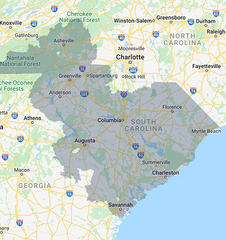
We are South Carolina, North Carolina, and Georgia’s trusted basement waterproofing professional.
Sump Pump FAQs
It’s normal for at least some water to be in your sump pit. The way a complete interior drainage system works is the interior drains collect leaking water and direct it to the sump pump. The water drains into the sump pit, and once it reaches a certain level, it triggers a float switch that kicks the pump on. The pump will then move the water out through discharge pipes. If the float switch fails to activate, the sump pit can fill, overflow, and lead to basement flooding.
Most sump pumps last about 10 years. If they are cheaper, poor-quality systems, they may not last that long. But with a high-quality sump pump system, it could last beyond 10 years with regular inspections and upkeep. At Mount Valley Foundation Services, we pride ourselves on our variety of durable, long-lasting cast iron sump pumps and optional backup battery pumps that will keep your basement dry and home healthy for years to come.
It’s important to have your sump pump inspected and maintained on a regular basis. The inner workings of your sump pump can be quite delicate, which is why we do not recommend that you try fix your sump pump on your own. Basement waterproofing professionals like our team at Mount Valley Foundation Services have the expertise and tools to handle your sump pump problems. When you choose us as your basement waterproofing provider, you also can take advantage of our annual maintenance program.

Shaye Glisson
Related Resources

Publish Date:
Last Modified Date:
Our Locations
630 Ellis Street, Suite 2-B
Augusta, GA 30901
1850 Ashley River Rd
Charleston, SC 29407
401 Gamble Dr., Suite B
Columbia, SC 29209
1704 N. Oak Street, Suite 3
Myrtle Beach, SC 29577
6606 Abercorn St., Suite 211
Savannah, GA 31405