
Basement Waterproofing Inspection Checklist for Charlotte Homeowners
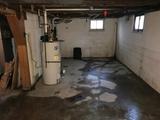
A basement waterproofing inspection in Charlotte helps protect your foundation, belongings, and the long-term value of your home. Inspectors look for cracks, leaks, drainage problems, and other signs of water damage that compromise structural integrity.
This page explains the basement waterproofing inspection process and its importance for homeowners.
What Do Inspectors Look for When Inspecting a Basement?
Basement inspectors check for foundation cracks and movement, sump pump performance, and other signs of water intrusion or structural stress. These assessments identify problems early, before they cause costly damage. If damage is already present, inspections help determine the best repair strategy.
What Do Inspectors Check in Foundation and Structural Supports?
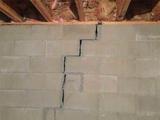
Inspectors check foundation and structural supports for cracks, bowing walls, tilting chimneys, sagging floors, and sticking doors or windows. These signs indicate foundation shifting or settlement that can weaken your home’s stability. Foundation cracks are also categorized by type:
- Horizontal cracks – often caused by hydrostatic pressure.
- Vertical cracks – the most common type of foundation crack, often caused by the natural concrete curing and shrinking process, settling, and poor initial construction.
- Diagonal cracks – a sign of uneven settlement or soil pressure.
- Stair-step cracks – common in block or brick walls, following mortar lines, and are often a sign of differential settling.
What Do Inspectors Look for in Basement Insulation?
Inspectors check basement insulation for moisture damage, mold growth, and proper installation. They specifically look for the following:
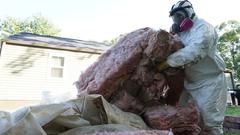
- Insulation Type: They identify the type of insulation used (e.g., fiberglass, rigid foam board, spray foam) and its suitability for a basement environment.
- Condition of Insulation: They assess whether the insulation is wet, damp, or shows visible mold growth, which can indicate water intrusion or high humidity.
- Air and Water Leaks: Inspectors check for gaps or tears in the insulation that could allow air and moisture to leak into the basement.
- Ductwork and Pipes: They verify that HVAC ducts and water pipes are properly insulated to prevent energy loss and condensation.
This assessment helps determine whether the current insulation is effective in controlling temperature and moisture, which enhances the home’s energy efficiency.
What Are the Signs of Basement Water Damage and Moisture?
Basement moisture often indicates foundation or drainage issues that lead to musty odors, mold growth, and mildew. Additional signs of moisture include:
- Basement humidity: damp, humid air that makes the space feel uncomfortable.
- Wet basement walls: caused by excess humidity or condensation on walls, pipes, or windows.
- Leaky windows: unsealed windows allow rainwater and moisture entry.
- Pest infestations: insects and rodents are drawn to damp, dark, humid environments
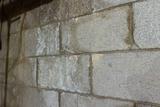
- Efflorescence: White residue on walls from mineral salts left after water evaporation.
Professional basement waterproofing inspections in Charlotte, NC, help identify issues early, so you can prevent further damage.
How Do Inspectors Assess Drainage and Waterproofing Systems?
Inspectors assess drainage and waterproofing systems to ensure water is directed away from the home. Basement inspectors assess:
- Gutters and downspouts
- Yard grading
- Interior drainage
- Vapor barriers
- Sealants
Routine inspections ensure these systems remain in optimal working condition and help prevent water damage before it starts.
Why Do Inspectors Check Sump Pumps and Basement Systems?
Inspectors check sump pumps and basement systems because they are critical in preventing flooding and moisture buildup. Professionals assess whether the sump pump is clean and functional. Basement inspectors also evaluate other at-risk systems, including:
- Washers and dryers
- Water heaters
- HVAC units
- Electrical panels
Evidence of water pooling, rust, or a high-water line may require repairs or replacements.
Schedule a Free Basement Inspection in Charlotte, NC
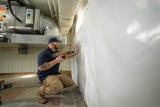
If your basement shows signs of water intrusion, schedule a free inspection with Mount Valley Foundation Services. Our certified inspectors assess the interior and exterior of your basement, identify problem areas, and recommend customized solutions.
Protect your home before the next storm. Schedule your free basement waterproofing inspection today.
Basement Waterproofing FAQs
You know your basement needs waterproofing if you notice signs of moisture, such as musty odors, mold, stains, puddles, efflorescence, or wall cracks.
Basement waterproofing costs depend on the extent of the damage, the size of the area, and the type of solutions used.
A basement inspection from Mount Valley Foundation Services is free. Contact us today for a thorough evaluation and tailored repair solutions.

Shaye Glisson
Related Resources
Publish Date:
Last Modified Date:
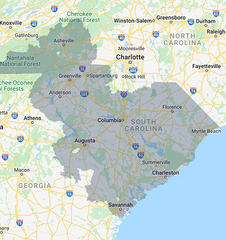
Our Locations
630 Ellis Street, Suite 2-B
Augusta, GA 30901
1850 Ashley River Rd
Charleston, SC 29407
401 Gamble Dr., Suite B
Columbia, SC 29209
1704 N. Oak Street, Suite 3
Myrtle Beach, SC 29577
6606 Abercorn St., Suite 211
Savannah, GA 31405