
Why Are Basements Rare in the South?
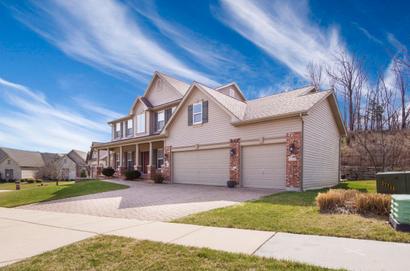
Across South Carolina, from Charleston and Columbia to Greenville, regional soil and climate conditions make it more challenging to build and maintain dry basements than in northern states.
This page explains why basements are uncommon in the South and how professional waterproofing solutions help prevent foundation damage.
Why Are Basements Rare in Southern Homes?
Southern homes are typically built on slabs or crawl spaces rather than full basements. That’s because the climate, soil composition, and groundwater levels differ dramatically from the northern U.S. The primary reasons basements are less common across South Carolina and the Southeast include:
1. Shallow Frost Line: Why Depth Matters for Foundations
The depth where groundwater freezes, also known as the frost line, determines how deep foundations must be to prevent frost heave. In colder states, this line can extend several feet underground, making deep foundations and basements practical.
In the South, the frost line rarely goes deeper than ten inches. Because freezing is minimal, homes don’t require deep foundations or a heated basement for utility systems. Builders save time and money by constructing shallower foundations instead.
2. Expansive Clay Soils and Foundation Movement
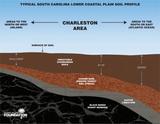
Much of South Carolina has clay-heavy soil, which expands when wet and contracts when dry. This natural movement creates uneven pressure on below-ground walls and floors, often resulting in cracks, leaks, or structural shifts. You can imagine the impact this soil has on foundations when it freezes (frost heave).
Without proper reinforcement and waterproofing, a basement built on clay soil can experience foundation movement and chronic water intrusion. Soil stabilization and interior drainage systems become critical in keeping these structures secure.
3. High Water Tables and Basement Flooding
High water tables are one of the biggest challenges of building basements in the South. In areas like Columbia and Charleston, groundwater may sit only a few inches below the surface. This increases hydrostatic pressure on basement walls, leading to moisture seepage, bowing walls, and flooding after heavy rain.
Building or maintaining a basement in these conditions requires professional waterproofing solutions, including sump pump systems, interior drains, and vapor barriers.
4. Construction Costs and Regional Building Practices
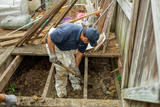
Excavating for a basement in wet or clay-rich soil significantly increases construction costs in the South. Though land costs in South Carolina are rising, the price per acre remains generally lower than in Northern states. For this reason, builders often expand outward rather than downward. Slab-on-grade foundations and crawl spaces are easier and more affordable to build than full basements.
Since Charleston banned slab-on-grade foundations for new home development in the 100-year floodplain, most new homes in those flood-prone South Carolina areas are now built on elevated systems such as pier-and-beam, stilt, or crawl-space foundations.
Building and Protecting Basements in the South
Basements can be built successfully in the South when homeowners take preventive steps during construction and maintenance. Basement waterproofing experts recommend protective measures to protect your foundation, such as:
- Install an interior drainage system: These systems help prevent flooding by collecting and channeling water to a sump pump.
- Add a sump pump with battery backup: Sump pumps remove water quickly, keeping basements dry during storms and power outages.
- Use proper insulation and vapor barriers: These protective barriers prevent condensation, mold, and humidity buildup along basement walls and floors.
- Stabilize clay soil before construction: Mixing lime or other stabilizers helps minimize shrink-swell soil movement.
When installed by an experienced, local waterproofing professional, these systems protect your home from moisture, foundation settlement, and long-term structural damage.
Mount Valley Foundation Services Protects South Carolina Basements
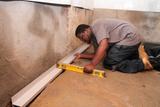
Mount Valley Foundation Services provides trusted basement waterproofing, foundation repair, and crawl space encapsulation across Charleston, Columbia, and Greenville.
Our local teams understand South Carolina’s unique soil and weather conditions, designing waterproofing systems that withstand regional humidity, heavy rain, and shifting soils.
Contact Mount Valley Foundation Services today to schedule your free basement waterproofing inspection and learn how we can help keep your home safe, dry, and protected year-round.
Basement Waterproofing FAQs
You know your basement needs waterproofing if you notice signs of moisture, such as musty odors, mold, stains, puddles, efflorescence, or wall cracks.
A basement inspection from Mount Valley Foundation Services is free. Contact us today for a thorough evaluation and tailored repair solutions.
Basement wall cracks can result from a variety of factors. Common causes include soil movement and settling, hydrostatic pressure from saturated soil, freeze-thaw cycles affecting the foundation, flaws in the concrete curing process, and pressure from expanding tree roots. Understanding the specific cause of the cracks in your basement is essential for determining the most effective repair strategy. Mount Valley Foundation Services offers comprehensive inspections to identify the underlying causes of basement wall cracks – contact us today to schedule your appointment!

Shaye Glisson
Related Resources

Publish Date:
Last Modified Date:
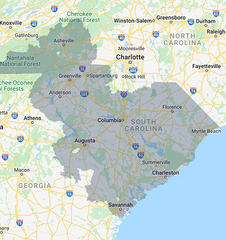
Our Locations
1850 Ashley River Rd
Charleston, SC 29407
401 Gamble Dr., Suite B
Columbia, SC 29209
1704 N. Oak Street, Suite 3
Myrtle Beach, SC 29577
6606 Abercorn St., Suite 211
Savannah, GA 31405