
Why Charleston Banned Slab-on-Grade Foundations in Flood Zones
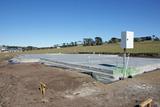
On April 11, 2023, the Charleston City Council unanimously voted to prohibit slab-on-grade foundations for residential single-family homes, duplexes, and townhouses within the 100-year floodplain. The ordinance took effect January 1, 2024.
Charleston officials banned slab-on-grade foundations because they increase flood risks, disrupt drainage, and are less resilient to climate change. Here’s what this means for residents and what alternatives are available.
What is a Slab-on-Grade Foundation?
A slab-on-grade foundation is a concrete slab foundation poured directly onto the ground. It serves as a stable base for houses, garages, commercial buildings, and other structures. Construction typically involves digging a shallow trench, adding gravel for drainage, and pouring reinforced concrete.
Slab foundations are both affordable and energy-efficient. However, in Charleston’s low-lying, flood-prone coastal areas, they are highly vulnerable to water damage.
Why Did Charleston Ban Slab-on-Grade Foundations?
The Charleston slab-on-grade ban intends to mitigate flood risks and promote sustainable regional building practices. The main reasons include:
1. Flooding Risks
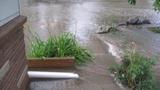
Slab-on-grade construction often requires fill dirt, which disrupts natural water flow and increases runoff onto neighboring properties. During storms, this worsens community flooding.
2. Environmental Concerns
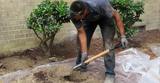
Clearing land for slab foundations removes vegetation and alters elevation, reducing the land’s ability to absorb and manage stormwater naturally.
3. Climate Change and Sea-Level Rise
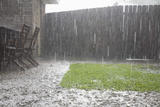
Charleston faces rising sea levels and more intense storms. Slab foundations cannot adapt as easily as elevated foundation types, making them unsustainable in areas prone to coastal flooding.
How the Slab-on-Grade Ban Impacts Charleston Homeowners
Banning slab-on-grade foundations impacts Charleston homeowners and builders, as elevated foundation types, such as pier and beam systems and crawl spaces, become necessary for new construction in designated flood zones.
While these alternatives may increase upfront costs, they provide stronger long-term protection against flooding and structural damage. They also align with Charleston’s climate resilience and sustainability goals.
As of January 1, 2024, all new building permit applications for single-family homes within the 100-year floodplain must include elevated foundations.
Protect Your Charleston Home with a Free Foundation Inspection
Charleston’s new flood-resistant construction methods proactively reduce future flood risks and promote sustainable development. It addresses environmental challenges head-on while protecting its residents.
If you reside in Charleston, SC, or nearby areas and need expert foundation care, contact Mount Valley Foundation Services. We offer free inspections and tailored repair strategies to safeguard your foundation before the next storm.
Foundation Repair FAQs
New homes and buildings constructed in Charleston’s 100-year floodplain must utilize elevated foundation systems, such as crawl space or pier-and-beam construction. These alternatives offer improved flood protection and align with the city’s climate resilience objectives.
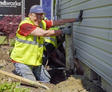
Flooded foundations can be repaired using wall anchors, carbon fiber straps, or piering systems, depending on the severity of the damage and the soil conditions.
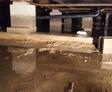
Signs of flood damage to a foundation include cracks in walls or floors, sticking doors and windows, uneven or sloping floors, pooling water near the foundation, and gaps between walls and ceilings.

Shaye Glisson
Related Resources
Publish Date:
Last Modified Date:
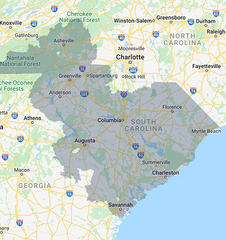
Our Locations
630 Ellis Street, Suite 2-B
Augusta, GA 30901
1850 Ashley River Rd
Charleston, SC 29407
401 Gamble Dr., Suite B
Columbia, SC 29209
1704 N. Oak Street, Suite 3
Myrtle Beach, SC 29577
6606 Abercorn St., Suite 211
Savannah, GA 31405