
Understanding Foundation Cracks
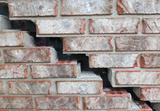
Many homeowners assume that all cracks indicate foundation failure, but that’s not always the case. When foundation cracks appear, it’s important to identify the cause rather than rely on appearance alone. Applying cosmetic fixes without addressing the underlying issue can allow hidden problems to worsen over time.
The key to maintaining a stable foundation is understanding which cracks require professional repair and which are simply cosmetic. This page explains more.
- Are Foundation Cracks Normal?
- Do Cracks Always Mean Foundation Problems?
- When to Be Concerned About Foundation Cracks
- What Types of Foundation Cracks Need Repair?
- What Are the Most Effective Foundation Repair Solutions?
- Why You Shouldn’t Just Fill Foundation Cracks
- When to Schedule a Foundation Inspection in Greenville, SC
Are Foundation Cracks Normal?
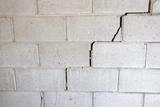
Some foundation cracks are completely normal and not a sign of structural damage. These cracks often occur as concrete cures or as a new foundation settles naturally within the first few years after construction.
Vertical foundation cracks are the most common and least serious. These small cracks, typically less than ¼ inch wide, rarely affect a home’s stability.
However, if cracks widen or allow water infiltration, contact a foundation repair expert for customized solutions to prevent further seepage and water damage.
Do Cracks Always Mean Foundation Problems?
No, not every crack points to a foundation problem. Some are purely cosmetic, while others may signal soil movement or structural stress. Understanding the difference helps you know when to take action.
Common crack types and causes include:
- Hairline Cracks: Normal; not a concern unless they widen or spread.
- Horizontal Cracks: Often caused by soil pressure, hydrostatic force, or poor drainage.
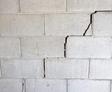
- Stair-step Cracks: Typically indicate settlement or shifting soil beneath brick or block walls.
- Environmental Factors: Expansive soil, flooding, or improper soil preparation can cause cracks.
Because appearance alone can’t confirm the cause, schedule a professional foundation inspection to determine whether repairs are needed.
When to Be Concerned About Foundation Cracks
You should be concerned about foundation cracks that widen, leak, or run horizontally, as these often indicate uneven settlement or soil pressure on your home’s foundation. While small vertical cracks are usually harmless, growing or recurring cracks can signal structural movement and should be evaluated by a professional.
Common warning signs of foundation settlement include:
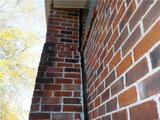
Addressing these issues early helps prevent more extensive structural damage and costly repairs.
What Types of Foundation Cracks Need Repair?
Foundation cracks that are horizontal, diagonal, or stair-step in shape typically require repair, as they often indicate movement or stress in the foundation. These types of cracks are caused by shifting soil, poor drainage, or hydrostatic pressure and tend to widen over time if left unaddressed.
If you see cracks wider than ¼ inch, bowing walls, uneven floors, or misaligned doors and windows, contact a foundation expert immediately. Addressing the issue early prevents significant structural damage and costly repairs.
Horizontal Foundation Cracks
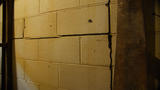
Horizontal cracks are among the most serious signs of foundation damage. They occur when soil pressure exceeds the strength of the basement or crawl space walls, causing the wall to bow inward.
These cracks may result from poor drainage, heavy soil, or frost expansion. Left untreated, they can lead to wall failure or collapse. Professional repair often involves the use of wall anchors, braces, or complete wall reconstruction.
Diagonal Foundation Cracks
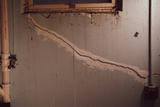
Diagonal cracks run at a 30–70° angle, often wider at one end. They form when part of a home settles more than another, common on sloped lots or in homes built on soft soil.
Epoxy or polyurethane injection can seal the crack, but the underlying cause must be corrected. Piers are often installed to stabilize the footing and prevent future foundation settlement.
Stair-Step Foundation Cracks

Stair-step cracks in brick or block walls along mortar joints usually indicate uneven settlement. Minor cracks can be repointed, but extensive movement requires structural repair, typically using piers or anchors, to prevent further damage.
What Are the Most Effective Foundation Repair Solutions?
The most effective foundation repair solutions address the underlying cause of cracking and restore the home’s stability. Foundation repair experts will inspect your property to identify the issue and recommend the most effective repair method for lasting results.
Common foundation repair solutions include:
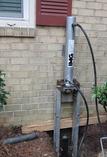
- Push Piers: Driven deep into stable soil to lift and permanently stabilize settling foundations.
- Helical Piers: Installed in weak or shifting soils to reinforce the foundation and restore proper elevation.
- Slab Piers: Used to stabilize and lift concrete slab foundations affected by settlement.
- IntelliBrace™ System: Gradually straightens and stabilizes bowing basement walls.
- Wall Anchors: Reinforce basement walls pushed inward by hydrostatic pressure.
- Crawl Space Jacks (IntelliJack™): Stabilize and level sagging floors caused by weakened supports.
- Carbon Fiber Reinforcements: Strengthen cracked or slightly bowed walls without excavation.
Why You Shouldn’t Just Fill Foundation Cracks
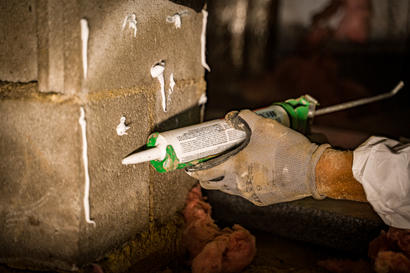
Filling foundation cracks is not a true repair solution because it only conceals the visible damage without addressing the cause. Most cracks form due to foundation settlement or shifting soil beneath the home, and surface patching won’t stop that movement.
The only reliable way to fix foundation cracks is to correct the cause. A professional foundation inspection can determine whether the issue is structural or cosmetic.
Mount Valley Foundation Services provides comprehensive inspections and proven repair solutions, backed by a warranty for long-term peace of mind.
When to Schedule a Foundation Inspection in Greenville, SC

Schedule a foundation inspection if you notice cracks wider than ¼ inch, new cracks, or other signs of settlement, such as uneven floors or sticking doors. A certified foundation specialist can determine whether the issue is cosmetic or structural and recommend the right repair solution before damage worsens.
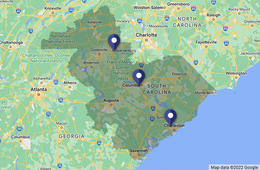
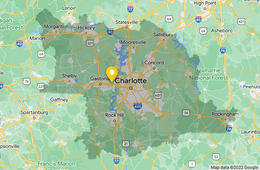
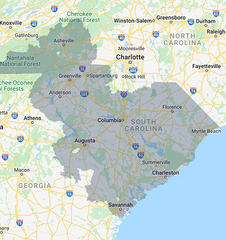
Mount Valley Foundation Services provides free, no-obligation foundation inspections in Greenville, Charleston, Columbia, SC, and our surrounding service areas. Our experienced team identifies the cause of foundation cracks and offers warrantied repair solutions designed to permanently restore your home’s safety, stability, and value.
Foundation Cracks FAQs
Not necessarily, although it’s a common indicator. Cracks could also result from natural settling, poor brick installation, or external factors like a tree root invasion. However, if you notice a pattern or a worsening over time, it’s likely linked to foundation problems. A thorough inspection from Mount Valley Foundation Services can confirm the root cause.
Basement wall cracks can result from a variety of factors. Common causes include soil movement and settling, hydrostatic pressure from saturated soil, freeze-thaw cycles affecting the foundation, flaws in the concrete curing process, and pressure from expanding tree roots. Understanding the specific cause of the cracks in your basement is essential for determining the most effective repair strategy. Mount Valley Foundation Services offers comprehensive inspections to identify the underlying causes of basement wall cracks – contact us today to schedule your appointment!
Yes, even small cracks can allow water to seep through, especially during heavy rains or snow melts, and should be addressed promptly.

Shaye Glisson
Related Resources




Service Areas
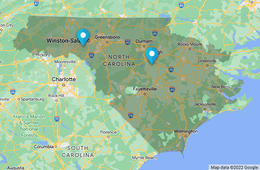
Northern North Carolina ·
Raleigh/Durham · Chapel Hill · Wilmington ·
Winston-Salem/Greensboro
Publish Date:
Last Modified Date:
Our Locations
630 Ellis Street, Suite 2-B
Augusta, GA 30901
1850 Ashley River Rd
Charleston, SC 29407
401 Gamble Dr., Suite B
Columbia, SC 29209
1704 N. Oak Street, Suite 3
Myrtle Beach, SC 29577
6606 Abercorn St., Suite 211
Savannah, GA 31405