
Free Mold Inspection in North Carolina: What Homeowners Need to Know
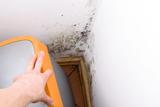
Mold inside your home, basement, or crawl space is always a concern. If you’ve noticed musty odors, dark spots, or unexplained health issues, you may be dealing with mold growth.
This page explains how to get a free mold inspection in North Carolina, what causes mold, and how waterproofing solutions can stop it from returning.
What Causes Mold Growth?
Moisture is the leading cause of mold growth, and North Carolina’s humid climate makes basements and crawl spaces especially vulnerable. Common causes include:
- Foundation Cracks – Water seeps through cracks, permitting moisture and ideal conditions for mold growth.
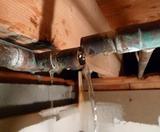
- Plumping Leaks – Water leaks create the moisture that mold needs to thrive.
- Inadequate Insulation – Poor insulation holds moisture and increases condensation.
- Improper Ventilation – Poor airflow traps humidity and moisture, promoting mold growth.
- Clogged Drainage Systems – Inadequate or clogged drainage systems, gutters, and downspouts can cause water accumulation near the foundation, creating conditions for mold growth.
- High Humidity (above 60%): Damp air encourages mold and mildew growth.
- Flooding – Lingering moisture levels can lead to mold growth.
Addressing the moisture source is critical to long-term mold prevention.
What Are the Early Signs of Mold?
Mold isn’t always visible at first, but several warning signs may indicate a problem:
- Musty or earthy odors in basements, bathrooms, or crawl spaces
- Peeling paint, warped wood, or water stains
- Fuzzy, slimy, or discolored patches on walls, ceilings, or floors
If you notice any of these signs, schedule a professional mold inspection. Left untreated, mold can damage your home’s structure and cause respiratory issues.
Can I Test for Mold Myself?
DIY mold testing kits are widely available, but they often produce inaccurate results and may expose you to harmful spores. Professional mold inspectors use tools that safely detect mold, such as:
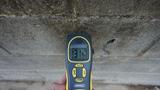
- Moisture meters detect hidden moisture
- Air sampling identifies airborne mold spores
- Surface sampling confirms mold types
Professional mold inspections provide a thorough walk-through of the affected area to determine the severity, mold type, and appropriate remediation method. After removal, preventative measures such as professional basement waterproofing or crawl space encapsulation solutions should be installed to prevent future mold growth.
What Types of Mold Grow Indoors?
Several mold species thrive indoors in humid North Carolina homes, including Penicillium and Aspergillus. These species include:
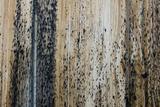
- Alternaria: Common in damp areas; worsens allergy and asthma symptoms
- Stachybotrys: Grows on moist drywall and wood; can cause serious health issues
- Cladosporium: Dark green or black; found on wood, textiles, and HVAC systems
- Penicillium and Aspergillus: Often grow in crawl spaces and basements
Each species poses unique risks, so professional testing is the best way to determine what type is in your home.
Mold Inspection vs. Mold Remediation
Mold inspection and remediation serve different but equally important purposes. During a mold inspection, a certified professional identifies visible and hidden mold, finds the moisture source, and evaluates potential health or structural risks. Mold remediation focuses on safely removing the mold, cleaning affected materials, and applying preventative treatments.
Together, these steps ensure your home remains clean, healthy, and mold-free.
How to Remove Mold from Your Basement or Crawl Space
DIY mold removal poses health and safety risks. Instead:
Mount Valley Foundation Services offers free basement inspections in North Carolina after mold removal and provides customized waterproofing solutions to stop moisture at its source.
Get a Free Inspection in North Carolina

If you suspect mold in your basement or crawl space, contact a remediation expert. Then, call Mount Valley Foundation Services. We install basement waterproofing and crawl space encapsulation methods to help prevent moisture and future mold growth.
Identifying, removing, and preventing mold protects your home and family long-term.
Contact us today for a free inspection and tailored repair plan that fits your needs and budget.
Basement Mold FAQs
For mold, use a mixture of water and bleach. For bug feces, sweep them up carefully and dispose of them securely.
While bleach can remove surface mold, it does not prevent mold from growing back and is not effective against all types of mold. It’s better to use solutions designed for mold removal and address the moisture source.
Mold can grow within 24-48 hours in moist conditions. Wood rot development depends on the wood’s exposure to moisture and fungi, but it generally takes longer to become noticeable.
*Disclaimer: Mount Valley Foundation Services does not offer certified mold identification, inspection, testing, or remediation. This content is for general information only and not a substitute for professional advice. We make no warranties or guarantees regarding mold removal or its outcomes. For mold concerns, consult a licensed mold remediation specialist.

Shaye Glisson
Related Resources

Publish Date:
Last Modified Date:
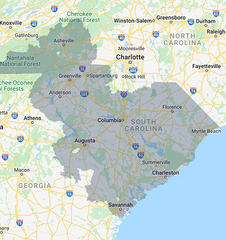
Our Locations
1850 Ashley River Rd
Charleston, SC 29407
401 Gamble Dr., Suite B
Columbia, SC 29209
1704 N. Oak Street, Suite 3
Myrtle Beach, SC 29577
6606 Abercorn St., Suite 211
Savannah, GA 31405