
Mold Growth on Concrete Slabs: What Homeowners Should Know
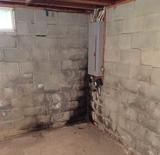
Have you noticed dark spots on your concrete floors or walls? Mold growth on concrete slabs is a common issue for many homeowners, especially in basements, crawl spaces, and garages where moisture lingers.
While concrete may seem durable, its porous surface can trap water and organic particles, creating the perfect conditions for mold to spread. This page explains why mold grows on concrete, how to prevent it, and the moisture control solutions that keep your home dry and healthy year-round.
How Does Mold Growth Happen?
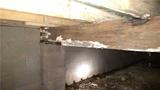
You might not expect concrete to support mold growth, but when dust, dirt, or organic particles collect on its surface, they provide just enough food for mold to spread in humid environments. Warm, damp conditions, especially in basements, crawl spaces, or on concrete slabs, create the perfect environment for mold growth.
What Does Mold Need to Grow?
Mold growth relies on three main factors: moisture, temperature, and organic material.
- Oxygen: Mold requires air to survive. It cannot grow underwater or in sealed containers.
- Temperature: It grows best in temperatures between 40°F and 120°F.
- Humidity: Mold grows when humidity exceeds 50%. Controlling humidity levels with a dehumidifier can help prevent mold spread.
When moisture and humidity combine with organic particles on concrete, mold spores reproduce quickly and attach to surfaces throughout your home.
How Does Mold Grow on Concrete?
Mold grows on concrete when moisture and organic particles collect on its porous surface, creating the conditions mold spores need to thrive.
Concrete itself doesn’t contain enough organic matter to feed mold, but it easily traps moisture, algae, bacteria, dust, and pollen, providing a suitable environment for growth.
As mold spreads, it produces mild acids that gradually weaken and erode concrete surfaces, making them more absorbent. This cycle allows additional moisture to penetrate the slab or wall, accelerating further mold development. Common areas where homeowners find mold on concrete include:
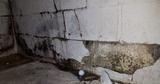
- Basement walls and floors
- Concrete block walls
- Garage floors and driveways
- Concrete slabs beneath carpeting or flooring
How to Remove Mold from Concrete
For remediation in smaller areas, some homeowners opt for DIY mold removal using fungicides, HEPA vacuums, and dehumidifiers. Since mold intrusion can cause health risks, we recommend contacting a professional before attempting these remedies.
Mold remediation experts have the tools and expertise to safely remove mold. After removal, waterproofing experts can address the moisture sources with waterproofing and encapsulation solutions that prevent mold regrowth.
Need Mold Prevention Solutions?

For over 30 years, Mount Valley Foundation Services has helped homeowners across the Carolinas prevent mold growth and protect their homes through professional waterproofing strategies.
If you’ve noticed mold on your concrete slab, foundation, or crawl space, contact our local experts for a free inspection. We’ll identify the moisture source and recommend lasting waterproofing and repair solutions to keep your home dry, clean, and healthy.
Mold FAQs
Mold can grow within 24-48 hours in moist conditions. Wood rot development depends on the wood’s exposure to moisture and fungi, but it generally takes longer to become noticeable.
While bleach can remove surface mold, it does not prevent mold from growing back and is not effective against all types of mold. It’s better to use solutions designed for mold removal and address the moisture source.
Often confused, wood rot primarily affects crawl space wood structures, whereas mold can exacerbate health issues like asthma. We identify and address the specific problem in your crawl space during our free inspections.
*Disclaimer: Mount Valley Foundation Services does not offer certified mold identification, inspection, testing, or remediation. This content is for general information only and is not a substitute for professional advice. We make no warranties or guarantees regarding mold removal or its outcomes. For mold concerns, consult a licensed mold remediation specialist.

Holly Richards-Purpura
Related Resources
Publish Date:
Last Modified Date:
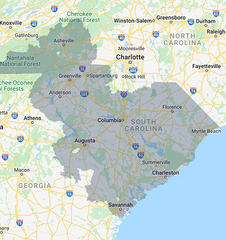
Our Locations
1850 Ashley River Rd
Charleston, SC 29407
401 Gamble Dr., Suite B
Columbia, SC 29209
1704 N. Oak Street, Suite 3
Myrtle Beach, SC 29577
6606 Abercorn St., Suite 211
Savannah, GA 31405