
How to Prepare for a Hurricane
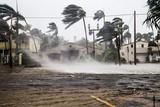
Hurricane preparedness is critical for coastal residents. Each storm season approaches quickly, leaving homeowners vulnerable to catastrophic wind and flood damage.
How can you prepare for hurricane season? By understanding what hurricanes are and following preparedness steps, you can safeguard your home and family.
What is a Hurricane?
A hurricane is a powerful tropical storm that forms over warm ocean waters and produces sustained winds above 74 mph, heavy rainfall, and dangerous storm surges. These storms can cause widespread property damage, flooding, and even loss of life.
The Saffir-Simpson Hurricane Wind Scale classifies hurricanes into five categories, each defined by wind speed and the potential for destruction. Here’s more information:
| Hurricane Category | Sustained Winds | Expected Damage |
| 1 | 74 to 95 mph | Category 1 hurricanes produce dangerous winds that can cause damage to roofs, gutters, and vinyl siding. Trees may become uprooted, and power outages can last for several days. |
| 2 | 96 to 110 mph | Category 2 hurricanes cause extensive damage to frame homes, roofs, and siding. Trees become uprooted, and power loss can last several weeks. |
| 3 | 111 to 129 mph | Category 3 hurricanes devastate well-built, framed homes and uproot trees. Power and water loss can last days to several weeks after the storm. |
| 4 | 130 to 156 mph | Category 4 hurricanes devastate well-built, framed homes and uproot trees. Power and water loss can last days to several weeks after the storm. |
| 5 | 157 mph or higher | Category 5 hurricanes cause catastrophic damage, including severe damage to a high percentage of framed homes, complete roof failure, and wall collapse. Power outages can last several weeks to months, with much of the affected area remaining uninhabitable during that time. |
Understanding the potential for devastation is crucial for proper hurricane preparedness.
How Do You Prepare For a Hurricane?
You can prepare for a hurricane by creating an emergency plan, securing your home, and gathering essential supplies. Taking action before a storm ensures safety for your family and reduces property damage.
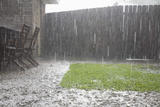
- Family Emergency Plan: Create a written plan that includes emergency contacts, medical details, and designated meeting points.
- Develop an Evacuation Plan: Plan multiple evacuation routes in case of flooding or traffic, and identify local shelters. Make arrangements for pets.
- Build a Disaster Kit: Stock non-perishable food, bottled water, medicine, first aid supplies, flashlights, extra batteries, cash, gasoline, and pet essentials. Ready.gov has a detailed listing of basic disaster supply kits.
- Insurance Check-Up: Review your insurance policy and confirm coverage for storm damage and flooding. Remember: flood insurance has a 30-day waiting period.
- Prepare Your Home: Install storm shutters or secure plywood panels, reinforce garage doors, trim trees, and clear gutters. Waterproof your basement or crawl space and install a battery backup for sump pumps.
- Set Up Weather Alerts: Ensure weather alerts are enabled on your cellphone through NOAA weather radio. FEMA also offers a mobile app for receiving alerts and locating open shelters.
For more on hurricane preparedness, see our article: Hurricane Preparedness Week in South Carolina, or visit NOAA.gov.
How to Prepare a House for a Hurricane
You can prepare an old home for a hurricane by trimming trees, waterproofing the basement, sealing leaks, installing storm windows, cleaning gutters, and reinforcing shingles, bricks, and insulation.
Preparing in advance with basic maintenance and upgrades helps safeguard your property and prevent costly storm damage. Follow these steps to prepare your house for a hurricane:
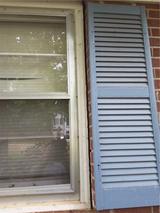
- Trim trees and branches: Trim weak branches and remove unstable trees near your home to prevent roof damage during high winds.
- Waterproof your basement: Install a drainage system, sump pump, and backup battery to reduce flooding risks during hurricanes.
- Upgrade to storm windows: Replace old windows with storm windows to protect against wind and heavy rain.
- Seal leaks around doors and windows: Use caulk or weather stripping to seal leaks and block drafts and water intrusion during storms.
- Clear gutters and drains: Clear gutters and drains to prevent water from pooling around the foundation and causing water damage.
- Check for loose shingles and bricks: Secure loose shingles and bricks to prevent water from seeping in during heavy rain.
- Add draught excluders: Block gaps around doors and windows to keep out wind, moisture, and reduce energy loss.
- Invest in insulation: Add attic, crawl space, and basement insulation to regulate temperature and enhance efficiency in older homes.
Additional Ways to Prepare for a Hurricane
- Stow Outdoor Furniture: Store lawn chairs, rugs, wind chimes, and other outdoor items before a storm. In high winds, these objects can become airborne and damage your home or your neighbors’ property.
- Secure Vehicles: Park vehicles in the garage or a carport and ensure tanks are filled with gas. Ensure you can manually open the garage doors in the event of power loss.
- Cover Windows: Cover windows with hurricane shutters or plywood to protect the interior of your home from broken glass and damage.
- Invest in a Generator: Even a small generator can power essential appliances during an outage. Always operate it outdoors with proper ventilation – never indoors. Test the generator before a storm and keep extra gasoline on hand for refueling.
- Store Backup Fuel: Power outages can last days or even weeks, and fuel may be difficult to find during that time. Store backup fuel in a safe, accessible location for use when needed.
Where to Find Hurricane Safety Resources
Use these trusted resources to prepare for hurricane season and protect your family:
Severe storms can cause lasting damage. Flooding, storm surge, and heavy rain may weaken your home’s foundation, while standing water creates conditions for mold, mildew, and wood rot.
Mount Valley Foundation Services provides solutions that help prevent storm damage and repair homes affected by hurricanes. Our mission is to safeguard, repair, and enhance your most valuable investment: your home.
Who Can Help with Hurricane Foundation Damage?

Mount Valley Foundation Services provides expert foundation repair and waterproofing for homes impacted by hurricanes and severe storms. We offer free inspections and customized solutions to keep your property safe before and after hurricane season.
Contact us today to learn more about protecting your home.
Hurricane FAQs
Yes, conducting a thorough inspection after each storm ensures early detection and repair of any damage.
Hurricanes can lead to foundation damage through flooding, soil erosion, and the intense pressure of wind and water, which can create cracks and instability.
Look for experienced, licensed contractors specializing in foundation repair and storm damage, with good reviews and references.

Shaye Glisson
Related Resources
Publish Date:
Last Modified Date:
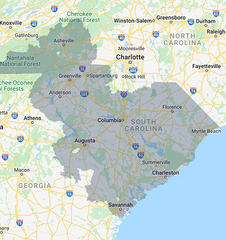
Our Locations
630 Ellis Street, Suite 2-B
Augusta, GA 30901
1850 Ashley River Rd
Charleston, SC 29407
401 Gamble Dr., Suite B
Columbia, SC 29209
1704 N. Oak Street, Suite 3
Myrtle Beach, SC 29577
6606 Abercorn St., Suite 211
Savannah, GA 31405