
Can Wood Mulch Affect the Conditions in Your Basement?

Mulch keeps garden soil moist and healthy, but when placed too close to your home, it can create problems. Excess mulch around your foundation traps moisture, attracts pests, and increases the risk of basement moisture.
This page explains how mulch impacts your basement and the steps you can take to protect your home.
Can Mulch Attract Termites?
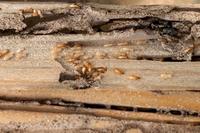
Yes, mulch can attract termites by providing food and moisture. Termites live underground and travel upward in search of wood and cellulose. While mulch itself doesn’t host colonies, it can draw termites closer to your foundation.
If mulch piles touch your siding or foundation walls, termites can easily bridge that gap and enter your home. Keep all mulch at least six inches away from siding, and avoid stacking it more than two to three inches deep.
If you notice signs of termite activity, contact a licensed pest control specialist. Removing mulch alone won’t stop them, but preventive treatments can keep them away.
How Mulch Contributes to Basement Moisture
Organic mulch acts like a sponge, absorbing and holding water near your foundation. Over time, this moisture can seep into porous concrete or existing cracks, leading to:

- Damp or musty basements
- Mold growth
- Wood rot
- Musty odors
- Structural decay
If your mulch bed stays soggy after rainfall, it can also cause soil oversaturation and surface water pooling. To prevent this, maintain proper yard grading and limit how close mulch sits to your home’s perimeter.
Eco-Friendly Ways to Waterproof Your Basement
Comprehensive basement waterproofing involves interior and exterior protection. Combining eco-friendly exterior solutions with professional systems helps ensure a long-term solution. Here are a few things to try:

- Re-grade your lawn Ensure the ground slopes away from your home so water drains away from the foundation.
- Keep space between mulch and siding: Leave at least a six-inch clearance to prevent moisture transfer and siding decay.
- Direct downspouts away: Extend downspouts at least 10–20 feet from your home and clean gutters regularly to keep water flowing freely.
- Observe water flow after storms: Check where water runoff pools and redirect it with landscape barriers or shallow trenches where needed.
- Use decorative stone near the foundation: River rock and gravel help reduce splashback and soil erosion, providing a durable alternative to mulch along the foundation edge.
These steps complement interior waterproofing systems such as the BasementGutter™ interior drainage system, sump pump installation, and professional dehumidification. Local basement waterproofing experts offer free inspections to ensure the best solution for your home.
Final Tips for South Carolina Homeowners
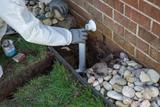
A balanced approach involving proper grading, drainage, and strategic landscaping keeps your basement dry year-round.
Before applying mulch, confirm your basement foundation is properly sealed and your yard has effective drainage systems in place. Maintain at least two to three feet of bare space between mulch and foundation walls.
For professional waterproofing or drainage help, contact Mount Valley Foundation Services for a free inspection and customized solutions.
Mulch FAQs
Yes. Mulch placed too close to the foundation can absorb rainwater, allowing moisture to seep into cracks or porous concrete.
At least six inches should separate mulch from foundations or siding.
Yes. Mulch attracts termites because it provides food (cellulose) and moisture.

Shaye Glisson
Related Resources

Publish Date:
Last Modified Date:
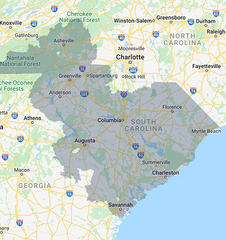
Our Locations
1850 Ashley River Rd
Charleston, SC 29407
401 Gamble Dr., Suite B
Columbia, SC 29209
1704 N. Oak Street, Suite 3
Myrtle Beach, SC 29577
6606 Abercorn St., Suite 211
Savannah, GA 31405