
Ants in the House: Warning Signs
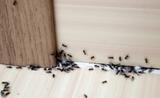
Ants are among the most common household pests in South Carolina, especially during warm, humid months. Whether you see them trailing across your kitchen counter or entering through cracks near your foundation, they’re searching for food, water, and shelter. Even spotless kitchens can attract ants if moisture or crumbs are present.
Here’s how to recognize their entry points, prevent infestations, and protect your home year-round.

Share this Image on Your Site!
Simply copy and paste the code below and you can share this infographic on your site:
What to Know About Ants
Over 700 ant species live in the U.S., but around 25 are commonly found indoors. They thrive in warm, damp conditions—making South Carolina homes especially appealing. Once inside, ants build colonies that can contain up to a million insects.
Where Ants Hide in Your Home
Ants often enter through cracks in foundations, gaps around windows and doors, or moisture-heavy areas like crawl spaces and bathrooms. Warm weather or heavy rain can drive them indoors in search of shelter and water. Ants often hide in:
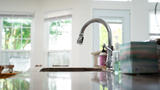
- Kitchens and pantries
- Bathrooms with leaky pipes or standing water
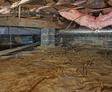
- Crawl spaces
- Basements
- HVAC units
How to Keep Ants Out
Preventing ants from entering your home starts with sealing entry points, such as foundation cracks, and removing the conditions that attract them. A few simple maintenance habits can make a big difference year-round.
- Seal cracks and gaps in walls, foundations, and around windows and doors. Even small openings can allow ants to enter and establish colonies inside your home. Use caulk or weatherstripping to seal these access points.
- Fix leaky pipes and eliminate standing water around sinks, tubs, basements, and crawl spaces. Moisture is one of the main reasons ants invade homes, especially during dry or hot weather when they search for water sources.
- Store food in airtight containers and clean up spills immediately. Ants can detect even trace amounts of food or sugar. Regularly wipe countertops and floors to remove crumbs, and avoid leaving pet food out overnight.
- Keep pet bowls clean and empty trash frequently. Food residue and waste are strong attractants for ants. Wash dishes promptly and clean trash bins to prevent lingering odors.
- Replace mulch with gravel or stone near your foundation, and trim trees and shrubs that touch your home. Mulch retains moisture and provides shelter for pests, while overgrown vegetation creates bridges that ants can use to enter.
- Store firewood at least 20 feet away from your home’s exterior walls. Wood piles attract ants and other insects seeking warmth and shelter.
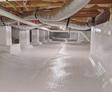
- Seal and insulate your crawl space to reduce moisture and eliminate one of the most common nesting areas for ants. Encapsulation not only helps prevent pest infestations but also improves indoor air quality and protects your foundation.
Contact Mount Valley for a Free Foundation Inspection

If you notice ants inside your home, it may be a sign of foundation damage caused by moisture. Contact Mount Valley Foundation Services for a free inspection and customized waterproofing solutions.
We’ve proudly served homeowners in South Carolina, North Carolina, and Georgia for over 30 years. Let us help you, too!
Crawl Space FAQs
Yes, investing in crawl space moisture remediation is highly beneficial. It safeguards your home’s structural integrity and contributes to a healthier living environment. Ignoring moisture issues can lead to severe consequences like structural damage, mold growth, and pest infestations, which can compromise your home and your family’s well-being. Contact Mount Valley Foundation Systems for a free crawl space inspection and an obligation-free repair estimate.
DIY solutions for crawl space moisture are generally not recommended, as they can be hazardous and offer only short-term relief. Professional services are essential for a comprehensive and enduring solution. Mount Valley Foundation Systems has the expertise, equipment, and safety protocols needed. Reach out to us for more information and to schedule a complimentary inspection.
For mold, use a mixture of water and bleach. For bug feces, sweep them up carefully and dispose of them securely.

Holly Richards-Purpura
Related Resources
Publish Date:
Last Modified Date:
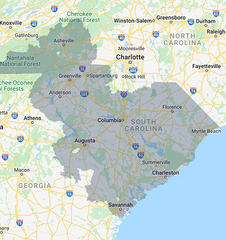
Our Locations
1850 Ashley River Rd
Charleston, SC 29407
401 Gamble Dr., Suite B
Columbia, SC 29209
1704 N. Oak Street, Suite 3
Myrtle Beach, SC 29577
6606 Abercorn St., Suite 211
Savannah, GA 31405