
Should You Invest In A Crawl Space Inspection?
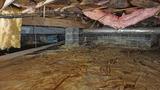
Crawl space inspections help keep your home healthy and safe. This often-overlooked area beneath your house directly affects indoor air quality, energy efficiency, and structural integrity.
This page explains why crawl space inspections are important and when to schedule one to protect your home from moisture, mold, and foundation damage.
How Often Should Your Crawl Space Be Inspected?
Homeowners should schedule a professional crawl space inspection at least once a year, ideally in the spring or fall. Seasonal inspections help identify moisture or structural issues early, before humidity, rainfall, or temperature changes cause damage.
More frequent inspections may be necessary for homes in humid, coastal, or flood-prone areas, where moisture-related problems tend to develop more quickly or are more persistent. Regular checkups ensure your crawl space remains dry, stable, and energy-efficient throughout the year.
When Should You Have Your Crawl Space Inspected?
Beyond annual maintenance, scheduling a crawl space inspection helps identify warning signs of moisture or other foundation problems, such as:
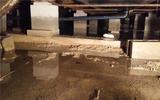
These signs indicate crawl space damage that can weaken foundations, lower energy efficiency, and decrease a home’s value. A timely inspection helps identify and address issues before they worsen.
What Does A Crawl Space Inspection Involve?
A professional crawl space inspection typically focuses on your home’s structural components, the foundation, moisture levels, ventilation, insulation, and visible signs of damage. Most inspections require 30 to 60 minutes, depending on the size and condition of your home.
The process usually follows three main phases:
1. Entry Inspection
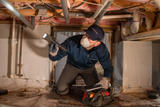
The first process begins with assessing the crawl space entry point. Inspectors ensure that the access opening meets standard safety requirements, which include a minimum access opening of 18 in × 24 in and structural soundness. If the entryway is too small or unstable, a full inspection must be conducted to safely proceed with repairs.
2. Visual and Surface Inspection
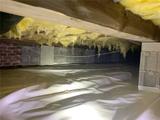
Once inside, the inspector looks for visible signs of damage, including damp insulation, mold growth, overspanned floor joists, drainage problems, or standing water in the crawl space.
If issues are found, homeowners receive a detailed report, customized repair options, and a repair quote. Local crawl space experts outline the best solutions for your home’s unique needs.
3. Full Structural and Moisture Assessment
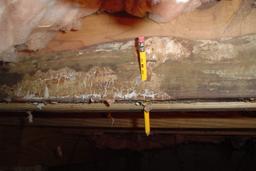
If no immediate surface issues are found, the inspector conducts a more thorough evaluation. This step identifies early warning signs such as wood rot, weak framing, foundation cracks, or poor drainage. The goal is to prevent future damage and recommend the most effective crawl space encapsulation and repair solutions for your home.
What Happens If Your Crawl Space Fails Inspection?
Failing a crawl space inspection simply means that repairs are needed to protect your home’s structure and indoor air quality. After the inspection, the technician will explain the issues found, recommend customized repair options, and may schedule a follow-up visit to ensure the problems are properly resolved. Crawl space encapsulation and repair solutions include:
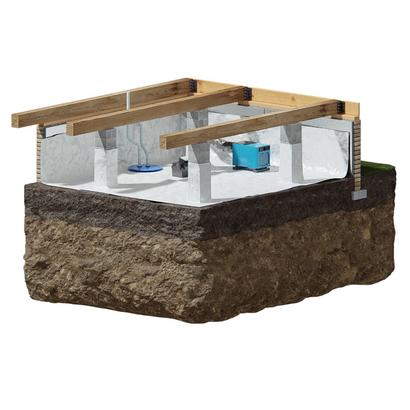
- Crawl Space Drainage: Channels groundwater and rainwater toward the sump pump for removal.
- Sump Pumps: Collect and discharge water away from the home to prevent standing water and flooding.
- Drainage Matting: Improves water flow beneath the vapor barrier in case of flooding.
- Vapor Barriers: Seal the crawl space floor and walls to prevent ground moisture and humidity from entering.
- Flood Vents and Doors: Reduce water pressure during flooding while helping deter pests and improve ventilation.
- Crawl Space Insulation: Regulates temperatures and improves energy efficiency.
- Crawl Space Jacks: Steel supports that stabilize sagging floors and reinforce weakened joists or beams.
Protect Your Home With a Free Crawl Space Inspection

Mount Valley Foundation Services’ crawl space experts have the tools and expertise to identify problems early, make lasting repairs, and prevent future damage.
Schedule a free crawl space inspection today to improve your home’s air quality, energy efficiency, and structural stability.
Crawl Space FAQs
A crawl space should be cleaned and inspected at least once a year, or sooner if you notice moisture, pests, musty odors, or poor indoor air quality.
Costs vary based on damage severity, crawl space size, and required solutions. We provide free inspections and no-obligation estimates with various financing options.
While most insulation types last 15-20 years, they can deteriorate due to moisture. Our ExTremeBloc™ panels are designed as a permanent solution. Contact us for more information and a free inspection.

Shaye Glisson
Related Resources
Publish Date:
Last Modified Date:
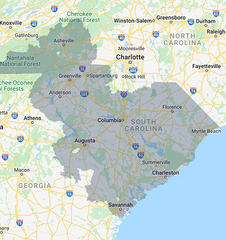
Our Locations
630 Ellis Street, Suite 2-B
Augusta, GA 30901
1850 Ashley River Rd
Charleston, SC 29407
401 Gamble Dr., Suite B
Columbia, SC 29209
1704 N. Oak Street, Suite 3
Myrtle Beach, SC 29577
6606 Abercorn St., Suite 211
Savannah, GA 31405