
16 Spring Home Maintenance Tips for South Carolina Homeowners

Spring isn’t just for indoor deep cleaning; it’s also the ideal time to inspect, repair, and prepare your outdoor property for the warmer months ahead. Seasonal maintenance helps protect your investment, prevent expensive repairs, and keep your home safe and comfortable year-round.
Use the following 16 spring maintenance tips to prepare your South Carolina home for the summer season.
- 16 Maintenance Tips to Protect Your Home
- 1. Check Your Home’s Exterior for Damage
- 2. Inspect Your Home's Foundation
- 3. Assess Trees, Shrubs, and Roots Near the Foundation
- 4. Remove Yard Debris and Refresh Landscaping
- 5. Reseed Bare Spots in Your Lawn
- 6. Trim Trees and Shrubs
- 7. Clean Gutters and Downspouts
- 8. Clear Yard and Storm Drains
- 9. Test and Adjust the Irrigation System
- 10. Inspect Outdoor Plumbing
- 11. Repair Window and Door Screens
- 12. Inspect for Pest Damage
- 13. Power Wash Deck and Siding
- 14. Seal Fences and Decks
- 15. Schedule HVAC System Service
- 16. Plan Summer Home Projects
- Mount Valley Foundation Services Offers Free Inspections
16 Maintenance Tips to Protect Your Home
Use the following tips will help maintain your property year-round:
1. Check Your Home’s Exterior for Damage
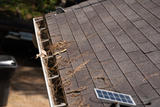
Begin spring maintenance with a comprehensive exterior home inspection. Begin at the rooftop, checking for damaged or missing shingles and debris accumulation. Continue by examining the siding and trim and checking for chimney tilting or structural concerns.
While minor damage might seem insignificant, waiting to address it can prove costly. Addressing issues promptly prevents them from developing into expensive, major repairs later on.
2. Inspect Your Home’s Foundation
Examine your home’s foundation carefully for cracks, bulges, or gaps between the soil and foundation walls where water can collect. Winter’s freeze-thaw cycles can create new cracks or worsen existing ones. When saturated soil freezes, frost heave can exert upward pressure on the foundation, making these problems worse. What starts as minor damage can quickly lead to more serious structural issues if left unaddressed.
3. Assess Trees, Shrubs, and Roots Near the Foundation

Inspect the landscaping around your foundation, as overgrowth and poor drainage can lead to serious damage.
Trim back shrubs, trees, and root systems to keep them a safe distance away from the foundation. Roots can create pressure against foundation walls or interfere with the drainage system.
Also, check that the ground slopes away from your home to prevent water from pooling near the foundation. Proper grading supports your gutters and downspouts by directing runoff safely away from the structure.
4. Remove Yard Debris and Refresh Landscaping
Winter often leaves behind branches, leaves, and dead plants. Clear your yard of debris to prepare for spring growth. Mow and edge the lawn for a clean aesthetic, and refresh garden beds with new mulch and vegetation for enhanced curb appeal and moisture control.
5. Reseed Bare Spots in Your Lawn
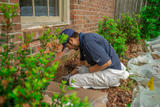
During cleanup, you may notice bare or thinning patches in your lawn. Spring is the ideal time to reseed, allowing new grass to take root before the summer heat and heavy rain. Choose a seed blend that matches your existing grass type and suits the amount of sunlight or shade in each area to ensure healthy, consistent lawn growth.
6. Trim Trees and Shrubs
Overgrown trees and shrubbery can overwhelm landscaping. Spring is the ideal time to trim excess growth and remove damaged branches. Keep vegetation cut back from your home to allow sunlight and airflow, which helps reduce the risk of mold and mildew. Additionally, remove any branches that hang over your home’s roof or fences to prevent potential storm damage.
7. Clean Gutters and Downspouts

Clear leaves and debris from gutters and downspouts to prevent water from overflowing and pooling near your foundation. Check that downspouts direct water at least several feet away from your home. Consider installing gutter guards to reduce future buildup.
8. Clear Yard and Storm Drains
Beyond gutters, inspect yard drains, downspout extensions, and storm drains for clogs. Flush pipes with a garden hose to ensure proper flow and prepare them to handle heavy spring rains.
9. Test and Adjust the Irrigation System
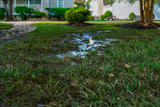
Ensure your lawn and plants receive proper watering. Turn on your system and inspect each sprinkler zone for leaks, broken heads, or uneven water coverage. Make necessary repairs and adjust the water flow or spray direction to ensure efficient, even watering before the summer heat arrives.
10. Inspect Outdoor Plumbing
Outdoor faucets often freeze and crack during the winter, so spring is the ideal time to test them and make any necessary repairs. Include other outdoor systems in your inspection, such as heat pumps, AC units, and pool equipment, since they may also sustain winter damage.
11. Repair Window and Door Screens

Bugs are a nuisance, especially when they enter through tears or holes in window and door screens. Inspect screens and repair those that are damaged. For minor holes, inexpensive repair kits are available at most hardware stores.
12. Inspect for Pest Damage
Check your home for signs of pest activity in the spring. At roof level, look for bird nests or rodent entry points. On the ground, inspect for ants, termites, or burrowing animals near your foundation. Seal cracks, gaps, and holes to prevent future pest entry and damage.
13. Power Wash Deck and Siding

Winter weather can leave dirt, mud, and grime on exterior surfaces. Use a pressure washer at the correct setting to remove buildup. A thorough wash refreshes your home’s exterior, providing a clean start to summer.
14. Seal Fences and Decks
After cleaning and repairs, stain and seal your deck or fence to protect the wood from the effects of heat, humidity, and rain. Reapply every other year to extend the structure’s life and maintain its appearance.
15. Schedule HVAC System Service

Avoid HVAC breakdowns during peak summer heat by scheduling routine service in early spring. A professional tune-up enhances efficiency and reduces the likelihood of future costly breakdowns and repairs. Add a fall appointment to prepare your furnace for winter.
16. Plan Summer Home Projects
Plan summertime home improvement projects, such as adding a gym or office space, or finishing your basement. Be sure to have your basement fully waterproofed beforehand to protect your investment from water damage. Combine your improvement ideas with the maintenance tasks in this checklist, then prioritize and schedule them throughout the summer to stay organized and on track.
With these spring maintenance tasks complete, your home will be better prepared for the months ahead—safer, more efficient, and ready to handle summer weather.
Mount Valley Foundation Services Offers Free Inspections

Mount Valley Foundation Services offers free inspections to identify foundation, basement, or crawl space issues year-round, including those revealed during spring maintenance.
Contact us today to schedule your free inspection.
Foundation Repair FAQs
Homeowner’s insurance policies differ, but most standard policies do not cover foundation repair unless specific, covered events like flooding or earthquakes cause the damage. It’s crucial to check your insurance policy and speak with your agent to understand what is and isn’t covered. Mount Valley Foundation Services can help guide you through the insurance maze and provide documentation you may need for claims.
Look for experienced, licensed contractors specializing in foundation repair and storm damage, with good reviews and references.
The duration of foundation repairs can depend on various factors such as the extent of the damage, the repair methods being used, and the curing time for materials applied during the repairs. After our expert assessment, we will provide you with a time estimate for the repairs to give you a general idea.

Holly Richards-Purpura
Related Resources



Publish Date:
Last Modified Date:
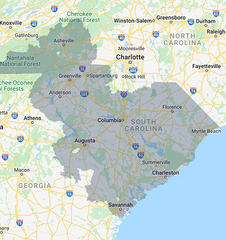
Our Locations
1850 Ashley River Rd
Charleston, SC 29407
401 Gamble Dr., Suite B
Columbia, SC 29209
1704 N. Oak Street, Suite 3
Myrtle Beach, SC 29577
6606 Abercorn St., Suite 211
Savannah, GA 31405