
How Wall Anchors Support Your Foundation
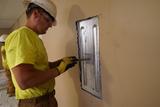
If your basement walls are bowing, cracking, or leaning, you may have a serious structural problem. Wall anchors are a proven foundation repair method that uses the strength of the surrounding soil to stabilize and strengthen your foundation.
This page explains how wall anchors work, what causes bowing walls and foundation damage, the repair process, and why Mount Valley is trusted by homeowners across South Carolina.
What Are Wall Anchors and How Do They Work?
Wall anchors are a foundation wall repair system that stabilize bowing basement walls. They work by transferring pressure from the wall into the hard-packed earth outside your home. Wall anchor systems are made of three main components:
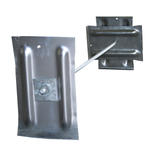
- Wall Plate: Installed on the basement interior wall
- Earth Anchor: Buried on the exterior, deep into the stable soil
- Steel Rod: Connects the wall plate and earth anchor, applying tension to resist soil pressure.
When tightened, this system stops further movement and may gradually return the wall to its original position over time. For decades, wall anchor systems have been widely used and recommended by engineers, home inspectors, FHA, and HUD.
What Causes Basement Walls to Bow?
Bowing basement walls are caused by excessive soil pressure pushing against your foundation. When that pressure is stronger than the wall’s ability to resist it, the wall begins to bow, tilt, or buckle inward.
Several factors contribute to this problem, including:
- Hydrostatic Pressure: Water-saturated soil exerts force on walls, especially after heavy rainfall or due to poor drainage.
- Expansive Soils: Clay-rich soils expand when wet and contract when dry. These cycles create ongoing stress, cracks, and bowing walls.
- Freeze–Thaw Cycles: In colder climates, frozen soil can expand and exert pressure on the foundation. Repeated cycles accelerate wall damage.
- Poor Drainage Systems: Missing or clogged gutters and downspouts allow water to pool near the foundation, saturating the soil and leading to pressure.
- Improper Grading: If the ground slopes toward the home, water collects near the foundation rather than draining away, which compounds pressure.
Signs Your Basement Walls Need Wall Anchors
Cracks are often the first visible warning sign of structural stress. As pressure builds, walls may bow, bulge, or tilt inward. Without professional repair, this stress can lead to severe instability or, in extreme cases, complete wall failure.
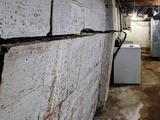
Watch for these warning signs:
8 Benefits of Wall Anchors For Bowing Walls
After a basement wall inspection, foundation repair experts may recommend wall anchors as a reliable solution. Here’s why homeowners choose this repair method:
1. Durability
Reinforced steel and corrosion-resistant anchors ensure long-lasting protection.
2. Permanent Stabilization
Anchors permanently stop inward wall movement, protecting your entire home’s structure.
3. Versatility
Because wall anchors are installed in the soil outside your home, they work in even small basements, stabilizing mild to severe wall movement.
4. Ability to Straighten Walls
Gradual tightening over time often returns bowed walls to their original position.
5. Minimal Disturbance
Installation requires only small access points, not major excavation.
6. Increased Property Value
Repairing structural damage can restore value and buyer confidence.
7. Year-Round Installation
Professional crews install wall anchors year-round, regardless of weather conditions.
8. Long-Term Warranty
Mount Valley Foundation Services backs wall anchor systems with long-term warranties and worry-free maintenance support when needed.
How to Repair Bowing Foundation Walls
Tilting or bowing foundation walls are best repaired with wall anchor systems, which stabilize and gradually straighten the wall over time.
Professionals install wall anchors using five steps.
Step 1: Excavation (if necessary)
In severe cases, limited excavation may be required to access the exterior foundation wall. This is usually only necessary if the damage poses safety risks or if the basement will be finished soon. Most installations do not require excavation.
Step 2: Positioning the Earth Anchor
Galvanized steel earth anchors are installed in strategic locations in the yard. Each anchor resists corrosion and connects to the wall with a steel rod.
Step 3: Preparing the Foundation Wall
A small, 1-inch hole is drilled into the foundation wall to insert the anchor rod. The rod is driven through the soil until it attaches to the earth anchor. This method is minimally invasive compared to alternatives that require removing blocks or large wall sections.
Step 4: Mounting the Wall Plates
Steel wall plates are secured on the interior basement wall where the rod enters. Once attached, the plates and anchors immediately halt further inward movement. Over time, the rods can be tightened to gradually straighten the wall.
Step 5: Straightening and Backfilling
The wall anchors are tightened to shift the wall closer to its original position. If excavation is performed, the area is backfilled, and drainage improvements, such as gravel or drain tile, may be added to reduce future soil pressure.
Wall anchors permanently stabilize tilting basement walls, prevent collapse, and allow controlled straightening without major reconstruction.
Mount Valley: Proven Wall Anchor Solutions in South Carolina

If you’ve noticed bowing walls in your basement, don’t wait for the problem to worsen. Mount Valley Foundation Services has helped South Carolina homeowners for decades with foundation repair solutions.
Our local expertise in Columbia, Charleston, and the surrounding areas means you’ll work with certified crews trained in wall stabilization methods tailored to the region’s soil conditions.
Schedule your free inspection today and learn more about our proven, warranty-backed repair systems.
Wall Anchor FAQs
Mount Valley Foundation Services takes great care to minimize disruption to your landscaping during the installation process. We will highlight any potential issues with landscaping in the initial assessment.
The duration of the installation process depends on the extent of the foundation issues. Our team will provide a detailed timeline during the initial assessment. In most cases, we can complete the job within one day.
Wall anchors are highly effective for shearing, cracks, and bowing in walls. However, for more complex foundation issues, our team will recommend the appropriate solutions during the assessment.

Shaye Glisson
Related Resources
Publish Date:
Last Modified Date:
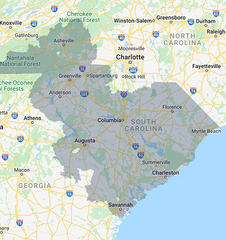
Our Locations
630 Ellis Street, Suite 2-B
Augusta, GA 30901
1850 Ashley River Rd
Charleston, SC 29407
401 Gamble Dr., Suite B
Columbia, SC 29209
1704 N. Oak Street, Suite 3
Myrtle Beach, SC 29577
6606 Abercorn St., Suite 211
Savannah, GA 31405