
Concrete Lifting Guide: What to Know
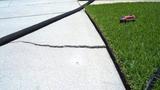
Concrete is widely used for sidewalks, driveways, pool decks, and patios due to its exceptional durability. However, over time, cracks, sinking, and unevenness can form, creating safety hazards and reducing curb appeal. Concrete leveling offers an effective way to restore these surfaces without full slab replacement.
This page explains concrete lifting and leveling, common methods, and why polyurethane foam injection (PolyRenewal™) is the preferred long-term solution.
- What is Concrete Lifting?
- Why Consider Concrete Lifting?
- The 4 Common Methods of Concrete Lifting
- When to Level Your Concrete
- When Not to Level Your Concrete
- How Much Does it Cost to Have Concrete Leveled?
- How to Save Money on Concrete Repairs
- Pros and Cons of Polyurethane Foam Concrete Lifting
- Contact Mount Valley Foundation Services for Concrete Lifting
What is Concrete Lifting?
Concrete lifting, or leveling, is a repair method that addresses uneven or settled concrete surfaces. The technique raises and stabilizes uneven or sunken slabs, often returning them to their original position. The process improves safety, usability, and appearance at a fraction of the cost of full slab replacement. Concrete lifting is also known as:
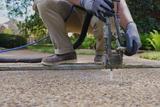
- Polyurethane foam injection (PolyRenewal™)
- Concrete leveling or raising
- Slabjacking
- Cement jacking
- Mudjacking
- Stone slurry grout leveling
Other Names for Concrete Lifting
Depending on the tools and method, concrete lifting may also be called:
- PolyRenewal™ (our method), also known as “Polylifting,” “Polyjacking,” or “Polyurethane Foam Leveling”
- Mudjacking
- Stone Slurry Grout Leveling (or Cement Slurry Leveling)
- Self-Leveling Concrete
Each of these approaches works differently, which we’ll explore in the next section.
Why Consider Concrete Lifting?
Concrete lifting adjusts and stabilizes uneven slabs, improving safety, function, and appearance. While costs vary by slab size, damage, and repair method, replacement is generally far more expensive than repair. Professionals select the most suitable repair method based on soil conditions, damage severity, and long-term performance objectives. A professional inspection will confirm the best option for your property.
The 4 Common Methods of Concrete Lifting
Common concrete lifting and leveling methods include:
1. Polyurethane Foam Injection (PolyRenewal™)
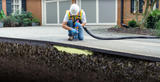
- Lightweight foam is injected through small holes, expanding to fill gaps and lift concrete.
- Quick-curing (within 30 minutes) with minimal disruption.
- Long-lasting, precise, and less invasive than mudjacking.
- Eco-friendly, waterproof, and addresses the root causes of settlement.
2. Mudjacking
The mudjacking process involves pumping a heavy slurry (a mixture of water, soil, sand, and cement) beneath the concrete. The process often comes with major drawbacks:
- Heavy slurry can worsen soil settlement.
- Results vary depending on soil conditions and technician skill.
- Large drill holes and longer cure times are required.
- Repairs are often temporary, leading many homeowners to consider it not worth the investment.
3. Stone Slurry Grout Concrete Leveling
The stone slurry method uses crushed limestone and water, injected beneath slabs through large drill holes (about one inch in diameter). While effective at filling voids, the added weight can compress weak soils, sometimes leading to future settlement and related concrete damage.
4. Self-Leveling Concrete
Self-leveling concrete is a polymer-based mix designed for DIY use on uneven indoor floors. It works well for cosmetic fixes but is not a long-term structural solution for sinking slabs.
When to Level Your Concrete
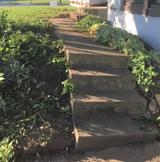
Consider lifting and leveling if you notice:
- Cracked or sinking sidewalks, steps, patio, or driveways
- Basement floor cracks
- Gaps forming between the pool deck and pool edge
- Uneven slabs anywhere on your home’s exterior or interior
Early repair prevents further damage, safety hazards, and expensive slab replacements.
When Not to Level Your Concrete
There are two situations where concrete lifting might not be the appropriate repair method: minimal damage and severe damage.
- Minimal damage: Small hairline cracks that aren’t spreading may only need cosmetic fixes.
- Severe damage: Crumbling, broken, or heavily deteriorated slabs may require full replacement instead of leveling.
Concrete can suffer considerable damage as it ages, resulting in sinking slabs, crumbling, broken pieces, and major cracks. In these instances, considering a full slab replacement may be your best option.
How Much Does it Cost to Have Concrete Leveled?

Concrete lifting/leveling costs are determined by several factors, such as:
- Area size
- Damage severity
- Repair method used
- Material and labor needs
Contact your local concrete expert for a free inspection and no-obligation repair estimate to obtain a price quote tailored for your property.
How to Save Money on Concrete Repairs
- Prevent severe damage with regular inspections.
- Address problems early before they worsen.
- Avoid temporary fixes like mudjacking.
- Skip risky DIY methods.
- Choose durable, permanent options like PolyRenewal™.
- Enroll in annual maintenance programs.
Pros and Cons of Polyurethane Foam Concrete Lifting
PolyRenewal™ serves as our preferred solution for concrete repair. We rely on this system due to its ability to address a broad spectrum of challenges. Polyurethane foam offers two primary benefits: it lifts concrete slabs and stabilizes the underlying soil. The pros and cons of poly include:
Polyurethane Foam Pros
Polyurethane Foam Cons
- Fast curing
- Minimal disruption
- Long-lasting durability
- Lightweight material won’t burden soils
- Eco-friendly and clean application
- May not achieve perfect leveling
- Surface cracks may remain visible
- Soil variability may affect performance
Overall, polyurethane foam injection offers the most durable, efficient, and minimally invasive solution for concrete lifting. While no method is perfect, its long-term stability and quick installation make it the preferred choice over mudjacking or stone slurry.
Contact Mount Valley Foundation Services for Concrete Lifting

Don’t ignore uneven concrete. Mount Valley Foundation Services has served South Carolina and Western North Carolina since 1986, offering reliable solutions backed by decades of expertise.
Our advanced PolyRenewal™ polyurethane foam injection offers a fast, durable, and environmentally friendly solution for lifting and stabilizing concrete.
Schedule a free inspection today to determine if PolyRenewal™ is the right solution for your home.
Concrete Lifting FAQs
The cost of repairing a sidewalk depends on several factors, such as the extent of the damage, the size of the area that needs attention, and the type of repairs required. Mount Valley Foundation Services offers free inspections, no-obligation estimates, transparent pricing, and financing options to meet various budget needs.
Absolutely, selecting an appropriate concrete leveling solution for your needs is beneficial. Instead of spending on temporary fixes that necessitate ongoing applications, professional concrete leveling ensures the safety and durability of your concrete, improving your property’s value and aesthetic appeal. Mount Valley stands as your dependable local concrete lifting authority. Reach out to us for a no-cost inspection and estimate today.
Among the various options for concrete leveling, the PolyRenewal™ polyurethane foam injection method is superior. This technique offers advantages over traditional methods like mudjacking and concrete repouring, as it is less disruptive, has a longer lifespan, cures faster, and is eco-friendly. For a comprehensive concrete evaluation and more information on this advanced repair solution, contact Mount Valley, your local concrete leveling experts, and schedule a free inspection.

Shaye Glisson
Related Resources

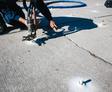

Disclaimer: “Concrete leveling” means the process by which cracked, uneven concrete is stabilized, and in many cases lifted, by means of PolyRenewal™ polyurethane foam. Mount Valley Foundation Services does not guarantee that PolyRenewal™ can make your concrete perfectly level.
Publish Date:
Last Modified Date:
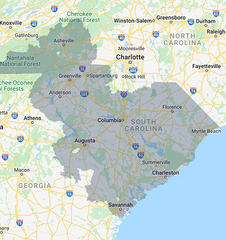
Our Locations
630 Ellis Street, Suite 2-B
Augusta, GA 30901
1850 Ashley River Rd
Charleston, SC 29407
401 Gamble Dr., Suite B
Columbia, SC 29209
1704 N. Oak Street, Suite 3
Myrtle Beach, SC 29577
6606 Abercorn St., Suite 211
Savannah, GA 31405