
Foundation Cracks: When to Worry and What to Do
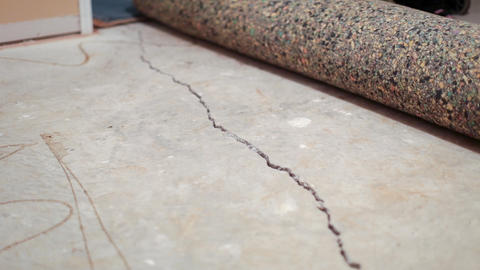
Your home’s foundation is its structural backbone, supporting the entire building and keeping your family safe. In South Carolina, shifting soils and fluctuating weather make foundations vulnerable to cracks. You can prevent further damage and protect your home’s value with timely repairs.
This guide explains the most common types of foundation cracks, when they indicate trouble, and the available repair options.
- Why Does Your Foundation Matter?
- What Types of Foundation Cracks Are Common in South Carolina?
- When Should You Worry About Foundation Cracks?
- What Environmental Factors Cause Foundation Cracks in South Carolina?
- What Happens If You Delay Foundation Crack Repairs?
- How Can Homeowners Protect Their Foundations?
- Contact Mount Valley Foundation Services for a Free Inspection
Why Does Your Foundation Matter?

Your South Carolina foundation matters because it supports the entire structure of your home, keeping it safe, stable, and protected from shifting soils and moisture. When cracks appear, they weaken that stability and can quickly grow into costly structural problems if left untreated.
What Types of Foundation Cracks Are Common in South Carolina?
The most common types of foundation cracks are hairline, horizontal, stair-step, vertical, and brick cracks, each indicating different levels of concern. Common cracks include:
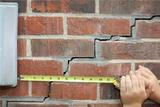
- Hairline Cracks: Very common in new or settling homes. Monitor for changes over time.
- Horizontal Cracks: Often serious, caused by soil pressure. Professional inspection recommended.
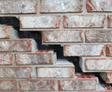
- Stair-step Cracks: Potential structural instability. Professional inspection recommended.
- Vertical Cracks: Less severe but can expand with soil shifts. Monitor and seal if needed.
- Brick Cracks: Minor settling or major structural damage. Have an expert rule out risks.
The severity depends on soil type, age of the foundation, and moisture conditions. Any crack that widens or leaks water should be inspected by a professional.
When Should You Worry About Foundation Cracks?
Foundation cracks can signal structural issues, especially when paired with other problems. Here’s how to tell if they’re cause for concern.
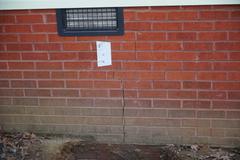
- Cracks Wider than ¼”: Large foundation cracks may indicate significant structural damage.
- Water Seepage: Moisture leads to mold growth, wood rot, and structural weakness.
- Bowing Basement Walls: Hydrostatic pressure can cause inward bowing, risking collapse.
- Sticking Doors and Windows: A common symptom of foundation shifting.
- Uneven Floors: May indicate failing floor joists or settlement.
If these signs appear, schedule an inspection as soon as possible.
What Environmental Factors Cause Foundation Cracks in South Carolina?
Foundation cracks in South Carolina are caused by expansive clay soils, sandy coastal erosion, heavy rainfall, drought cycles, and high groundwater pressure.
Soil Conditions
- Clay soil (Columbia, Greenville): It expands when wet and shrinks when dry, causing foundation movement and cracks.
- Sandy soil (Charleston, Myrtle Beach): More prone to erosion, causing gradual structural weakening.
Climate
- Heavy rainfall & drought cycles: Moisture imbalances cause soil shifts beneath homes.
- High groundwater (Lowcountry areas): Creates hydrostatic pressure that pushes against foundations.
South Carolina’s unique mix of clay, sand, and high humidity makes foundation monitoring a crucial aspect of property maintenance.
What Happens If You Delay Foundation Crack Repairs?
Delaying foundation crack repairs can lead to worsening structural damage, costly water and mold issues, higher utility bills, and a reduced property value.
Structural Damage
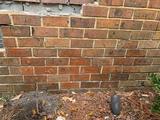
Ignoring foundation problems doesn’t make them disappear; it makes them worse. Stair-step cracks in brick, sloping floors, and sinking foundations can lead to major structural failures. Homes in neighborhoods like Forest Acres (Columbia) and North Main (Greenville) face increased foundation risks due to their locations in the inner coastal plain and Piedmont regions, where soil properties contribute to long-term structural issues.
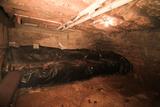
Water Damage and Mold Growth
South Carolina’s high humidity and heavy rainfall create ideal conditions for moisture-related problems. Unchecked foundation cracks and poor drainage can lead to basement leaks, crawl space flooding, mold growth, and wood rot. Flood-prone areas, such as Charleston and Hilton Head, face an even higher risk, making proactive foundation protection essential for a healthy South Carolina home.

High Utility Bills
An unstable foundation doesn’t just threaten your home’s structure; it also drains your wallet. Some older homes in neighborhoods like The Vista in Columbia and Old Village in Mount Pleasant have poorly insulated crawl spaces or damp basements, forcing HVAC systems to work overtime. The result? Higher energy costs and reduced year-round comfort.

Lower Property Value
First impressions matter when selling a house, and foundation cracks can deter potential buyers. Signs of settlement make potential home buyers hesitant to invest, and in competitive markets like Charleston and Greenville, these homes often remain on the market for longer or sell for less.
How Can Homeowners Protect Their Foundations?
South Carolina homeowners can protect their foundations by inspecting for cracks, hiring professionals to pier, waterproof, and encapsulate crawl spaces.
Step 1: Perform a DIY Foundation Inspection
- Walk around your home and look for foundation cracks, sloping floors, or signs of moisture.
- Monitor foundation crack changes year-round, especially after heavy rainfall or drought.
- Check for standing water near the foundation, especially after rainstorms.
- Inspect basement walls for bowing, white mineral deposits (efflorescence), or mold growth.
- Pay attention to indoor air quality. A damp or musty smell may indicate foundation-related moisture problems.
Step 2: Repair Foundation Cracks
Professionals stabilize and protect foundations using various methods. These include:
- Foundation Piers: These help stabilize and, in many cases, lift homes affected by shifting soil. Common options to repair foundation cracks include helical, push, and slab piers.
- Basement Waterproofing: This technique protects your home from water damage by preventing leaks and moisture buildup in the basement. Solutions include interior drainage systems, sump pumps, vapor barriers, and dehumidifiers.
- Crawl Space Encapsulation: Controls excess moisture, preventing structural damage and improving indoor air quality. This process includes crawl space drainage, vapor barriers, and crawl space jacks for added floor support.
Step 3: Call a Foundation Repair Expert
Mount Valley Foundation Services understands the unique challenges of South Carolina’s soil and climate, and how these factors impact home foundations. That’s why we offer tailored repair solutions that restore stability and prevent future damage. Backed by warranties and proven to deliver long-lasting results, our patented systems provide you with the confidence and peace of mind you deserve.
Schedule a free foundation inspection today and let our experts help protect your home.
Contact Mount Valley Foundation Services for a Free Inspection

DIY repairs are temporary. For long-term protection, professional repair is the only solution. Mount Valley Foundation Services provides reliable, long-lasting foundation repairs tailored to your home’s needs.
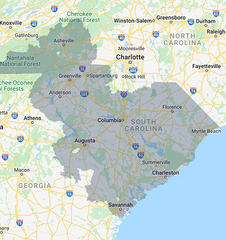
Serving South Carolina, Georgia, and parts of North Carolina with expert foundation repair for over 30 years, schedule your free inspection to see how we can help you, too.
Foundation Cracks FAQs
Not necessarily, although it’s a common indicator. Cracks could also result from natural settling, poor brick installation, or external factors like a tree root invasion. However, if you notice a pattern or a worsening over time, it’s likely linked to foundation problems. A thorough inspection from Mount Valley Foundation Services can confirm the root cause.
Basement wall cracks can result from a variety of factors. Common causes include soil movement and settling, hydrostatic pressure from saturated soil, freeze-thaw cycles affecting the foundation, flaws in the concrete curing process, and pressure from expanding tree roots. Understanding the specific cause of the cracks in your basement is essential for determining the most effective repair strategy. Mount Valley Foundation Services offers comprehensive inspections to identify the underlying causes of basement wall cracks – contact us today to schedule your appointment!
Home insurance policies vary widely, and coverage for drywall cracks depends on the root cause. If the cracks are due to sudden and accidental events like burst pipes, your policy might cover repair costs. However, most home insurance policies do not cover “wear and tear” or “settling,” which are often the underlying causes of drywall cracks. It’s essential to consult your insurance provider for specific information regarding your coverage.
Related Resources


Shaye Glisson
Publish Date:
Last Modified Date:
Our Locations
1850 Ashley River Rd
Charleston, SC 29407
401 Gamble Dr., Suite B
Columbia, SC 29209
1704 N. Oak Street, Suite 3
Myrtle Beach, SC 29577
6606 Abercorn St., Suite 211
Savannah, GA 31405