
Basement Flood Insurance Claims Guide: Step-By-Step

A flooded basement and damaged foundation can cost thousands in repairs, and homeowner’s insurance coverage isn’t always guaranteed.
This page explains what to do after a basement flood, how to file an insurance claim, coverages and exclusions, and the proven solutions that protect your home.
- Safety First: What To Do When Your Basement Floods
- Is Basement Flood Damage Covered by Insurance?
- How to File a Basement Flood Insurance Claim
- What If Insurance Won’t Cover Basement Flood Damage?
- How to Tell If a Foundation Is Damaged
- How to Prevent Basement Flooding and Foundation Damage
- How to Get a Free Foundation Inspection in South Carolina
Safety First: What To Do When Your Basement Floods
In the event of a flood, prioritize protecting your family.
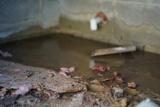
- Turn OFF Electricity: Shut off power at the main breaker (if safe) or call an electrician.
- Monitor for Gas Leaks: Flooding can damage gas lines. If you smell gas, leave immediately and contact your gas provider.
- Avoid Contaminated Water: Sewer backups contaminate floodwater. Do not enter standing water; call a licensed plumber for assistance.
- Check Structural Stability: Water weakens foundations. Avoid the area until an inspector confirms the home is safe.
Is Basement Flood Damage Covered by Insurance?
Homeowner’s insurance typically does not cover basement flooding resulting from storms, heavy rain, or groundwater seepage; however, it may cover sudden water damage caused by burst pipes, appliance leaks, or other accidental events.
Basement Flood Damage Typically Covered by Insurance:
Insurance may cover damage caused by:
- Natural disasters (specific per policy)
- Uncontrollable accidents
- Fire damage
- Explosions
- Extreme weather (tornadoes, hurricanes)
- Pipe, water heater, and appliance leaks
Basement Flood Damage NOT Typically Covered by Insurance:
Policies often exclude damage caused by:
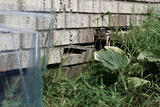
- Poor construction or materials
- Normal settling
- Lack of maintenance
- Pest infestations
- Soil movement or invasive tree roots
- Groundwater flooding or heavy floods
What Does Flood Insurance Cover?
Some insurers offer supplemental flood coverage, so it’s wise to ask your agent whether it’s available for your policy. You can also enroll in FEMA’s National Flood Insurance Program (NFIP).
Many properties are at a notable risk of flooding, with those located in coastal regions at a higher risk. Use the FEMA Flood Map Service Center to view your property’s flood zone and risk level.
Since 2000, FEMA’s National Flood Insurance Program (NFIP) has processed hundreds of thousands of claims nationwide, including over one million dollars in payouts to South Carolina homeowners over the past five years. According to FEMA, just one inch of flood water can cause over $25,000 in damage to your home.
The type of foundation, its age, and location affect coverage. Always review your policy and ask your agent to clarify exclusions or terms you are unsure about.
How to File a Basement Flood Insurance Claim
Filing a flood claim requires thorough documentation and cooperation with your insurer. Follow these six steps to ensure a thorough claim:

FEMA provides guidance on filing insurance claims through its National Flood Insurance Program (NFIP).
What If Insurance Won’t Cover Basement Flood Damage?
If your policy excludes coverage, you still have options:
- Get a professional repair estimate: Mount Valley offers free inspections and no-obligation repair quotes.
- Explore grants: Some local programs provide financial aid for home repairs.
- Review financing options: Flexible payment plans help spread out repair costs. Mount Valley offers flexible financing options.
- Negotiate: If foundation damage stems from a covered event, you may be able to appeal for coverage.
How to Tell If a Foundation Is Damaged
Identifying and addressing foundation issues proactively helps prevent further damage. Common warning signs include:
How to Prevent Basement Flooding and Foundation Damage
Prevention is the best protection against the basement flooding and foundation damage that lead to insurance claims. Here’s how to protect your property:

- Maintain gutters and downspouts.
- Ensure proper yard grading.
- Install a sump pump and backup system.
- Seal foundation cracks.
- Schedule regular foundation inspections.
How to Get a Free Foundation Inspection in South Carolina

If you suspect your home has foundation damage, contact Mount Valley Foundation Services for a free inspection.
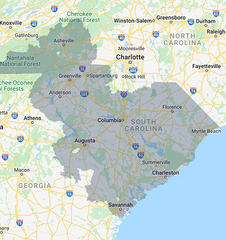
Serving homeowners across North and South Carolina and Georgia, including Charleston, Columbia, and Greenville, we provide proven solutions that protect your home now and in the future.
Basement Waterproofing FAQs
You know your basement needs waterproofing if you notice signs of moisture, such as musty odors, mold, stains, puddles, efflorescence, or wall cracks.
Basement waterproofing costs depend on the extent of the damage, the size of the area, and the type of solutions used.
Basement wall cracks can result from a variety of factors. Common causes include soil movement and settling, hydrostatic pressure from saturated soil, freeze-thaw cycles affecting the foundation, flaws in the concrete curing process, and pressure from expanding tree roots. Understanding the specific cause of the cracks in your basement is essential for determining the most effective repair strategy. Mount Valley Foundation Services offers comprehensive inspections to identify the underlying causes of basement wall cracks – contact us today to schedule your appointment!

Shaye Glisson
Related Resources


Publish Date:
Last Modified Date:
Our Locations
630 Ellis Street, Suite 2-B
Augusta, GA 30901
1850 Ashley River Rd
Charleston, SC 29407
401 Gamble Dr., Suite B
Columbia, SC 29209
1704 N. Oak Street, Suite 3
Myrtle Beach, SC 29577
6606 Abercorn St., Suite 211
Savannah, GA 31405