
Why Basement Wall Sealants Don’t Fix Cracks and Leaks
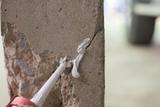
According to the 2023 American Housing Survey (AHS), 7.2 million U.S. homes reported having cracks or holes, and 11.2 million experienced interior water leaks. Basement leaks may be common, but that doesn’t make them any less frustrating. Unfortunately, sealants only mask the symptoms, leaving the underlying issues unchecked.
This page explains why basement wall sealants often fail and explores the proven waterproofing solutions that work.
What Causes Basement Walls to Crack and Leak?
Basement walls crack, leak, and bow inward due to soil settlement, hydrostatic pressure, and clogged drainage systems. Heavy storms, such as hurricanes, further increase water buildup around the foundation. This pressure causes bowing basement walls and cracks, allowing water intrusion, which leads to a damp or flooded basement.
Are Basement Wall Sealants Effective?
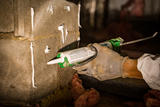
Basement sealants, such as polyurethane or hydraulic cement, may temporarily stop water seepage, but they don’t address the root cause. As a result, cracks and leaks often return. Sealants are applied inside the wall, while the real issues, such as hydrostatic pressure and shifting soil, push against the foundation from the outside.
Rigid sealants do not flex and often crack, peel, or separate to compensate for the natural expansion and contraction of the wall during seasonal moisture and temperature changes. Efflorescence mineral deposits further weaken the bond, leaving gaps through which water can seep. Even flexible sealants wear out over time due to continuous groundwater exposure.
Ultimately, sealants provide a short-term solution. Without addressing the underlying issues, leaks return, and structural problems worsen.
What is the Best Waterproofing Method for Basements?
The best basement waterproofing methods are professional solutions that address the underlying causes of leaks and cracks rather than just sealing the surface. Waterproofing experts inspect basements, identify hidden causes, and recommend reliable, long-term fixes.
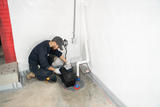
- Interior Drainage Systems: Full perimeter interior drainage systems prevent clogs and relieve hydrostatic pressure.
- Sump Pumps: Advanced basement sump pump systems keep water out and provide overflow alerts to prevent flooding.
- Wall Anchors and Carbon Fiber: Reinforce bowing or cracked walls to resist soil and water pressure.
- Dehumidifiers: Control basement humidity to reduce mold growth, wood rot, and allergens.
These basement waterproofing and repair solutions prevent leaks and stabilize the foundation to prevent recurring damage.
Can You DIY Waterproofing a Basement?
Do-it-yourself basement repairs may seem cost-effective, but cracks often reopen and leaks return, leading to higher costs. Basement waterproofing is a complex process that requires specialized equipment and expertise.
Professionals offer financing and warranties that protect your home in the long term, preventing recurring expenses.
Get a Free Basement Inspection in Columbia, SC
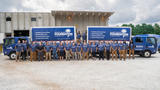
Don’t waste money on short-term fixes like basement sealants. Mount Valley Foundation Services offers free inspections, customized waterproofing solutions, and long-term repair options to keep your basement dry and your home secure.
Contact us today for your free inspection and learn more.
Basement Waterproofing FAQs
Basement waterproofing costs depend on the extent of the damage, the size of the area, and the type of solutions used.
Hydrostatic pressure is the force exerted by water in the soil around your foundation. It can push water through cracks and joints, leading to leaks.
A basement inspection from Mount Valley Foundation Services is free. Contact us today for a thorough evaluation and tailored repair solutions.

Shaye Glisson
Related Resources


Publish Date:
Last Modified Date:
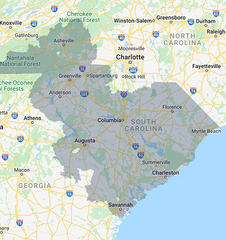
Our Locations
630 Ellis Street, Suite 2-B
Augusta, GA 30901
1850 Ashley River Rd
Charleston, SC 29407
401 Gamble Dr., Suite B
Columbia, SC 29209
1704 N. Oak Street, Suite 3
Myrtle Beach, SC 29577
6606 Abercorn St., Suite 211
Savannah, GA 31405