
How to Protect Your Crawl Space From Cold Weather
South Carolina winters bring more than chilly mornings. They can lead to cold floors, higher energy bills, and poor indoor air quality. Properly sealing and insulating your crawl space helps retain warmth and prevent cold air from entering your living areas.
Understanding how cold air affects crawl spaces will help you take the right steps toward protecting your home this season.
Why Crawl Spaces Get Cold in Winter
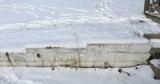
In South Carolina, cool winter air and damp soil create the perfect environment for heat loss and moisture buildup. An unsealed crawl space is constantly exposed to these conditions.
When cold air enters through open vents, cracks, and gaps, it lowers the temperature of your floors and makes your heating system work overtime. Improper insulation, like fiberglass or spray foam, can also trap moisture and lose effectiveness over time.
How the Stack Effect Affects Indoor Comfort
The stack effect describes how air moves through your home, from the crawl space upward. Cold, damp air drawn into the crawl space eventually travels into living spaces. As warm air escapes through the attic or upper floors, it pulls in replacement air from below. This constant movement leads to:

- Cold floors and uneven indoor temperatures
- Higher electric bills as your HVAC system runs longer
- Poor indoor air quality caused by mold spores, dust, and allergens
- Increased humidity and musty odors
The stack effect creates an uncomfortable, inefficient, and unhealthy home if left unaddressed for too long.
How Moisture Worsens Winter Crawl Space Problems
Moisture is one of the biggest threats to a crawl space. In winter, condensation forms when warm indoor air meets cold crawl space surfaces. This leads to:
Moisture also threatens key home components located in your crawl space, such as pipes, HVAC ducts, furnaces, and water heaters. Keeping this area dry and insulated helps protect your home’s structure and your family’s health.
How to Protect Your Crawl Space During Cold Weather
Crawl space encapsulation protects your crawl space from winter temperatures and moisture. Solutions include:
1. Sealing Crawl Space Vents and Doors
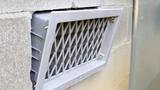
Cold air continually enters through unsealed crawl space vents and open doors. Prevent this airflow by installing airtight vent covers, closing crawl space doors, and applying foam sealant around rim joists and cracks to improve energy efficiency.
2. Installing Crawl Space Insulation
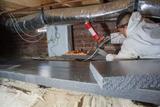
After sealing the vents, remove damaged or wet insulation and replace it with thermal foam insulation panels. These materials perform better than fiberglass and spray foam insulation, preventing both heat loss and condensation.
3. Applying a Vapor Barrier
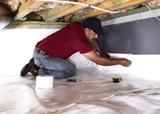
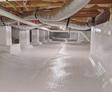
Encapsulation is the most effective long-term solution for preventing crawl space moisture damage. Apply a durable vapor barrier, typically 20-mil thick, to cover the crawl space floor and walls, locking out moisture and outside air. This creates a conditioned space that remains clean, dry, and energy-efficient year-round.
4. Installing a Dehumidifier
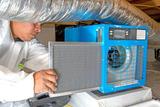
Crawl space dehumidifiers maintain optimal humidity levels in the crawl space and prevent mold, mildew, and odor development.
When combined, these encapsulation solutions keep your crawl space warm, dry, and protected throughout the winter.
Benefits of an Encapsulated Crawl Space
Crawl space encapsulation protects your home year-round, especially during South Carolina’s cold, damp winters. A sealed and insulated crawl space helps you achieve:

- Warmer floors and consistent indoor comfort
- Lower heating and cooling costs
- Cleaner, healthier indoor air
- Longer lifespan for HVAC and plumbing systems
A professionally encapsulated crawl space enhances your home’s comfort and efficiency, adding long-term value and protection.
Schedule a Free Crawl Space Inspection
If you’ve noticed cold floors, musty odors, or rising energy bills, your crawl space may be the cause. Schedule a free crawl space inspection with Mount Valley Foundation Services.
Our team uses industry-leading encapsulation and insulation systems tailored for South Carolina’s humid climate. We’ll help you restore comfort, improve energy efficiency, and protect your home from future damage.
Crawl Space Encapsulation FAQs
A crawl space should be cleaned and inspected at least once a year, or sooner if you notice moisture, pests, musty odors, or poor indoor air quality.
Costs vary based on damage severity, crawl space size, and required solutions. We provide free inspections and no-obligation estimates with various financing options.
The time required varies based on the state of your crawl space and the solutions implemented. Our team strives to minimize disruption, often completing projects within several days. Contact us for a precise estimate and schedule after a free crawl space inspection.

Shaye Glisson
Related Resources
Publish Date:
Last Modified Date:
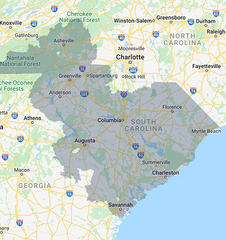
Our Locations
1850 Ashley River Rd
Charleston, SC 29407
401 Gamble Dr., Suite B
Columbia, SC 29209
1704 N. Oak Street, Suite 3
Myrtle Beach, SC 29577
6606 Abercorn St., Suite 211
Savannah, GA 31405