
The Stack Effect: What It Is and How It Impacts Your Home
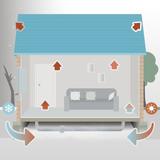
Most homeowners don’t realize that crawl space problems can directly affect the air they breathe. Through a natural process called the stack effect, air from your crawl space rises into your living areas, carrying moisture, mold spores, and musty odors with it. Over time, this can impact your home’s comfort, efficiency, and air quality.
Understanding what causes the stack effect and how to stop it helps protect South Carolina homes from humidity, high energy bills, and poor indoor air quality.
This page explains what you need to know.
What Is the Stack Effect?
The stack effect in homes is the upward movement of warm air through your home that pulls crawl space air, and whatever’s in it, into your living areas. In simple terms, warm air rises and escapes through the upper levels, pulling cooler air in from lower areas such as your crawl space or basement.
Building science experts estimate that up to 50% of your home’s indoor air originates in the crawl space. That means whatever is in that air, such as moisture, mold spores, or pest debris, can circulate through your living space.
How Does the Stack Effect Work?
The stack effect works through a continuous cycle of air movement in your home. As warm air rises and escapes, cooler air from the crawl space is drawn upward to replace it. Here’s the process in more detail:
1. Air Enters the Crawl Space
The process begins when outdoor air enters through open vents, cracks, or unsealed foundation walls. If the crawl space isn’t properly sealed with a vapor barrier or encapsulation system, contaminated and humid air enters and circulates.
Once in, this outside air carries moisture and pollutants, which can worsen humidity levels and affect the structural wood supports under your home.
2. Air Warms and Rises
Next, the air will eventually follow the rules of thermodynamics, which state that warm air always rises. This process occurs in one of two ways. The first scenario is that the outside air will already be warmer than the crawl space when it enters, causing the warmer air to rise immediately.
The second scenario is that the air from outside will be colder than the air within your crawl space. If this is the case, the air will continue to increase in temperature the longer it remains under your home, until it eventually rises into the lower levels of your home.
3. Air Exits Through the Roof or Attic
Finally, warm air escapes through the attic, roof vents, or ceiling gaps, completing the air cycle. This process repeats continuously, especially during warm months when temperature differences are greatest.
Why the Stack Effect Matters
The stack effect in homes doesn’t just move air; it moves contaminants from the crawl space into your home. Over time, this can lead to health, comfort, and efficiency issues.
1. Mold Growth
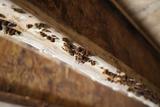
Moist air encourages mold growth and mildew. As mold spores circulate upward, they can spread into walls, closets, and HVAC systems. Prolonged exposure may trigger allergies or respiratory symptoms.
2. Higher Energy Bills
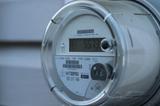
Temperature fluctuations caused by rising warm air make your HVAC system work harder to maintain comfort. Added humidity also stresses air conditioning, leading to increased utility costs, warped flooring, and potential structural foundation damage.
3. Musty Odors
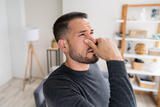
Unpleasant smells can also spread as a result of the stack effect in homes. When warm air rises, particles from pollutants such as animal feces, decaying matter, and mold are drawn up along with it. These pollutants then spread throughout your house and emit unpleasant odors.
How to Stop the Stack Effect
To minimize the stack effect and improve indoor air quality:
- Encapsulate your crawl space with a professional vapor barrier.
- Seal vents and gaps to prevent outside air intrusion.
- Install a dehumidifier to regulate humidity levels.
- Insulate properly to reduce temperature differences between floors.
- Schedule a crawl space inspection to identify and correct air movement pathways.
Protect Your Home With a Free Crawl Space Inspection
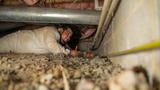
If you’ve noticed musty odors, uneven floors, or rising energy bills, your crawl space could be the cause. Mount Valley Foundation Services specializes in crawl space encapsulation, dehumidification, and structural repairs designed for South Carolina’s humid climate.
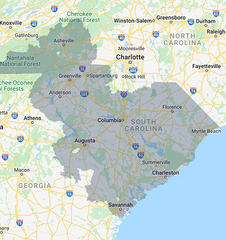
Our certified experts serve homeowners in Charleston, Columbia, Greenville, and Savannah, offering free inspections and personalized repair plans. Backed by decades of experience, Mount Valley Foundation Services is South Carolina’s trusted crawl space repair expert.
Contact us today to schedule your free crawl space inspection and keep your home clean, healthy, and energy efficient.
Stack Effect FAQs
No, the stack effect simply happens in all buildings. However, you can prevent the negative effects that come with it by installing crawl space waterproofing solutions. These include crawl space vent covers, vapor barriers, and dehumidifiers. With these tools, you can feel confident that any air rising in your home is at least temperature-controlled and healthy to breathe.
Mold is a fungus that may cause allergies, disease, and, in the worst-case scenario, dangerous respiratory issues. Since some mold can damage your respiratory system over time, a moldy crawl space is always a health risk. Due to the stack effect, mold can create health concerns or you and your family even if you don’t spend much time in your home’s crawl space.
The crawl space is essential for one simple reason: it houses many of your home’s most vital structures and systems. This includes your HVAC system, electrical wiring, plumbing, insulation, support beams for your floor, and your foundation. All of these can be put at risk due to the negative consequences of the stack effect when the process is left unchecked.

Shaye Glisson
Related Resources
Publish Date:
Last Modified Date:
Our Locations
1850 Ashley River Rd
Charleston, SC 29407
401 Gamble Dr., Suite B
Columbia, SC 29209
1704 N. Oak Street, Suite 3
Myrtle Beach, SC 29577
6606 Abercorn St., Suite 211
Savannah, GA 31405