
What Is Soil Washout?
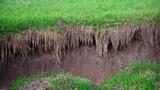
Soil washout occurs when heavy rainfall or surface water erodes and carries away the topsoil around your home. As fast-moving water loosens soil particles, they’re displaced and transported downhill, weakening the ground that supports your foundation.
Over time, soil erosion and washout can cause uneven settlement, cracks, and structural instability in concrete slabs and foundations.
This page explains what homeowners should know to protect and repair concrete.
What Causes Soil Washout?
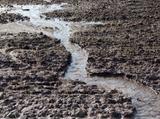
Soil washout happens when flowing water erodes and carries away the topsoil. This form of rapid erosion often occurs on sloped or uneven terrain, especially in higher-elevation areas of the Carolinas.
On residential properties, even small daily activities, such as walking across the yard or watering plants, can cause minor soil movement, known as splash erosion. In humid regions like South Carolina, Western North Carolina, and Georgia, frequent rainfall and varied soil types intensify this process, often washing soil from beneath concrete slabs and foundations.
Because most lawns and yards naturally slope or shift over time, even moderate rainfall can lead to erosion around your foundation. Storms, drainage issues, and landscape changes further worsen washout by redirecting surface water.
What Are the Risks of Soil Washout?
Soil washout weakens the ground beneath your home, leading to foundation settlement, cracking concrete, and uneven surfaces. When soil erodes and washes away, it removes the stable support your foundation and slabs rely on. Over time, this can cause structural instability and drainage problems across your property.
These risks are influenced by several factors, including your property’s terrain, rainfall levels, and drainage conditions.
Your Property’s Terrain
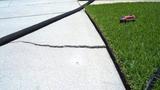
The Appalachian Mountains and surrounding foothills make the soil and terrain across North and South Carolina more sensitive to erosion than in flatter regions. Homes built on slopes or uneven ground experience natural runoff during rain, which gradually washes away topsoil. Over time, this movement destabilizes the ground beneath your concrete and foundation, increasing the risk of cracking and settlement.
Excess Precipitation
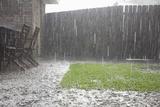
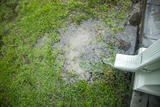
Frequent rainfall, storms, and rapid snowmelt can all contribute to soil washout. When heavy precipitation saturates the ground, water carries fine soil particles away from beneath concrete slabs and foundations. Even small, repeated washouts can create voids that worsen with ongoing rain or flooding, eventually leading to uneven or sinking concrete.
Inadequate Drainage
Poor grading and inadequate drainage systems, such as missing or misdirected gutters and downspouts, allow water to pool near your foundation. This standing water increases hydrostatic pressure and accelerates erosion around concrete structures. Ensuring proper yard grading and directing runoff away from your home are essential steps in preventing soil washout and foundation damage.
How to Fix Soil Erosion Under Concrete
Fixing soil erosion beneath concrete begins with identifying and correcting the source of the problem, typically poor drainage or uncontrolled water flow. Inspect your property’s grading, gutters, and downspouts to ensure water is directed away from your home’s foundation and concrete surfaces.
After addressing drainage issues, fill voids and stabilize the underlying soil with polyurethane foam injection (PolyRenewal™). This process involves injecting a high-density, eco-friendly foam beneath the affected slab to lift the sunken concrete back into place. Polyurethane cures quickly, provides long-term support, and prevents future washout. This solution allows for same-day use of the treated areas.
Contact Mount Valley For a Free Concrete Inspection
Are there cracks or uneven concrete surfaces on your property? Mount Valley Foundation Services can help.
Our local experts repair concrete and stabilize foundations affected by Carolina soil conditions. Schedule your free inspection today to identify the cause and prevent further damage to your property.
Soil Erosion FAQs
Soil erosion under concrete creates voids, leading to slab shifts, cracks, and sinking, which cause tripping hazards and long-term foundation instability.
Soil erosion under concrete slabs is best repaired using polyurethane foam injection. This method fills voids and lifts the concrete, creating a level surface.
Yes, soil erosion can cause foundation damage by removing the stable base your home relies on for support. Addressing soil washout and the early warning signs of damage can prevent problems from becoming worse.

Shaye Glisson
Related Resources

Disclaimer: “Concrete leveling” means the process by which cracked, uneven concrete is stabilized, and in many cases lifted, by means of PolyRenewal™ polyurethane foam. Mount Valley Foundation Services does not guarantee that PolyRenewal™ can make your concrete perfectly level.
Publish Date:
Last Modified Date:
Our Locations
1850 Ashley River Rd
Charleston, SC 29407
401 Gamble Dr., Suite B
Columbia, SC 29209
1704 N. Oak Street, Suite 3
Myrtle Beach, SC 29577
6606 Abercorn St., Suite 211
Savannah, GA 31405