
How to Inspect and Maintain Basement Drainage Systems
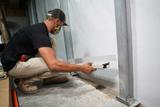
A properly functioning basement drainage system prevents flooding and costly water damage. Whether your home relies on an interior drainage system or a French drain, regular inspection and maintenance ensure long-term waterproofing protection.
This guide explains how these systems work, how to check for problems, and when to call a professional.
What Is a Basement Drainage System?
A basement drainage system collects and redirects water away from your foundation before it can seep indoors and cause damage. These systems typically include:
- Interior Drainage Systems: Installed along the basement perimeter to channel water into a sump pump for removal.
- French Drains: Gravel-lined trenches containing perforated pipes that redirect groundwater away from the home.
Both systems protect basements from water intrusion, mold growth, and other moisture-related damage.
How Do You Check an Interior Drainage System?
You can check your interior drainage system by testing the sump pump and inspecting the drainage lines for clogs or damage. Follow these steps to ensure your system is functioning properly:
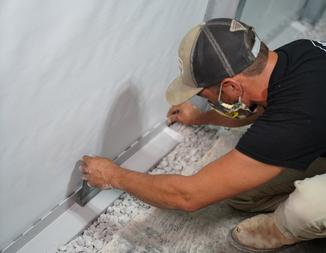
- Test the sump pump: Pour water into the pit until the pump activates, and confirm it drains efficiently.
- Inspect pipes and drains: Check for blockages, cracks, or sediment buildup.
- Check exterior grading: Make sure the soil slopes away from your home to direct water runoff.
- Clean window wells: Remove debris and confirm they drain properly.
- Clear gutters and downspouts: Clogged gutters and downspouts can cause overflow and basement water pooling.
- Monitor basement humidity: High basement humidity may indicate leaks or poor drainage.
Homeowners can perform basic checks, but a waterproofing professional can detect hidden issues and confirm system efficiency.
What Are the Signs of Interior Drainage Problems?
The most common signs of a basement drainage system failure include standing water, damp walls, and musty odors. Other red flags include:
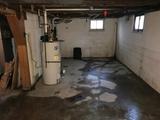
- Water Seepage: Moisture or puddles after heavy rain
- Concrete Water Stains: Do you see water stains on your basement floors and walls? This is another problematic sign.
- Mold and Mildew: Indicates excess moisture and poor air circulation
- Pooling Water: Standing water on basement floors suggests blocked drainage
- Foundation Cracks: Structural shifts can compromise drainage performance
- Efflorescence: White mineral buildup on basement walls or floors
- Sagging Floors: Water damage beneath slabs can cause movement and misalignment
If you notice any of these signs, schedule a professional inspection as soon as possible to prevent structural damage.
Who Installs a French Drain?
Basement waterproofing experts are typically the best choice for French drain installation, as they understand the proper grading, materials, and system design needed to prevent future foundation problems.
Improper installation can cause backups or foundation damage, so hiring a licensed, insured professional is best.
How Do You Choose the Best Waterproofing Contractor?
The best waterproofing professional for installing or repairing your interior drainage system or French drain is one with proven expertise, proper credentials, and transparent service. Here’s what to look for:

- Experience: Look for professionals specializing in South Carolina basement waterproofing and drainage systems.
- Licensing and insurance: Verify state licenses and liability coverage.
- References and reviews: Check customer reviews and BBB ratings.
- Transparent estimates: Get detailed written quotes outlining materials and labor.
- Warranty coverage: Ask about system warranties and financing options.
- Professionalism: Reliable communication and responsiveness are key indicators of quality service.
Reputable companies explain your options, costs, and long-term waterproofing plan clearly before the work begins.
What’s the Best Basement Waterproofing Solution?
Professionally installed interior drainage systems provide the most reliable long-term protection.
Mount Valley Foundation Services installs the BasementGutter™ perimeter drainage system, engineered to collect water at the foundation footing and direct it to a sump pump for safe discharge.
With over 30 years of experience serving South Carolina, North Carolina, and Georgia, our team ensures your home remains dry and structurally sound.
Schedule your free inspection today!
Basement Waterproofing FAQs
You know your basement needs waterproofing if you notice signs of moisture, such as musty odors, mold, stains, puddles, efflorescence, or wall cracks.
Basement waterproofing costs depend on the extent of the damage, the size of the area, and the type of solutions used.
While it may not be possible to completely prevent basement floor cracks from occurring, there are steps you can take to minimize the risk. One of the most important preventive measures is to ensure proper drainage around your home. This includes maintaining gutters and downspouts to direct water away from the foundation, as well as ensuring the grading around the house slopes away from the foundation. This helps to prevent excess water from seeping into the soil and causing the foundation to shift or settle.

Shaye Glisson
Related Resources


- 5/
- 5/
- 5/
- 5/
- 5/

Lucas, Avery and Tim did a great job
Lucas, Avery and Tim did a great job
- 5/
- 5/
- 5/
- 5/
- 5/
Excellent, knowledgeable, reliable, dedicated, honest, trustworthy service and proficiency in managing foundation repair, restructuring,…
Excellent, knowledgeable, reliable, dedicated, honest, trustworthy service and proficiency in managing foundation repair, restructuring, reinforcing, and stabilization! Friendly, courteous, and respectful service that will also span years of followup care, hereinafter. These are very qualified individuals, and they were good at their tasks and responsible to manage the care of my home! I would recommend them to anyone!!! Let me also spotlight Jalen, Garrett, and Hunter, the three men that accomplished all of the above-mentioned labor and results! They were terrific people to deal with, too, and I think I may have made some long-term friends in the process as we interacted well together!!! Let me likewise highlight the initial phase of getting the financing approved and writing the contract and getting the engineering in progress and orchestrating the whole project, all that was done by Carlton, who was tremendous in working all of this out! I am blessed to have had his assistance to manage this needful repair!!!
- 5/
- 5/
- 5/
- 5/
- 5/
Daniel was awesome! Super informative and not pushy or aggressive with his sales. Gave us a good thorough inspection and quote.
Daniel was awesome! Super informative and not pushy or aggressive with his sales. Gave us a good thorough inspection and quote.
- 5/
- 5/
- 5/
- 5/
- 5/
Will and Ober did a great job working to repair my foundation. Will did a thorough walk thru before and after the work. He made sure I…
Will and Ober did a great job working to repair my foundation. Will did a thorough walk thru before and after the work. He made sure I was ok with a minor change and gave a couple options to address a bigger issue.
- 5/
- 5/
- 5/
- 5/
- 5/
We can’t recommend Jeff from Mount Valley Foundation Services enough. He is extremely knowledgeable, kind, trustworthy and took his time…
We can’t recommend Jeff from Mount Valley Foundation Services enough. He is extremely knowledgeable, kind, trustworthy and took his time explaining everything to us.
Publish Date:
Last Modified Date:
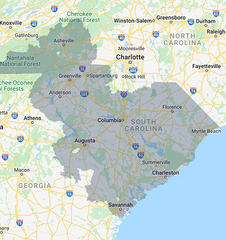
Our Locations
1850 Ashley River Rd
Charleston, SC 29407
401 Gamble Dr., Suite B
Columbia, SC 29209
1704 N. Oak Street, Suite 3
Myrtle Beach, SC 29577
6606 Abercorn St., Suite 211
Savannah, GA 31405