
Should You Install an Interior Drain or a Sump Pump?
Protecting your home from water damage is critical, especially in South Carolina, where heavy rainfall, high groundwater, and clay soils can lead to persistent basement leaks.
Two of the most effective waterproofing options are interior drains and sump pumps. While they often work together, each system serves a different purpose in protecting your foundation.
This guide explains how each works, its benefits, limitations, and when it makes sense to install both for complete basement waterproofing coverage.
What is a Sump Pump?
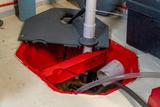
A sump pump is a common waterproofing device installed in the lowest part of your basement or crawl space. It collects and removes groundwater before it floods your basement. There are many benefits of sump pumps, including:
Benefits of a Sump Pump
- Protects Against Flooding: Actively removes excess water during heavy rain or plumbing leaks.
- Prevents Mold and Mildew: Keeps the basement dry, reduces moisture, and reduces mold risks.
- Preserves Home Value: Protects homes in flood-prone areas such as Charleston and Greenville.
- May Reduce Insurance Costs: Some insurers offer discounts for proactive waterproofing systems.
Limitations of Sump Pumps
Sump pumps rely on electricity, so they can fail during power outages, a common issue during South Carolina storms. Installing a battery backup prevents this risk. Also, while sump pumps manage standing water, they don’t stop seepage through basement walls or floors. For that, an interior drainage system and vapor barriers are essential.
What is an Interior Drain?
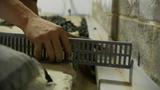
An interior drain system is designed to collect and redirect water that enters your basement through foundation walls or floors. It channels water toward your sump pump for removal, preventing it from pooling or spreading through your basement.

Benefits of Interior Drains
- Comprehensive Protection: Collects water from around the perimeter of your basement.
- Reduces Humidity and Mold: Keeps your basement dry, improves indoor air quality.
- Discreet Installation: Installed along the basement perimeter and less visible than exterior systems.
Limitations of Interior Drains
Interior drains effectively capture water but must connect to a sump pump to remove it completely. Without that connection, moisture could build up under your floor, worsening water problems.
Should You Use A Sump Pump and An Interior Drain?
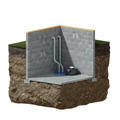
Yes, using a sump pump and an interior drainage system provides maximum protection against water. The interior drain captures and channels water, while the sump pump removes it from your home.
Using both provides comprehensive coverage against South Carolina’s frequent rainfall, high humidity, and rising groundwater.
Why Comprehensive Waterproofing Matters
Combining interior drains and basement sump pumps helps:
- Prevent long-term foundation damage from hydrostatic pressure.
- Protect finished basements from recurring damage from leaks and mold.
- Preserve home value by maintaining a stable, dry structure.
Get Expert Basement Waterproofing in South Carolina
Whether you’re comparing systems or seeking a comprehensive waterproofing plan, Mount Valley Foundation Services can help. Our local experts provide free inspections and customized waterproofing solutions designed for South Carolina’s unique soil and climate conditions.
Contact us today for a free inspection and repair quote in Charleston, Columbia, Greenville, and nearby areas.
Basement Waterproofing FAQs
Most basement drains need a sump pump to remove collected water and discharge it safely away from the foundation.
We strongly advise against self-installation of the AquaStop™ Sump Pump system. Incorrect installation could lead to inefficiencies and potential damage. Our skilled professionals at Mount Valley Foundation Systems are well-equipped to ensure proper installation, thereby guaranteeing the effectiveness and reliability of your waterproofing system.
You know your basement needs waterproofing if you notice signs of moisture, such as musty odors, mold, stains, puddles, efflorescence, or wall cracks.

Holly Richards-Purpura
Related Resources


Publish Date:
Last Modified Date:
Our Locations
630 Ellis Street, Suite 2-B
Augusta, GA 30901
1850 Ashley River Rd
Charleston, SC 29407
401 Gamble Dr., Suite B
Columbia, SC 29209
1704 N. Oak Street, Suite 3
Myrtle Beach, SC 29577
6606 Abercorn St., Suite 211
Savannah, GA 31405