
Well Water Safety After Flooding in South Carolina
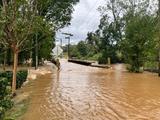
If you own a private well, flooding can be one of the most stressful challenges you face. Even after floodwaters recede, your water supply may still be at risk.
This page explains how flooding impacts private well systems, what steps to take after a flood, and how to keep your drinking water safe.
How Does Flooding Contaminate Your Well?
Flooding contaminates private wells when rising groundwater allows bacteria, chemicals, and other pollutants to enter the well system. Even if floodwater never reaches the surface or visibly covers the wellhead, it can seep underground and mix with your water supply. As a result, the water coming from your faucet may contain the same harmful substances carried by floodwater.
What Type of Contaminants Are in Floodwaters?
During a flood, water picks up contaminants from everything it comes into contact with. Depending on your location, floodwaters may contain:
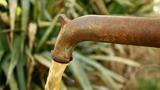
Contact with floodwater can cause skin rashes, vomiting, gastrointestinal illnesses, and infections. The CDC recommends thoroughly washing with soap and water after floodwater exposure.
Has Flooding Affected South Carolina’s Well Water?
Yes, flooding has affected private wells across South Carolina by introducing harmful bacteria and contaminants into groundwater supplies. The South Carolina Department of Environmental Services (SCDES) advises homeowners to test and disinfect their wells after flooding and provides official guidance on safe well recovery.
Government-supported research shows that flooded private wells are highly susceptible to microbial contamination. In a national analysis of flood-impacted wells, about 40% tested positive for coliforms, and over 5% tested positive for E. coli. All wells exposed to floodwaters should be tested, disinfected, and retested to confirm water quality before use.
What to Do After a Flood
Flood recovery involves protecting your family, home, and drinking water. If your well was impacted, follow these steps:
1. Flush and Inspect Your Well
- If the water is cloudy or discolored, run an outdoor faucet until it runs clear.
- Do not use the water for drinking, cooking, or toothbrushing until formal testing confirms safety.
2. Disinfect the Well
- Add bleach to the well casing only if recommended by your well manufacturer or qualified professional.
- Wait 6–24 hours before turning faucets back on after disinfection.
3. Test the Water
- Test for bacteria about 7–10 days after disinfecting.
- Continue drinking bottled water until testing confirms the well is contaminant-free.
4. Protect Your Septic System
- Avoid using septic systems immediately after a flood.
- Wait for the soil to dry and consult a plumber or inspector before resuming use.
5. Contact Authorities for Testing Assistance
For well water testing resources or questions about contamination, contact the EPA Safe Drinking Water Hotline or visit their guide on how to protect your water.
8 Ways to Protect Your Well Water After a Flood
Private well owners are responsible for maintaining their own water safety. These eight steps help safeguard your well water and protect your home in the long term.
Protect Your Home with a Free Foundation Inspection

Flooding can affect more than your well water. It can also weaken your home’s foundation. Mount Valley Foundation Services offers professional foundation inspections and waterproofing solutions to help South Carolina homeowners prevent and recover from flood-related foundation damage.
Schedule a free inspection to ensure your home and water systems are safe, stable, and dry.
Flood FAQs
Signs of flood damage to a foundation include cracks in walls or floors, sticking doors and windows, uneven or sloping floors, pooling water near the foundation, and gaps between walls and ceilings.
There are a few things you can do to help prevent a plumbing thing from occurring. Making sure only safe items are flushed in your toilets and scheduling regular checkups with a professional plumber to check your lines will cut down your chances of dealing with water damage. Be aware of what is going in your drains in your kitchen sink or tubs, and never put obstructive items in your garbage disposal. How do I recover after a plumbing flood?
If you are experiencing a plumbing flood, it’s essential to act as soon as possible. The quicker you resolve the issue and remove the water from your home, the greater your chances are of salvaging your flooring, furniture, and personal belongings.
The first thing you should do as soon as you notice flooding is locate the source of the problem. You must identify the root cause of the flooding, and come up with a viable solution. For example, if water is leaking from pipes that are around your appliances, there’s a good chance that the main issues lie there as well. If the water is backing into your home from a blocked sewer line, the source will be in your drains or toilets.
New homes and buildings constructed in Charleston’s 100-year floodplain must utilize elevated foundation systems, such as crawl space or pier-and-beam construction. These alternatives offer improved flood protection and align with the city’s climate resilience objectives.

Shaye Glisson
Related Resources

Publish Date:
Last Modified Date:
Our Locations
630 Ellis Street, Suite 2-B
Augusta, GA 30901
1850 Ashley River Rd
Charleston, SC 29407
401 Gamble Dr., Suite B
Columbia, SC 29209
1704 N. Oak Street, Suite 3
Myrtle Beach, SC 29577
6606 Abercorn St., Suite 211
Savannah, GA 31405