
Basement Mold Removal: How to Remove and Prevent It
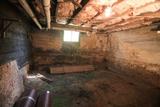
Basement mold can be removed using detergent, water, and protective gear for small areas; however, long-lasting prevention requires addressing leaks, reducing humidity, and waterproofing the basement. Mold problems that extend beyond the surface often indicate underlying water intrusion or structural issues that DIY methods cannot address.
Professional solutions ensure safe removal and lasting protection against future growth.
This guide explains how to identify, remove, and prevent basement mold.
What Causes Mold in a Basement?
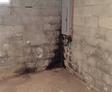
Basement mold is caused by moisture seepage through leaks, high humidity, flooding, or condensation. Mold spores thrive in damp, dark environments, particularly where organic materials, such as wood and drywall, are present.
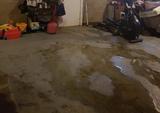
Common causes of basement mold include:
- Foundation or plumbing leaks
- Leaky basement windows
- High indoor humidity (over 60%)
- Flooding or standing water
- Condensation on walls, windows, pipes, or floors
What Are the Signs of Basement Mold?
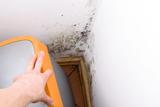
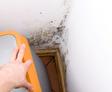
Basement mold may be present if you notice musty odors, high humidity, or structural damage. Mold often grows behind walls, under floors, in attics, and in HVAC systems, before it ever becomes visible. Warning signs of potential mold growth include:
- Musty or unpleasant odors
- Black, green, or dark stains on surfaces
- Recurring mildew in damp areas
- Warped floors due to persistent moisture
- Peeling, damp wallpaper
- Efflorescence
- Increased basement humidity
- Increased allergy or asthma symptoms
How Do You Safely Remove Mold?
Small mold patches can be wiped away using protective gear, detergent, and water, but larger infestations require professional removal. Always use caution when dealing with mold.
How Can You Prevent Mold from Returning?
The most effective way to prevent mold is to control moisture at its source through proper waterproofing measures, humidity control, and adequate ventilation.
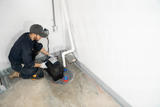
Prevention Tips:
- Maintain indoor humidity at a level below 60% (ideally 30–50%).
- Use a dehumidifier in damp basements.
- Repair cracks, leaks, and drainage issues.
- Install sump pumps, vapor barriers, or interior drainage systems.
- Improve airflow with HVAC upgrades and window sealing.
When Should You Call a Professional?
Call a professional if mold covers more than 10 square feet, recurs after cleaning, or is found in HVAC systems, structural beams, and components. Mold specialists safely remediate large infestations. After mold removal, basement waterproofing experts can:
- Perform a thorough inspection of areas susceptible to moisture intrusion.
- Recommend and implement long-term, proven solutions.
- Provide warranties for repairs and waterproofing systems.
Contact Mount Valley for a Free Basement Inspection

Basements in South Carolina are particularly prone to mold due to the region’s high humidity and frequent rainfall. In areas such as Charlotte, Columbia, and Greenville, homeowners often rely on professional waterproofing solutions to keep their basements dry throughout the year.
Schedule a free basement inspection today with Mount Valley Foundation Services. Our certified inspectors provide a thorough assessment, identify the root cause of moisture, and deliver proven solutions that provide peace of mind.
Mold Growth FAQs
While bleach can remove surface mold, it does not prevent mold from growing back and is not effective against all types of mold. It’s better to use solutions designed for mold removal and address the moisture source.
Mold can grow within 24-48 hours in moist conditions. Wood rot development depends on the wood’s exposure to moisture and fungi, but it generally takes longer to become noticeable.
While DIY methods like bleach scrubbing are appealing, they won’t fully eradicate mold or tackle its root cause. Entering your crawl space alone can be risky. Rely on professional mold removal, and then count on Mount Valley Foundation Services for crawl space moisture solutions.
*Disclaimer: Mount Valley Foundation Services does not offer certified mold identification, inspection, testing, or remediation. This content is for general information only and is not a substitute for professional advice. We make no warranties or guarantees regarding mold removal or its outcomes. For mold concerns, consult a licensed mold remediation specialist.

Shaye Glisson
Related Resources
Publish Date:
Last Modified Date:
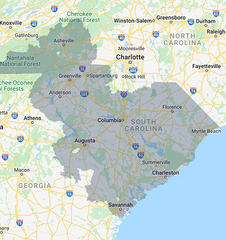
Our Locations
630 Ellis Street, Suite 2-B
Augusta, GA 30901
1850 Ashley River Rd
Charleston, SC 29407
401 Gamble Dr., Suite B
Columbia, SC 29209
1704 N. Oak Street, Suite 3
Myrtle Beach, SC 29577
6606 Abercorn St., Suite 211
Savannah, GA 31405