
What’s the Difference Between Wood Rot and Mold?
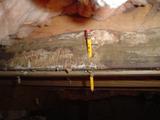
Wood rot and mold are common problems for South Carolina homeowners. Both thrive in damp environments and can weaken your home’s structure, reduce air quality, and lower its overall value. Understanding the differences between them helps you address issues and prevent expensive repairs.
This page explains what causes wood rot and mold, how each affects your home, and the best ways to prevent them from spreading.
What is Wood Rot?
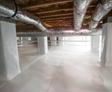
Wood rot is a fungal decay that breaks down wooden structures when exposed to excess moisture. It typically develops in crawl spaces, basements, or areas with poor ventilation. There are three main types of wood rot:
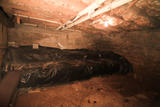
- Dry rot: The most aggressive type. It spreads even in low-moisture areas once established.
- Wet rot: Grows where wood stays damp, such as near plumbing leaks or foundation cracks.
- Brown rot: Causes wood to shrink and crumble, often leaving a dark or brittle surface.
What Causes Wood Rot?
Wood rot occurs when moisture, warmth, and poor ventilation allow fungi to grow and feed on wood fibers. In South Carolina, the combination of high humidity and frequent rainfall makes crawl spaces, basements, and framing especially vulnerable. Over time, this fungal growth breaks down wood cells, weakening the structure of your home.
Common Signs of Wood Rot Damage
As wood rot progresses, you may notice:
- Soft, crumbling, or discolored wood on joists, beams, or trim
- Musty odors or visible fungal growth on wood surfaces
- Sagging or bouncy floors caused by weakened supports
- Cracked drywall or misaligned doors and windows as structural components shift
If left untreated, wood rot can compromise your home’s stability, leading to floor collapse, framing failure, or even foundation settlement. Because this damage spreads quickly in humid conditions, prompt inspection and waterproofing are essential to stop the decay at its source.
How to Prevent Wood Rot
You can help prevent wood rot by maintaining low humidity and regulated temperatures in the crawl space, repairing leaks, and ensuring proper waterproofing and ventilation. Additional protective measures include:
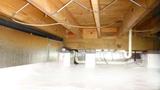
What is Mold?
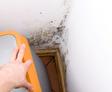
Mold is a fungus that grows on organic materials when moisture and warmth are present. It appears as fuzzy or slimy patches on walls, insulation, and furniture, and spreads through airborne spores. The most common household molds include:

- Allergenic mold: Triggers allergy symptoms such as sneezing and itchy eyes.
- Pathogenic mold: Worsens existing illnesses or weakens the immune system.
- Toxigenic mold: Produces harmful toxins that can cause respiratory irritation in healthy individuals.
What Are the Health Risks of Mold?
Mold spore exposure can cause many health risks, including:

- Persistent coughing or wheezing
- Skin and eye irritation
- Nasal congestion
- Asthma flare-ups or breathing difficulty
Children, older adults, and people with allergies are particularly vulnerable. Removing mold promptly is essential to protect your family and your home.
How to Prevent Mold and Wood Rot in South Carolina Homes
Due to South Carolina’s humidity and temperatures, both mold and wood rot can spread quickly. You can prevent damage by:
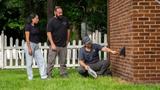
- Installing a crawl space encapsulation system
- Applying basement waterproofing solutions
- Cleaning gutters and downspouts
- Ensuring proper yard grading
- Scheduling annual foundation inspections with a local expert
Get Professional Help for Mold and Wood Rot in South Carolina

Wood rot and mold are signs of moisture damage that threaten your home’s structure and safety. If you suspect either, contact Mount Valley Foundation Services for a free inspection. Our local experts diagnose issues and create customized waterproofing solutions for South Carolina homes.
Contact us today to learn more.
Mold & Wood Rot FAQs
While bleach can remove surface mold, it does not prevent mold from growing back and is not effective against all types of mold. It’s better to use solutions designed for mold removal and address the moisture source.
Wood rot doesn’t ‘spread’ like a disease to dry wood, but the fungi can grow on other wet wood surfaces if the conditions allow.
Mold can grow within 24-48 hours in moist conditions. Wood rot development depends on the wood’s exposure to moisture and fungi, but it generally takes longer to become noticeable.
*Disclaimer: Mount Valley Foundation Services does not offer certified mold identification, inspection, testing, or remediation. This content is for general information only and is not a substitute for professional advice. We make no warranties or guarantees regarding mold removal or its outcomes. For mold concerns, consult a licensed mold remediation specialist.

Shaye Glisson
Related Resources

Publish Date:
Last Modified Date:
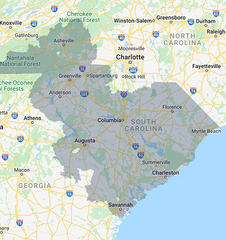
Our Locations
630 Ellis Street, Suite 2-B
Augusta, GA 30901
1850 Ashley River Rd
Charleston, SC 29407
401 Gamble Dr., Suite B
Columbia, SC 29209
1704 N. Oak Street, Suite 3
Myrtle Beach, SC 29577
6606 Abercorn St., Suite 211
Savannah, GA 31405