
Why You Need Basement Drains in South Carolina
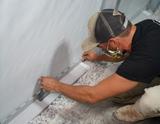
Basement drainage systems prevent water intrusion that can cause mold growth and foundation damage by collecting and directing water away from your home. That’s why basement drains and waterproofing solutions are essential for keeping your home safe and dry.
This page outlines several drainage options to help you choose the best solution for your South Carolina home.
What Are The Four Types of Drainage Systems?
The four drainage types include exterior drain tile, interior French drains, floor drains, and sump pumps. Each drain is designed to intercept water and route it away from the basement. Here’s more:
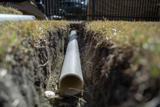
1. Exterior Drain Tile (Perimeter Drain)
An exterior drain tile system consists of a perforated pipe buried around the foundation perimeter. It collects groundwater and discharges it through a sump pump or to a surface outlet where elevation allows.
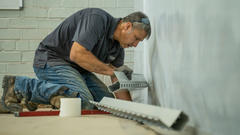
2. Interior French Drains
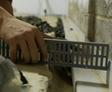
Interior drains, such as our BasementGutter™, consist of a perforated pipe installed in a gravel-filled trench around the basement foundation footing. The pipe collects excess water and directs it to a sump pit. Compared to exterior solutions, these systems are more affordable and quicker to install due to the minimal excavation required.
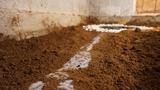
3. Floor Drains
Floor drains are installed in the basement floor to remove water from leaks or spills that reach the slab surface, directing it to a proper discharge point such as a sump pump or approved drain line. However, floor drains do not replace perimeter drainage systems.
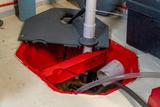
4. Sump Pumps
Sump pumps are submersible devices installed in a sump pit at the lowest point of the basement floor. They activate automatically when water levels rise, directing water away from the basement through a discharge pipe. FEMA recommends sump pumps as effective in flood-damage prevention.
What is The Best Drainage For a Basement?
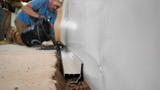
Determining the best basement drainage system for your South Carolina home depends on several factors. A professional inspection will help identify water entry points (cove joint vs. wall seepage), assess hydrostatic pressure, evaluate the condition of the slab, and address other issues, as well as determine the most effective solution for your home.
Floor Drains vs. Perimeter Drains: What’s the Difference?
Floor drains handle surface water, while perimeter drains manage seepage at the wall/slab joint and below-slab water pressure. They serve different purposes and are often used together with other waterproofing components, such as vapor barriers and dehumidifiers, as a comprehensive and long-term solution.
Contact Mount Valley For a Free Basement Inspection
Contact Mount Valley Foundation Services for customized basement waterproofing and drainage solutions. Our experts will inspect your basement and recommend suitable solutions to keep your home safe and dry.
Schedule your free inspection today!
Basement Waterproofing FAQs
We’ve saved the best concern for last. Undoubtedly, this is one of the most-asked homeowner questions. It’s a big deal, and we understand that. We also understand how frustrating it can be to not get a straight answer right away from our office.
To give you a general idea, homeowners can expect to spend an average of $4,000 on basement waterproofing. Various projects that go into the repairs typically range from $2,000 to $10,000. The return on investment from basement waterproofing is estimated to be around 30 percent.
There’s a lot to consider with the cost of wet basement repairs. Because every house is unique and has its own different repair needs, there’s no “one size fits all” solution. What may have worked for even your next-door neighbor’s home might not be exactly what your house needs.
That’s another reason why being present for an appointment with one of our certified inspectors is so important. The inspector needs to physically be in your home to look at the problems and get a better idea of what’s going on. He will then be able to customize repair solutions specific to your home’s repair needs. Along with your budget and repair goals, your inspector also will take the severity of damage or problem areas, square footage, and amount of material needed into consideration.
Even though the cost can range significantly depending on the basement problems and needs, can you really put a price on your peace of mind and family’s health? Think of it as an investment with priceless benefits.
Now that you’ve learned about common basement issues and their causes, don’t you feel motivated to get to the root of these problems and rid your house of them for good? Why would you want your loved ones to be around these kinds of conditions? There are countless benefits from investing in reliable basement repair solutions. Here are just a few of the perks:
- Better Health and Quality of Life — Mold loves dark and damp areas, so your basement could be a place for this harmful toxin to call home. More than half the air you breathe in your house comes from below-grade areas like basements and crawl spaces. So, if there’s mold and dust mites in these areas of your house, chances are you also are breathing them in. Health conditions such as asthma, allergies, and other respiratory issues can worsen or even begin because of this exposure to mold. But having a dry basement will help prevent your family from getting sick. Part of having a healthy home also involves conditioning the air. Running a dehumidifier will help improve the overall air quality and keep moisture and humidity in check.
- Protected Structural Integrity — As previously mentioned, leaking water and failing walls actually can go hand-in-hand. Over-saturated soil directly next to the exterior foundation walls can cause hydrostatic pressure that leads to wall cracks and movement, as well as leaks in your basement. This is most common in homes with block foundation walls. Water can easily saturate and seep through the porous material and find its way inside through any crack or gap. When this water has nowhere else to go, it starts building up inside the walls, resulting in an unsafe mess for your foundation walls and basement floor. When your basement is properly waterproofed, you also are protecting the foundation holding up the rest of the house.
- Improved Energy Efficiency — Basements are naturally cooler areas because they are below-grade. But ones with leaking water can experience even more of a temperature drop. The floors above the basement also can feel cooler, increasing the need to run the heat more often to reach a comfortable temperature. Higher humidity levels also cause the air conditioner to struggle to keep up in the warmer months. So, your HVAC system could be continually running and struggling to keep up year-round. Its constant operation also drives up your utility bills. To put an end to throwing money down the drain on heating and cooling bills, invest in reliable waterproofing solutions that will save your home and your wallet in the long run.
- Increased Real Estate Value — Your home’s real estate/resale value can be impacted by several factors. But it’s important to be aware of your home’s condition regardless. This includes any leaking water and other basement problems. As a South Carolina homeowner, when you sell your house you are required by law to provide a written statement to the buyer disclosing any known past or current defects. Some of these items include basements and infestation of wood destroying pests. Show buyers you care about your home and the finer details by addressing any issues beforehand.
Most basement drains need a sump pump to remove collected water and discharge it safely away from the foundation.
Related Resources
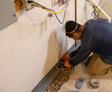

Shaye Glisson
Publish Date:
Last Modified Date:
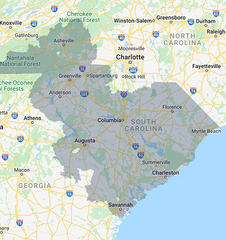
Our Locations
1850 Ashley River Rd
Charleston, SC 29407
401 Gamble Dr., Suite B
Columbia, SC 29209
1704 N. Oak Street, Suite 3
Myrtle Beach, SC 29577
6606 Abercorn St., Suite 211
Savannah, GA 31405