
Are Coastal Areas More Likely to Flood?
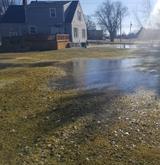
In South Carolina, coastal flooding is more than a weather concern; it impacts home value, safety, and livability. Low-lying areas along the coast and throughout the Lowcountry face increased flood risks as sea levels rise.
According to the National Oceanic and Atmospheric Administration (NOAA), sea levels rise about one-eighth of an inch annually, leaving land areas vulnerable to flooding. These changes mean more South Carolina homeowners are at risk.
Learn which areas face the greatest risk and how to protect your home from rising waters.
Why Coastal Flooding Is Increasing in South Carolina
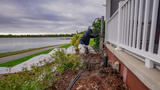
Coastal flooding is increasing in South Carolina because rising sea levels and more frequent high-tide events are putting greater pressure on low-lying coastal areas. Flooded roads and homes have become a familiar sight in Charleston and other coastal cities, with data showing that these flood events are happening much more often than in past decades.
Tide gauge records from the National Oceanic and Atmospheric Administration show a steady rise in Charleston’s annual high-tide flood days compared with earlier decades. What were once rare flooding events now occur many times each year.
Climate Central projects that within 50 years, barrier islands along the South Carolina coast will fall almost entirely within annual flood zones. Moderate forecasts indicate that these annual floods will extend farther inland along the rivers, marshes, and low-lying areas.
Where Flood Zones Are Changing the Fastest in the U.S.
Flood zones are changing fastest in coastal and riverfront regions across the U.S. due to sea level rise, heavier rainfall, and floodplain map redesigns reflecting current risks. For homeowners in flood-prone areas, this means more frequent and severe flood events, even in neighborhoods that previously avoided water damage.
Our recent analyses (below) reveals the most significant flood zone changes occurring along the Gulf Coast, the West Coast, in the Northeast, and near Midwestern waterways —regions where city development and climate patterns compound flood risks.
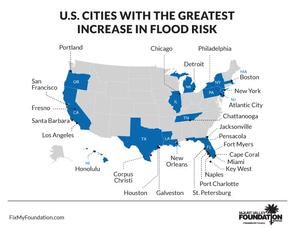
15 U.S. Cities with the Greatest Increase in Flood Risk
- Chicago, IL
- Cape Coral, FL
- Chattanooga, TN
- Port Charlotte, FL
- Miami, FL
- Pensacola, FL
- St. Petersburg, FL
- Fort Myers, FL
- Naples, FL
- Key West, FL
- Jacksonville, FL
- New Orleans, LA
- Corpus Christi, TX
- Houston, TX
- Galveston, TX
How Many South Carolina Homes Are at Risk of Flooding?
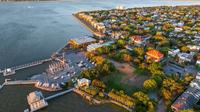
Thousands of South Carolina homes are already vulnerable to flooding, and projections show that number will continue to rise dramatically in the coming decades.
In just 80 years, many of South Carolina’s coastal cities could experience regular flooding in a large percentage of homes. Using coastal data from the Union of Concerned Scientists, a report by 24/7 Wall Street estimated significant flood impacts across South Carolina’s coastal populations.
Charleston city officials recognize this threat and have taken action by prohibiting slab-on-grade foundations. A step toward helping protect residents and properties from the effects of flooding.
South Carolina Population at Risk of Regular Flooding by 2100
- Hilton Head Island, SC: 59%
- James Island, SC: 54%
- Mount Pleasant, SC: 45%
- St. Helena Island, SC: 41%
- Waccamaw Neck, SC: 38%
- Charleston, SC: 36%
- West Ashley, SC: 29%
These figures include many older homes that were once outside designated flood areas. However, new residential development is also increasing flood risk across South Carolina.
NOAA reports that high-tide flooding along the Southeast Atlantic coast, where cities like Charleston and Myrtle Beach are located, has increased by more than 400% since 2000. This rise in flooding frequency means that both older neighborhoods and newly built homes are increasingly exposed to water-related damage.
As development continues near South Carolina’s coastline, many new homes are being constructed in areas now considered part of 10-year or 100-year flood zones. These properties face growing risks from tidal flooding, sea-level rise, heavier rainfall, and stronger hurricanes, all of which can cause gradual foundation damage or sudden structural failure during severe storms.
How to Protect Your Home Against Flooding
A flood prevention checklist helps homeowners prepare before major storms and plan long-term strategies to protect their property from recurring water damage and flooding risks. You can avoid flood damage and protect your home with these waterproofing solutions:

Basement Waterproofing
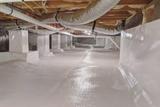
Crawl Space Encapsulation
Home water management is a smart way to reduce the cost and disruption caused by a flood. According to the Federal Emergency Management Agency (FEMA), just one inch of water in an average-sized home can cause more than $25,000 in damage.
In areas subject to flooding, insurance companies often require mitigation measures such as flood vents, which must meet specific installation standards to help protect a home’s foundation. Additionally, some insurers offer credits or incentives (for example, covering or helping fund sump pump installation or other mitigation systems) because these reduce flood damage risk and claims costs.
Schedule a Free Waterproofing Inspection
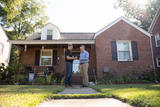
Flood repair and prevention aren’t challenges you should have to face alone. If you’re concerned about your home’s flood risk, contact Mount Valley Foundation Services for a free inspection.
We help homeowners identify their property’s vulnerabilities and find effective ways to reduce flood risk.
You can count on our team for personalized repair solutions, dependable service, and lasting foundation protection.
Basement Waterproofing FAQs
You know your basement needs waterproofing if you notice signs of moisture, such as musty odors, mold, stains, puddles, efflorescence, or wall cracks.
We’ve saved the best concern for last. Undoubtedly, this is one of the most-asked homeowner questions. It’s a big deal, and we understand that. We also understand how frustrating it can be to not get a straight answer right away from our office.
To give you a general idea, homeowners can expect to spend an average of $4,000 on basement waterproofing. Various projects that go into the repairs typically range from $2,000 to $10,000. The return on investment from basement waterproofing is estimated to be around 30 percent.
There’s a lot to consider with the cost of wet basement repairs. Because every house is unique and has its own different repair needs, there’s no “one size fits all” solution. What may have worked for even your next-door neighbor’s home might not be exactly what your house needs.
That’s another reason why being present for an appointment with one of our certified inspectors is so important. The inspector needs to physically be in your home to look at the problems and get a better idea of what’s going on. He will then be able to customize repair solutions specific to your home’s repair needs. Along with your budget and repair goals, your inspector also will take the severity of damage or problem areas, square footage, and amount of material needed into consideration.
Even though the cost can range significantly depending on the basement problems and needs, can you really put a price on your peace of mind and family’s health? Think of it as an investment with priceless benefits.
Absolutely. Improper landscaping that directs water towards your home can increase the risk of water entering through the foundation.

Shaye Glisson
Related Resources


Publish Date:
Last Modified Date:
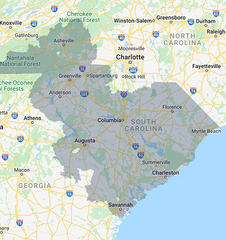
Our Locations
630 Ellis Street, Suite 2-B
Augusta, GA 30901
1850 Ashley River Rd
Charleston, SC 29407
401 Gamble Dr., Suite B
Columbia, SC 29209
1704 N. Oak Street, Suite 3
Myrtle Beach, SC 29577
6606 Abercorn St., Suite 211
Savannah, GA 31405