
How Does Basement Waterproofing Work?
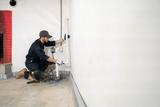
Basement waterproofing protects your home from water intrusion caused by humidity, rain, and snow. When moisture seeps into a basement, it can damage your foundation, reduce air quality, and promote mold growth.
Many homeowners ask: How does basement waterproofing work? This page explains the process, the tools used, and why basement waterproofing is essential for keeping your home safe and dry.
Interior Basement Waterproofing Explained
Basement waterproofing works by combining several water management tools that prevent moisture from entering your home. These systems prevent foundation damage and reduce the risk of mold and mildew, which impact indoor air quality. Common waterproofing methods include:

Wall Vapor Barriers
Wall vapor barriers are large sheets made of waterproof material attached to basement walls. They block water vapor from entering the basement, keeping the space dry and reducing humidity-related issues such as mold.
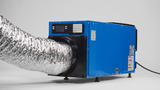
Basement Dehumidifier
A basement dehumidifier removes excess moisture from the air. Because basements are prone to high humidity, dehumidifiers help prevent mold growth and create a healthier environment.
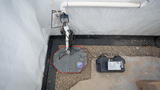
Sump Pump
A sump pump is installed in a pit at the lowest point of the basement. It collects water and automatically pumps it away from the foundation, preventing flooding and water damage.
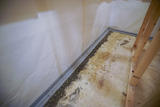
Perimeter Drainage System
Also known as a French drain, a perimeter drainage system collects water around the foundation and directs it to the sump pump. This system reduces hydrostatic pressure and prevents seepage into the basement.
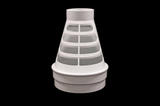
Anti-Freeze Discharge Attachment
In cold climates, sump pump discharge lines can freeze, potentially causing damage. An anti-freeze discharge attachment ensures water continues to flow, keeping your waterproofing system functional year-round.
Together, these systems form a complete basement waterproofing solution that protects against leaks and flooding.
Exterior Basement Waterproofing: What to Know
Exterior waterproofing involves sealing foundation walls from the outside. While effective, it is more invasive and expensive than interior methods and often doesn’t last as long due to weather exposure.
The process typically includes:
- Excavating around the foundation walls
- Inspecting for cracks or structural damage
- Sealing walls with waterproof coatings
- Installing drainage mats or exterior French drains
- Redirecting downspouts away from the foundation
Interior basement waterproofing is generally more cost-effective, longer-lasting, and easier to maintain.
Why is Basement Waterproofing Important?
Basement waterproofing is important because it protects your home’s foundation, health, and value. Water intrusion can cause cracks, structural weakness, and costly repairs. Benefits of basement waterproofing include:
- Preventing foundation cracks and settlement
- Protecting stored belongings from water damage
- Reducing mold and mildew that can harm indoor air quality
- Increasing usable space and enhancing property value
Wet Basement Symptoms to Watch For
A wet basement isn’t always obvious. Look for these common signs of water intrusion:
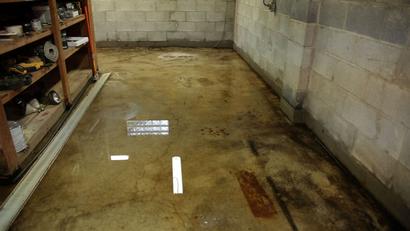
- Increased Humidity: Water intrusion raises indoor humidity levels, making the air feel heavy.
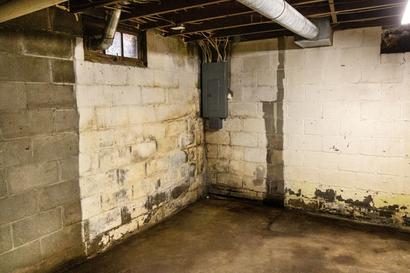
- Efflorescence: White, chalky residue on basement walls indicates water seepage.
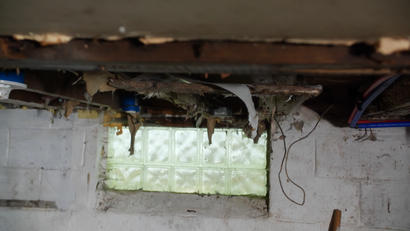
- Leaking Windows: Old or damaged basement windows often allow water to enter.
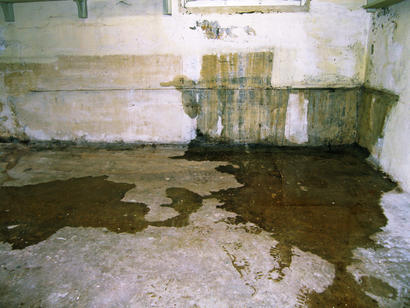
- Pooling Water: Puddles or standing water mean active leaks.
- Mold Growth: Damp basements provide an ideal environment for mold growth.
- Musty Odors: Persistent musty or rotten smells suggest long-term water issues.
Identifying these symptoms early helps keep your home and family healthy and safe.
Waterproof Your Basement With Mount Valley Foundation Services
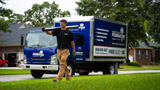
A dry basement means a healthier home for your family. Mount Valley Foundation Services offers free inspections and customized waterproofing solutions to keep your South Carolina home safe, comfortable, and protected year-round.
Contact us today to schedule a free inspection and get started.
Basement Waterproofing FAQs
The cost to treat and prevent efflorescence can vary based on several factors, including the size of your basement, the extent of the moisture issue, and the specific solutions required. Simple cleaning might be inexpensive, but comprehensive waterproofing solutions, which offer long-term protection, can be an investment. It’s always best to consult with experts, like Mount Valley Foundation Services, for a detailed assessment and accurate estimate tailored to your home’s needs. Remember, addressing the issue now can prevent more costly repairs in the future.
We’ve saved the best concern for last. Undoubtedly, this is one of the most-asked homeowner questions. It’s a big deal, and we understand that. We also understand how frustrating it can be to not get a straight answer right away from our office.
To give you a general idea, homeowners can expect to spend an average of $4,000 on basement waterproofing. Various projects that go into the repairs typically range from $2,000 to $10,000. The return on investment from basement waterproofing is estimated to be around 30 percent.
There’s a lot to consider with the cost of wet basement repairs. Because every house is unique and has its own different repair needs, there’s no “one size fits all” solution. What may have worked for even your next-door neighbor’s home might not be exactly what your house needs.
That’s another reason why being present for an appointment with one of our certified inspectors is so important. The inspector needs to physically be in your home to look at the problems and get a better idea of what’s going on. He will then be able to customize repair solutions specific to your home’s repair needs. Along with your budget and repair goals, your inspector also will take the severity of damage or problem areas, square footage, and amount of material needed into consideration.
Even though the cost can range significantly depending on the basement problems and needs, can you really put a price on your peace of mind and family’s health? Think of it as an investment with priceless benefits.
Basement wall cracks can result from a variety of factors. Common causes include soil movement and settling, hydrostatic pressure from saturated soil, freeze-thaw cycles affecting the foundation, flaws in the concrete curing process, and pressure from expanding tree roots. Understanding the specific cause of the cracks in your basement is essential for determining the most effective repair strategy. Mount Valley Foundation Services offers comprehensive inspections to identify the underlying causes of basement wall cracks – contact us today to schedule your appointment!

Shaye Glisson
Related Resources

Publish Date:
Last Modified Date:
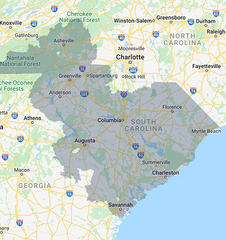
Our Locations
1850 Ashley River Rd
Charleston, SC 29407
401 Gamble Dr., Suite B
Columbia, SC 29209
1704 N. Oak Street, Suite 3
Myrtle Beach, SC 29577
6606 Abercorn St., Suite 211
Savannah, GA 31405