
What’s the Best Way to Level a Concrete Driveway?
Your driveway plays a bigger role in your home’s safety, appearance, and value than you might realize. Constant exposure to the elements can lead to cracks, sinking, and uneven surfaces.
This page explores the most effective concrete repair methods, their pros and cons, and how local experts can help restore a safe, even driveway surface.
4 Effective Methods to Level a Driveway
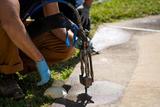
Driveways depend on the underlying soil for long-term stability. Over time, that soil can shift, settle, or erode, creating voids that cause concrete slabs to sink.
When repairing or leveling your driveway, stabilizing the soil is essential. Without addressing the root cause, the same uneven or sinking problems will eventually return.
Below are four common methods used for driveway leveling.
1. Polyurethane Foam Injection
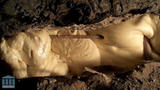
Polyurethane foam injection, also known as polyjacking, polylifting, or our PolyRenewal™ concrete lifting method, involves injecting a specially formulated expanding foam beneath concrete slabs to lift and stabilize them.
PROS:
- Small drill holes – Minimal disruption
- Stabilizes the underlying soil
- Lightweight, eco-friendly material
- Quick 30-minute cure time
- Same-day use of treated concrete surfaces
- Smooth, long-lasting finish
CONS:
- May not achieve perfect leveling
- Cracks are sealed but may remain visible
- Unstable soil can reduce long-term stability
2. Mudjacking
Mudjacking, also known as slabjacking, uses a slurry mixture of cement, water, soil, and sand that’s pumped beneath sunken concrete to raise it back to level.

PROS:
- Fills gaps and forms a sturdy base for concrete
- Quick installation – completed within hours
- Restores appearance without full demolition
CONS:
- Visible patch marks are possible
- Doesn’t solve the underlying soil issues
- Limited material control
- Long curing time and delayed use
- Adds weight to soil – May cause settlement
- Not ideal for unstable or heavy slabs
- Often a short-term fix
3. Full Slab Replacement
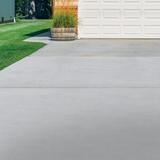
Slab replacement, or driveway replacement, involves demolishing and removing the damaged concrete and repouring new cement in its place. This method is typically required when slabs are severely cracked, crumbling, pitted, flaking, or heavily stained.
PROS:
- Restores like-new appearance – smooth surface
- Long-lasting results when properly installed
- Eliminates deep cracks and surface damage
- Allows full structural inspection before repouring
- Improves curb appeal and property value
CONS:
- The highest cost option
- Longer project time due to demolition/curing
- Disruptive process (noise, debris, limited access)
- Unnecessary if slabs can be lifted or leveled
- Requires several days curing time before use
4. Asphalt Overlay
Asphalt overlay adds a new asphalt layer over existing concrete to cover minor cracks and uneven areas, improving surface appearance.
PROS:
- Lower cost than full slab replacement
- Quick installation — completed within a day
- Improves appearance and curb appeal
- Smooths minor unevenness and cracks
- Extends life of existing concrete or asphalt
CONS:
- Doesn’t fix underlying soil or structural issues
- Shorter lifespan than new concrete
- Prone to cracking if base movement continues
- Can trap moisture, leading to future deterioration
- Adds height, which may affect drainage
Can I Fix My Sunken Driveway Myself?
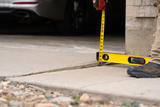
While driveway leveling might seem like a simple DIY project, it’s a job best left to professionals.
Concrete repair requires specialized tools, precision equipment, and materials that aren’t easily accessible or cost-effective for homeowners. Without proper training, using heavy machinery or leveling compounds can lead to safety risks and poor results.
Trust concrete repair experts to restore your driveway safely and correctly the first time. Doing so will save you time and money in the long run.
3 Ways to Prevent Driveway Cracks from Worsening
Cracks and uneven surfaces are common in concrete driveways, but you can prevent them from spreading with a few simple maintenance steps:
- Weight Distribution: Avoid parking heavy vehicles in the same area for long periods. Uneven weight can create pressure points that lead to cracking or sinking.
- Proper Drainage: Ensure downspouts and landscaping direct water away from your driveway to reduce soil erosion and moisture damage.
- Inspection: Check your driveway periodically for cracks or surface shifts. Address issues early with local concrete repair professionals to prevent major damage.
Contact Mount Valley For a Free Concrete Inspection

Your driveway plays a vital role in your home’s safety, appearance, and value. Don’t let minor issues turn into costly repairs.
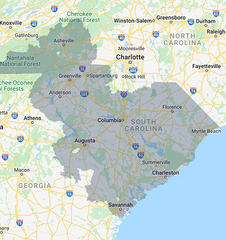
With nearly 40 years of experience serving homeowners across South Carolina, Western North Carolina, and Georgia, Mount Valley Foundation Services is a trusted choice for free inspections, tailored repair plans, and lasting results.
Contact us today to restore strength to your home. We proudly serve Charleston, Greenville, Columbia, Savannah, and the surrounding area.
Concrete Lifting FAQs
The unevenness or sinking of driveways can be attributed to various reasons, such as soil erosion, inadequate soil compaction before driveway installation, the gradual settling of soil, and issues with water runoff or drainage. These issues may create voids under the concrete, causing parts of the driveway to sink or become uneven.
Indicators that your driveway might require leveling are noticeable cracks, sections of the driveway that are not level with others, accumulation of water, and potential tripping hazards. Observing any of these conditions suggests it might be time to reach out to Mount Valley Foundation Services for a complimentary inspection and further information on the benefits of driveway leveling.
The cost to level a driveway varies based on several factors, such as the severity of the damage, the repair method selected, and the expenses associated with labor, materials, and permits. Typically, the price for driveway leveling ranges from $800 to over $4,000. For precise pricing tailored to your specific project, getting a free inspection and a no-commitment estimate from Mount Valley Foundation Services is recommended.
Disclaimer: “Concrete leveling” means the process by which cracked, uneven concrete is stabilized, and in most cases lifted, by means of PolyRenewal™ polyurethane foam. Mount Valley Foundation Services does not guarantee that PolyRenewal™ can make any and/or every square inch of your concrete perfectly level.

Shaye Glisson
Related Resources


Publish Date:
Last Modified Date:
Our Locations
630 Ellis Street, Suite 2-B
Augusta, GA 30901
1850 Ashley River Rd
Charleston, SC 29407
401 Gamble Dr., Suite B
Columbia, SC 29209
1704 N. Oak Street, Suite 3
Myrtle Beach, SC 29577
6606 Abercorn St., Suite 211
Savannah, GA 31405