
Can Tree Roots Damage Your Foundation?
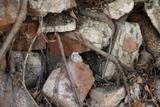
Tree roots damage foundations by shifting the surrounding soil. As roots spread in search of water, they displace and dry out the surrounding soil, creating voids that can cause settlement, cracks, and moisture intrusion. However, there are steps you can take to prevent damage caused by tree roots.
This page explains the causes, warning signs, prevention methods, and when to seek a professional for foundation repairs.
- How Do Tree Roots Damage a Foundation?
- What Are the Signs of Root-Related Foundation Issues?
- What Should You Do After Removing a Tree Near Your Foundation?
- How Can You Prevent Tree Roots from Damaging Your Foundation?
- What Trees Should You Avoid Planting Near Your Foundation?
- When Should You Call a Professional?
- Protect Your Home with Mount Valley Foundation Services
How Do Tree Roots Damage a Foundation?
Tree roots damage foundations by expanding through the soil and creating pressure or voids. Root systems often grow as wide as or wider than their canopies. As the supporting soil shifts, your foundation may sink or settle unevenly. This often results in damage, such as foundation cracks and water intrusion through settlement-related openings.
What Are the Signs of Root-Related Foundation Issues?
Watch for these warning signs of foundation or drainage problems near large trees or after tree removal:
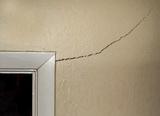
If you see these issues, schedule a professional inspection to confirm whether tree roots or another factor is causing the problem.
What Should You Do After Removing a Tree Near Your Foundation?
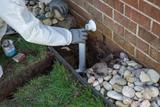
Removing a tree eliminates the canopy, but roots can remain active for months. Reduce risks by following these steps:
How Can You Prevent Tree Roots from Damaging Your Foundation?
Take these five steps to reduce the risk of tree root damage:
1. Choose Trees Wisely
Select species suited to your soil. Some trees have aggressive root systems that should be avoided.
2. Plant at Safe Distances
Keep large trees at least 20 feet from your home’s perimeter. Aggressive species may require even more distance. If you have existing trees near your foundation, consult with professionals to determine the best course of action for transplanting or removing them from your property. Root barriers may be recommended to redirect roots from sensitive areas.
3. Test Your Foundation Depth
Older homes often have shallower foundations and less robust drainage systems than newer ones, which puts them at a greater risk of foundation damage. A professional inspection can confirm the foundation depth, evaluate the soil, and recommend protective measures tailored to your property.
4. Waterproof Against Hydrostatic Pressure
Invest in home waterproofing measures, such as drainage systems, sump pumps, and vapor barriers, to protect against hydrostatic pressure and water seepage through settlement cracks.
5. Manage Soil Moisture
Consistent watering prevents shrink-swell cycles that stress foundations. However, too much water and improper drainage and grading can cause problems. Balance is key to a healthy yard and foundation.
What Trees Should You Avoid Planting Near Your Foundation?
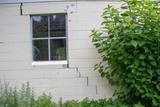
Certain species have aggressive root systems that make them risky near a home:
- American elm
- Willow
- Hybrid poplar
- Silver maple
If you prefer the look of these trees, ask your nursery for alternatives with less invasive roots. Always plant trees at least 20 feet away from your foundation to give them space to grow without disturbing the surrounding soil.
When Should You Call a Professional?
Call a foundation professional if you notice:
Early intervention is less costly and prevents more extensive structural damage.
Protect Your Home with Mount Valley Foundation Services
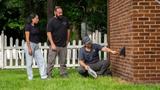
Mount Valley Foundation Services repairs foundation and drainage issues caused by tree roots, soil movement, and water pressure. We provide free inspections, detailed estimates, and permanent repair solutions tailored to your home.
Schedule a free inspection today to safeguard your foundation and protect your property from tree root damage.
Foundation Damage FAQs
As a general rule, trees should be planted at a distance at least equal to their mature height from your home.
Signs include visible cracks in the foundation, uneven floors, doors and windows that stick, and gaps around exterior walls.
Pruning can help, but it must be done carefully to avoid harming the tree; consulting an arborist is advisable.

Leah Leitow
Related Resources
Publish Date:
Last Modified Date:
Our Locations
1850 Ashley River Rd
Charleston, SC 29407
401 Gamble Dr., Suite B
Columbia, SC 29209
1704 N. Oak Street, Suite 3
Myrtle Beach, SC 29577
6606 Abercorn St., Suite 211
Savannah, GA 31405