
Understanding Slab Foundation Problems and Repair in Greenville, SC
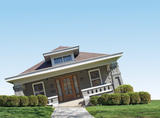
Slab foundation problems are common across Greenville’s historic and hillside neighborhoods. Changes in soil moisture, poor compaction, and natural settling can cause concrete slabs to crack, sink, or shift over time.
This page explains how slab foundations work, how to recognize early warning signs, and the proven repair methods available for homeowners throughout South Carolina, North Carolina, and Georgia.
- What Is a Slab Foundation?
- What’s the Difference Between Slab Foundation Sinking and Settling?
- What Are the Warning Signs of Slab Foundation Problems?
- What Causes Slab Foundation Damage in Greenville, SC?
- How Do Professionals Repair a Sinking Slab Foundation?
- Why Should You Hire a Local Foundation Repair Expert?
- How to Protect Your Home from Slab Foundation Damage
What Is a Slab Foundation?
A slab foundation is a single layer of reinforced concrete poured directly on the ground to support a home’s structure. This simple design is durable and cost-effective, making it popular in Greenville and across the Southeast.
Because slab foundations rest directly on the soil, they are highly sensitive to ground movement and moisture changes. When the soil expands, contracts, or erodes, parts of the slab can shift or sink, creating visible cracks, voids, and other damage.
What’s the Difference Between Slab Foundation Sinking and Settling?
Slab foundation sinking and settling may appear similar, but sinking indicates a structural problem that requires repair, while settling is a natural and limited process that occurs after construction.
Understanding whether your home is settling naturally or sinking structurally helps determine your next steps.
Normal Foundation Settling
Minor foundation settlement is expected as the soil compacts after construction. It typically occurs within the first few years of a home’s life, causes only small cosmetic cracks, and stabilizes without major repair.
Structural Foundation Sinking
Foundation sinking occurs when soil movement continues after the home is built, often due to poor compaction, drainage issues, or clay expansion in the soil. This ongoing movement can cause cracks, uneven floors, and structural instability, requiring professional repair.
What Are the Warning Signs of Slab Foundation Problems?
Early warning signs of slab foundation problems include drywall cracks, uneven floors, and doors and windows that no longer open and close properly. Homeowners in Greenville and surrounding areas should look for these warning signs:
- Cracks wider than 1/8 inch in floors or walls
- Uneven floors that separate from baseboards
- Stair-step cracks in brickwork or exterior siding
- Doors or windows that stick or misalign
- Gaps between floors, walls, or window frames
If you notice one or more of these issues, schedule a free foundation inspection to determine whether your slab is sinking and to identify the best repair solution. Only a professional inspection can determine if your home has a structural problem.
What Causes Slab Foundation Damage in Greenville, SC?
Slab foundation damage is primarily caused by expansive clay soil, poor compaction, drainage issues, and seasonal moisture changes. Several local and regional factors contribute to foundation movement and slab failure, including:
Expansive Clay Soil
Greenville’s clay soil expands when saturated and shrinks when dry. These changes exert constant pressure on concrete slabs, leading to cracking and uneven settlement, especially in neighborhoods like Taylors, Greer, and Simpsonville.
Poor Soil Compaction
Many older historic homes in Greenville, built during the textile boom in areas such as Hampton-Pinckney and Pettigru, rest on poorly compacted soil. As the ground compresses over time, foundations lose stability and begin to shift.
Moisture and Drainage Problems
Improper drainage, gutter overflow, and heavy seasonal rain weaken soil support. During dry spells, soil contraction creates voids beneath the slab, worsening foundation stress.
Topography and Weather
Greenville’s hilly terrain and humid climate amplify soil instability. Temperature fluctuations and moisture changes accelerate foundation settlement throughout the Carolinas and northern Georgia, further destabilizing foundations.
How Do Professionals Repair a Sinking Slab Foundation?
Professionals repair sinking slab foundations using steel slab piers, helical piers, or polyurethane foam injection to lift and stabilize the structure. The right repair approach depends on the extent of the damage and soil conditions beneath the home. Foundation repair experts typically recommend one of the following solutions.
Slab Foundation Pier Systems
Slab piers are heavy-duty steel supports installed through small access points in the slab. They reach stable, load-bearing soil beneath your home and transfer the foundation’s weight away from weak ground. Once installed, slab piers permanently stabilize the structure and can often lift it back to its original position. Installation typically involves:
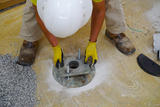
- Coring small holes in the slab
- Attaching steel brackets to the footing
- Driving piers hydraulically into stable soil
- Transferring the home’s load to the piers
- Filling and finishing holes for a clean result
Push Piers and Helical Piers
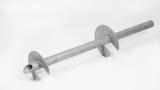
- Push piers, galvanized steel piers, driven deep into the ground to support heavier areas of the foundation.
- Helical piers, shaped like large screws, are ideal for lighter structures or localized settlement.
Both foundation piering systems provide long-term stability and prevent further movement caused by soil changes.
Polyurethane Foam Injection
Polyurethane foam injection is used for non-structural applications, such as driveways, patios, and garage floors. This eco-friendly expanding foam fills voids beneath the concrete, lifting it gently while creating a water-resistant barrier that protects against future erosion.
Why Should You Hire a Local Foundation Repair Expert?
Hiring a local foundation repair expert ensures your slab problems are diagnosed accurately and repaired with long-term stability in mind. Greenville-based professionals understand the unique challenges of our region’s clay soil, weather, and terrain, and that local experience makes a difference.
Local Knowledge
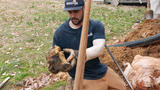
Local experts are familiar with Greenville’s expansive soils, drainage issues, and elevation changes. They use proven technology and have extensive regional experience repairing sinking slab foundations throughout South Carolina.
Customized Repair Plans
No two foundations are alike. Local specialists perform detailed inspections to identify the root cause of damage and design repair plans that fit your home and budget.
Proven Materials and Techniques
Advanced pier systems, helical supports, and high-quality polyurethane materials ensure permanent stabilization and long-lasting performance.
Transparent Service

Trustworthy professionals provide free, no-obligation inspections and written estimates. You should never feel pressured to commit.
How to Protect Your Home from Slab Foundation Damage
You can protect your home by addressing early warning signs, improving drainage, and scheduling a free inspection from a trusted local foundation repair expert.
If you’ve noticed cracks, uneven floors, or other damage, contact Mount Valley Foundation Services for a free inspection.
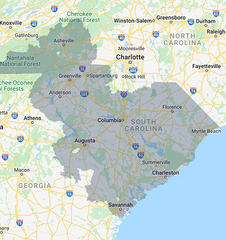
Our certified team serves homeowners across South Carolina, North Carolina, and Georgia, providing trusted slab foundation repair solutions built for Southern soils and climates.
Slab Foundation FAQs
The cost of slab piers depends on multiple factors, including the level of damage and the number of piers required for effective stabilization. Reach out to Mount Valley Foundation Services for a free, accurate inspection, and cost estimate.
Typically, our skilled crews can install slab piers in 1-2 days, although the duration might vary depending on various factors including the number of piers required.
Mount Valley’s PolyRenewal™ process can elevate slabs in roughly 15 minutes. The overall project duration depends on the slab’s dimensions and damage degree. We offer a timeline during our free evaluation.
Related Resources

Shaye Glisson
Publish Date:
Last Modified Date:
Our Locations
1850 Ashley River Rd
Charleston, SC 29407
401 Gamble Dr., Suite B
Columbia, SC 29209
1704 N. Oak Street, Suite 3
Myrtle Beach, SC 29577
6606 Abercorn St., Suite 211
Savannah, GA 31405