
Cracks in Concrete Block Walls: Should You Be Concerned?
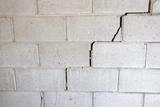
Have you noticed cracks in the concrete block walls of your foundation? If so, you’re likely wondering if you should be concerned. No homeowner wants to discover foundation cracks, and it’s natural to hope they’re harmless. The truth is that some cracks are more serious than others.
This page explains what causes these issues in South Carolina, how to identify structural damage, and how to fix cracks in concrete walls before they worsen.
- Are Cracks in Concrete Block Walls a Problem?
- Cracks in Concrete Block Walls: Minor or Major Concerns?
- Three Common Concrete Block Wall Crack Patterns
- Signs You May Need Concrete Block Wall Repair
- What Causes Cracks in Concrete Block Walls?
- How to Inspect, Repair, and Prevent Block Wall Cracks
- Get a Free Foundation Inspection from a South Carolina Expert
Are Cracks in Concrete Block Walls a Problem?
Cracks in concrete block walls aren’t always serious, but some may indicate structural concerns that can lead to severe issues. Assessing a crack’s size, pattern, and location can help determine its severity. Let’s explore the minor and major concerns and the three common crack patterns.
Cracks in Concrete Block Walls: Minor or Major Concerns?
Here’s how to differentiate between cracks you can monitor and those that require immediate concrete block repair.
Minor Cracks (Monitor)
- Thin, hairline cracks less than 1/8 inch wide
- Small vertical cracks in the center of a wall
- Cracks that have remained the same size over time
- Surface-level cracking due to weather or aging
Major Cracks (Potential Structural Issues)
- Cracks wider than 1/4 inch
- Horizontal cracks in the basement or retaining walls
- Stair-step cracks that change in length or width
- Vertical cracks with signs of bowing or wall movement
- Water seeping through or pooling around cracks
- Cracks near windows, doors, or corners of the home
Three Common Concrete Block Wall Crack Patterns
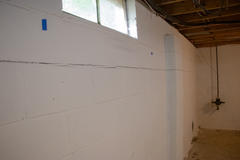
1. Horizontal Cracks
Horizontal cracks are the most severe type of crack. Concrete block wall cracks indicate significant pressure on the foundation, which may lead to collapse. Don’t ignore horizontal cracks. Your local foundation repair expert can provide a free inspection to determine which concrete block repair strategy will work best for your home and budget.
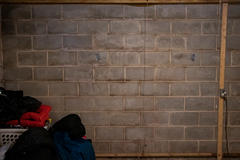
2. Vertical Cracks
Vertical cracks in block walls are serious and often indicate high pressure against the foundation and risk of structural collapse. While they may not pose the immediate danger of horizontal cracks, they should still be inspected by a professional as soon as possible. Vertical cracks can allow water intrusion, leading to wet walls, mold, efflorescence, and musty odors.
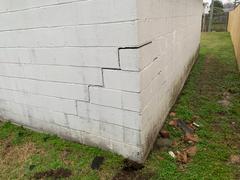
3. Stair-Step Cracks
These are the most common cracks in concrete block walls and typically suggest uneven foundation settlement. Stair-step patterned cracks run through the mortar between the concrete blocks or in the brickwork on your home’s exterior. As cracks widen over time and the house continues to shift, additional problems are likely to occur, such as water intrusion.
Signs You May Need Concrete Block Wall Repair
Many homeowners notice cracks while cleaning their basements or preparing to sell, so knowing what to look for can help prevent further damage. Even if the cracks aren’t visible, the following symptoms may indicate the need for concrete block repair:
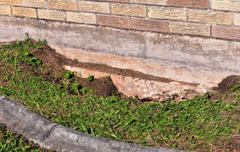
- Exterior Erosion: Soil washout or erosion around your home’s perimeter is often caused by water accumulation from poor yard grading, clogged gutters, or inadequate drainage systems. This erosion causes soil and foundation separation, compromising structural stability.
- Bowing or Leaning Walls: This sign is a significant structural issue. Visibly bowed walls, whether inward or leaning outward, are under considerable pressure, often from hydrostatic pressure or soil movement.
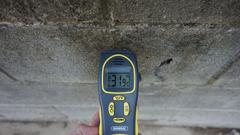
- High Humidity or Water Damage: Water damage or high basement humidity levels may indicate seepage from unaddressed cracks in concrete block walls.
- Efflorescence: A white, powdery residue on concrete block walls caused by salt deposits left behind after water evaporates. This damage often indicates water infiltration and potential cracks in cinder block walls.
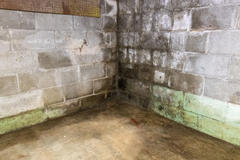
- Musty Odors: Musty smells may indicate mold growth or mildew caused by water seepage from cracks in block wall areas.
- Pest Infestation: Wet environments attract insects and rodents. Hairline cracks or concrete gaps allow these pests easy access to your basement.
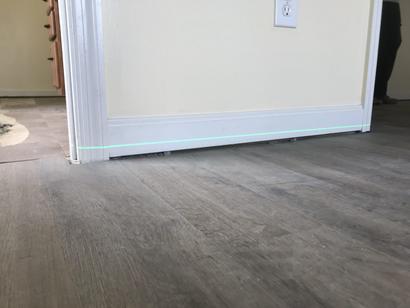
- Uneven Floors: Uneven basement or interior floor misalignment can signal foundation settlement and possible unseen wall damage.
- Sticking Doors and Windows: If doors and windows in the basement or first floor are hard to open or close, it may indicate foundation movement, which can also lead to wall cracks.
What Causes Cracks in Concrete Block Walls?
Various underlying causes contribute to cracks in cinder block walls. The most common causes include:
- Foundation Settlement: Over time, soil beneath the foundation can shift or compact unevenly, leading to cracks in concrete block walls.
- Hydrostatic Pressure: Heavy, wet soil can push inward against basement walls, causing water seepage, horizontal cracks, and other damage.
- Poor Construction or Materials: Inadequate rebar placement, low-quality mortar materials, or poor drainage planning can compromise the foundation structure.
- Tree Roots: Large trees near your home can exert lateral pressure against concrete block walls.
- Soil and Concrete Movement: Moisture and temperature changes cause expansive soil and concrete to expand and contract, leading to concrete block wall cracks.
If you notice potential signs of damage or its causes, don’t worry. Perform a DIY inspection before contacting an expert using the tips below.
How to Inspect, Repair, and Prevent Block Wall Cracks
Before contacting a foundation repair expert, perform a basic DIY inspection of your concrete block walls. Use these simple steps to gather helpful information.
DIY Inspection Tips
- Measure the Crack: Use a ruler to measure the width. A professional should inspect cracks wider than 1/4 inch.
- Monitor Crack Changes: Mark both ends of the crack with a pencil and monitor weekly to view changes.
- Look for Wall Movement: Place a level or string line across the wall to check for bowing.
- Inspect for Moisture: Check for water stains, efflorescence, or mold near cracks in block wall areas.
- Examine the Exterior: Check your home’s perimeter for soil erosion, pooling water, or damaged drainage systems.
These steps help you rule out minor concerns and identify warning signs. If you aren’t sure, contact a professional for a free inspection. Safety should always be prioritized.
How to Fix Cracks in Concrete Walls
After identifying the crack, the next step is finding the best solution. Below are common methods for concrete block repair based on the severity of the issue.
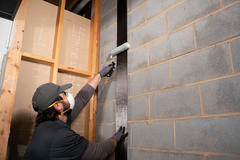
- Wall Anchors: These anchors reinforce bowed or leaning walls.
- Carbon Fiber Wall Reinforcement: Low-profile reinforcement for cracked and bowing walls.
- Foundation Piers: These support and re-stabilize sinking and settling foundations.
How to Prevent Cracks in Concrete Block Walls
Prevention methods help manage moisture before it becomes a problem. Common waterproofing solutions include:
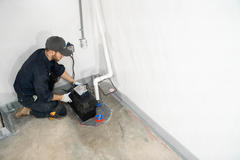
- Sump Pumps: These pumps send excess water toward the interior drainage system for removal.
- Interior Drainage Systems: Directs excess water away from the basement area.
- Vapor Barriers: These waterproof liners prevent basement moisture and related damage.
- Dehumidifiers: These robust systems remove moisture from the air in basements.
Still unsure whether you need waterproofing or concrete block wall repair? Foundation repair experts provide free inspections to answer your questions so you can make informed decisions and avoid unnecessary damage.
Get a Free Foundation Inspection from a South Carolina Expert

Still unsure if your cracks in concrete block walls are a concern? Contact Mount Valley Foundation Services for a free foundation inspection in South Carolina. Our local experts will assess the issue and provide tailored repair plans to fit your home’s needs and your budget.
Call us today to learn more about safeguarding your home.

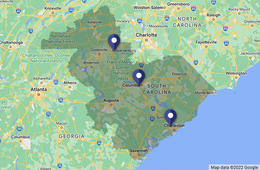

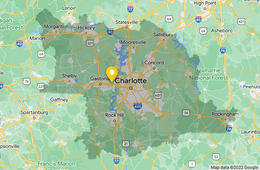

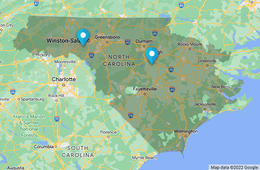
Service Areas
Northern North Carolina ·
Raleigh/Durham · Chapel Hill · Wilmington ·
Winston-Salem/Greensboro
Basement Wall FAQs
Mount Valley Foundation Services employs a range of techniques to repair and reinforce basement walls. Depending on the nature and severity of the cracks, the methods can include carbon fiber straps, channel anchors, wall anchors, and steel I-beams. Additionally, waterproofing and drainage solutions such as internal drain systems, dehumidifiers, and vapor barriers are integrated to prevent future issues. Each repair plan is customized based on the results of a thorough inspection of your basement.
The time required for repairs depends on the chosen solution and the extent of the bowing. Simple fixes like installing Carbon Fiber Straps could take as little as one day, while more complex solutions involving steel beams or wall anchors may take several days. Our team will provide an estimated timeframe during your free inspection.
Basement wall cracks can result from a variety of factors. Common causes include soil movement and settling, hydrostatic pressure from saturated soil, freeze-thaw cycles affecting the foundation, flaws in the concrete curing process, and pressure from expanding tree roots. Understanding the specific cause of the cracks in your basement is essential for determining the most effective repair strategy. Mount Valley Foundation Services offers comprehensive inspections to identify the underlying causes of basement wall cracks – contact us today to schedule your appointment!

Shaye Glisson
Related Resources

Publish Date:
Last Modified Date:
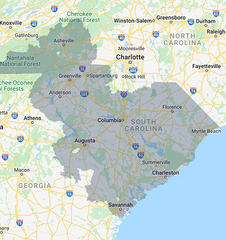
Our Locations
630 Ellis Street, Suite 2-B
Augusta, GA 30901
1850 Ashley River Rd
Charleston, SC 29407
401 Gamble Dr., Suite B
Columbia, SC 29209
1704 N. Oak Street, Suite 3
Myrtle Beach, SC 29577
6606 Abercorn St., Suite 211
Savannah, GA 31405