
Six Ways to Keep Your Basement Dry Year-Round
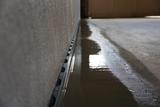
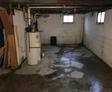
Your basement can become damp or flooded any time of year, especially during spring and summer when the Carolinas experience heavy rainfall and humidity. Rainwater can seep through cracks, and moisture buildup often leads to basement condensation, but those aren’t the only ways water can cause problems.
Basement waterproofing solutions help protect your home from leaks, humidity, and water damage. This page explains what causes basement moisture and how to keep your space dry year-round.
Why Does Water Get Into My Basement?
Several factors can lead to a wet or humid basement. Common culprits include:
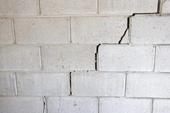
Signs of Basement Moisture:
High moisture levels can cause problem signs, such as:
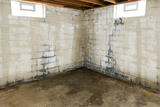
If you notice signs of damage, contact a basement waterproofing expert for a free inspection. Addressing symptoms early helps prevent further damage and expensive repairs later.
Ways to Keep Your Basement Dry
Six ways to keep your basement dry year-round include:
1. Install a Basement Waterproofing System
Even with exterior improvements, water can still enter through foundation walls and floors. Install an interior drainage system, like BasementGutter™, connected to a sump pump to collect and remove groundwater before it causes damage. Vapor barrier application helps prevent seepage.
2. Use a Dehumidifier and Insulate Basement Walls
A quality basement dehumidifier removes excess moisture from the air, protecting finishes and furniture. It also enhances the air quality. Insulate basement walls to prevent condensation from temperature fluctuations to improve energy efficiency.
3. Regrade Around Your Home to Prevent Water Pooling
Ensure the soil around your home slopes away from the foundation. Proper grading directs rainwater away from your basement walls. Use gravel beds instead of mulch near window wells for improved drainage.
4. Clean and Extend Gutters and Downspouts
Clogged gutters cause rainwater to overflow, run down walls, and seep into basements. Clean them regularly, repair damage, and extend downspouts to discharge water several feet from your foundation.
5. Fix Basement Window Leaks and Improve Drainage
Basement windows are common entry points for water. Keep window wells clear of debris, use gravel to improve drainage, and check for cracks or gaps around frames. Move houseplants and use fans or a dehumidifier to reduce condensation buildup.
6. Keep Basement Windows Closed
Opening basement windows introduces more moisture. Keep them closed to maintain stable humidity and air quality.
How to Protect Your Foundation From Flood Damage
You can protect your foundation from flood damage by installing waterproofing solutions that prevent seepage. Schedule a professional foundation inspection to detect cracks or water damage early. Mount Valley Foundation Services offers expert repair and waterproofing solutions to help protect your home long-term.
When to Call a Basement Waterproofing Professional

Contact Mount Valley Foundation Services’ basement waterproofing experts at the first sign of moisture. Our professionals identify the source of the problem and recommend customized solutions to help you maintain a clean, dry basement year-round.
Call for a free inspection today.
Basement Waterproofing FAQs
You know your basement needs waterproofing if you notice signs of moisture, such as musty odors, mold, stains, puddles, efflorescence, or wall cracks.
We’ve saved the best concern for last. Undoubtedly, this is one of the most-asked homeowner questions. It’s a big deal, and we understand that. We also understand how frustrating it can be to not get a straight answer right away from our office.
To give you a general idea, homeowners can expect to spend an average of $4,000 on basement waterproofing. Various projects that go into the repairs typically range from $2,000 to $10,000. The return on investment from basement waterproofing is estimated to be around 30 percent.
There’s a lot to consider with the cost of wet basement repairs. Because every house is unique and has its own different repair needs, there’s no “one size fits all” solution. What may have worked for even your next-door neighbor’s home might not be exactly what your house needs.
That’s another reason why being present for an appointment with one of our certified inspectors is so important. The inspector needs to physically be in your home to look at the problems and get a better idea of what’s going on. He will then be able to customize repair solutions specific to your home’s repair needs. Along with your budget and repair goals, your inspector also will take the severity of damage or problem areas, square footage, and amount of material needed into consideration.
Even though the cost can range significantly depending on the basement problems and needs, can you really put a price on your peace of mind and family’s health? Think of it as an investment with priceless benefits.
Basement wall cracks can result from a variety of factors. Common causes include soil movement and settling, hydrostatic pressure from saturated soil, freeze-thaw cycles affecting the foundation, flaws in the concrete curing process, and pressure from expanding tree roots. Understanding the specific cause of the cracks in your basement is essential for determining the most effective repair strategy. Mount Valley Foundation Services offers comprehensive inspections to identify the underlying causes of basement wall cracks – contact us today to schedule your appointment!

Shaye Glisson
Related Resources

Publish Date:
Last Modified Date:
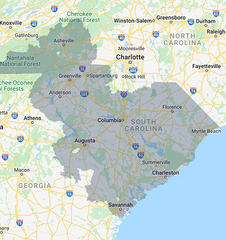
Our Locations
53 N Market St, Suite 5
Asheville, NC 28801
630 Ellis Street, Suite 2-B
Augusta, GA 30901
1850 Ashley River Rd
Charleston, SC 29407
401 Gamble Dr., Suite B
Columbia, SC 29209
1704 N. Oak Street, Suite 3
Myrtle Beach, SC 29577
6606 Abercorn St., Suite 211
Savannah, GA 31405