
Foundation Issues Due to High Water Tables in South Carolina
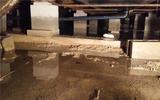
Does your property flood during heavy rain or snowmelt? Have you noticed damp basement walls, standing water, or musty odors in your home?
These are common signs of a high water table, a problem that can cause foundation and moisture issues in South Carolina homes.
This page explains what high water tables are, what causes them, the warning signs to watch for, and how to protect your home.
- What is a High Water Table?
- Why are High Water Tables a Problem in South Carolina?
- What Causes a High Water Table?
- Where is the Water Table Located in South Carolina?
- Signs of a High Water Table
- How to Prevent the Effects of a High Water Table
- How to Fix Foundation Damage Caused by a High Water Table
- Why Address a High Water Table on Your Property?
- Mount Valley Offers Proven Waterproofing Solutions
What is a High Water Table?
A high water table occurs when groundwater levels rise close to the surface. Soil normally absorbs rainwater like a sponge, but during extended rainfall, snowmelt, or drainage failures, it becomes oversaturated. When this happens, groundwater pressure builds up, causing flooding, seepage, and foundation instability.
Why are High Water Tables a Problem in South Carolina?
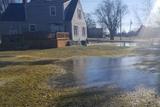
High water tables compromise soil stability and lead to erosion, washout, and hydrostatic pressure. This excess groundwater can seep into basements and crawl spaces, cracking concrete slabs and shifting foundations.
The state’s humid climate, coastal proximity, and low elevation contribute to consistently high groundwater levels. In many areas, the water table sits just a few feet below the surface, which is one reason many southern homes lack basements.
What Causes a High Water Table?
Several factors contribute to high water tables across South Carolina, including:
- Precipitation: Heavy rainfall or snowmelt saturates the soil and raises groundwater levels.
- Topography: Low-lying or coastal properties experience slower drainage.
- Soil Type: Expansive clay soils retain water longer, trapping moisture.
- Seasonal Changes: Irrigation, development, and groundwater recharge alter natural drainage patterns.
- Human Activity: Irrigation, development, and groundwater recharge alter natural drainage patterns.
Water tables fluctuate seasonally, especially in areas near rivers, lakes, or the Atlantic Ocean, where groundwater is directly connected to surface water.
Where is the Water Table Located in South Carolina?
Water table depth varies by region and soil type. In coastal and low-lying areas, groundwater often sits just below the surface. Technologies such as well drilling, seismic refraction, and ground-penetrating radar (GPR) help determine exact depths and subsurface conditions.
Signs of a High Water Table
High water tables cause many problems, including persistent moisture, structural stress, and visible warning signs, including:
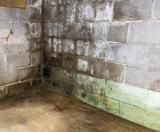
If you notice problem signs, contact Mount Valley Foundation Services for a free inspection. Problems worsen over time, causing extensive damage and repairs.
How to Prevent the Effects of a High Water Table
Preventing flooding and managing groundwater protects your property. The following solutions help prevent damage:
- Drainage Systems: French drains, perimeter drains, or interior drainage systems redirect groundwater.
- Sump Pumps: A sump pump removes accumulated water from basements or crawl spaces.
- Gutters and Downspouts: Keep gutters and downspouts clear and extended at least 6 feet from the foundation.
- Yard and Landscape Grading: Ensure soil slopes away from your home to promote runoff.
- Seal Foundation Cracks: Regularly inspect and repair foundation wall and floor cracks to prevent water intrusion.
- Waterproofing Solutions: Basement waterproofing and crawl space encapsulation solutions help protect your foundation from flooding.
- Professional Expertise: Contact Mount Valley’s experts to assess your property’s condition and provide custom water management solutions.
These strategies can significantly reduce the risk of flooding and prevent the adverse effects of a high water table on your property.
How to Fix Foundation Damage Caused by a High Water Table
Foundation damage resulting from high water table flooding can be repaired using the following methods:
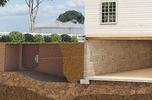
- Wall Anchors: Stabilize and straighten bowing or leaning walls.
- Channel Anchors: Provide additional support to prevent further wall movement.
- IntelliBrace™ Wall Repair System: Gradually adjusts and reinforces bowing walls.
- Carbon Fiber Wall Reinforcement: Strengthens basement walls, preventing further cracking or bowing.
- Foundation Piers: Stabilize and lift settling foundations.
These foundation repair solutions stabilize and repair damage caused by high water tables. If you suspect foundation damage in your home, contact a foundation repair expert for a free inspection. Addressing issues sooner rather than later prevents further deterioration and more extensive and costly repairs.
Why Address a High Water Table on Your Property?
Unaddressed water issues can lead to severe consequences, including:
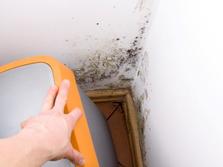
- Health Risks: Water damage fosters mold and mildew growth, which can degrade indoor air quality and exacerbate respiratory conditions such as asthma and allergies.
- Structural Damage: Persistent moisture can cause structural damage and instability, creating unsafe living conditions.
- Financial Costs: The longer you wait to address foundation issues, the worse it becomes, leading to extensive, costly repairs.
- Decreased Property Value: Visible signs of water damage, such as stains, uneven floors, or mold growth, can deter potential buyers, leading to decreased property value.
Addressing water issues promptly is essential to prevent health risks, structural damage, and financial burdens.
Mount Valley Offers Proven Waterproofing Solutions
Is your property located in a low-lying area of South Carolina? If so, Mount Valley Foundation services can help! We’ve worked with homeowners, providing tailored foundation repair and waterproofing solutions since 1986.
Contact us for a free inspection. We proudly serve in South Carolina, North Carolina, and Georgia.
Foundation Waterproofing FAQs
Hydrostatic pressure is the force exerted by water in the soil around your foundation. It can push water through cracks and joints, leading to leaks.
Basement waterproofing costs depend on the extent of the damage, the size of the area, and the type of solutions used.
A basement inspection from Mount Valley Foundation Services is free. Contact us today for a thorough evaluation and tailored repair solutions.

Shaye Glisson
Related Resources

Publish Date:
Last Modified Date:
Our Locations
630 Ellis Street, Suite 2-B
Augusta, GA 30901
1850 Ashley River Rd
Charleston, SC 29407
401 Gamble Dr., Suite B
Columbia, SC 29209
1704 N. Oak Street, Suite 3
Myrtle Beach, SC 29577
6606 Abercorn St., Suite 211
Savannah, GA 31405