
5 Basement Waterproofing Products + DIY Risks
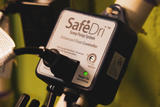
Preventing basement water intrusion protects your Charlotte, NC home from costly damage, mold growth, and structural issues. While basement waterproofing is essential, selecting the right products and installation methods can make all the difference between a dry basement and costly future repairs.
This page examines five basement waterproofing products and the associated risks of DIY repairs.
- What Causes Basement Water Problems?
- 5 Essential Basement Waterproofing Products
- The Risks of DIY Basement Waterproofing
- Why Professional Assessment and Installation Matter
- What Is Basement Wall Reinforcement?
- How to Waterproof a Foundation During New Construction
- Get a Free Basement Waterproofing Inspection in Charlotte
What Causes Basement Water Problems?
Basement water problems are caused by foundation cracks, poor drainage, and high humidity. Understanding these causes helps diagnose the root of water seepage and damage. Here’s more:
- Basement Wall Cracks: Cracks allow water seepage, especially after heavy rainfall. Foundation cracks are caused by hydrostatic pressure and settlement.
- Poor Drainage: Inadequate drainage systems can lead to water accumulation around your home’s perimeter, which eventually seeps into basements.
- High Humidity: Charlotte’s climate can lead to basement condensation and high basement humidity levels.
Addressing basement water issues with effective solutions ensures a repair that provides long-term protection.
Signs You Need Professional Basement Waterproofing
Water seepage, mold growth, and condensation signal the need for basement waterproofing solutions. Additional warning signs include:
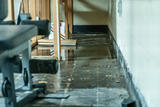
- Water pooling in basement corners along walls
- Leaky basement windows
- White chalky residue (efflorescence) on basement walls
- Musty odors or mold growth
- Increased humidity inside your home
- Cracks in foundation walls
- Peeling paint or wallpaper in basement areas
5 Essential Basement Waterproofing Products
Five essential waterproofing products include:
1. Dehumidifier
Moisture control is your first line of defense against basement humidity problems. When moisture levels rise, basements become damp, musty, and prone to mold growth. Energy-efficient basement dehumidifiers with self-draining capabilities remove excess moisture from the air, which creates a healthier indoor environment, too.
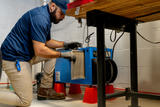
Features to look for:
- Energy-efficient operation
- Self-draining capability
- Appropriate capacity for your basement size
2. Interior Drainage System
Interior drainage systems provide long-lasting protection against groundwater intrusion. These systems prevent water buildup by draining it away from the basement.
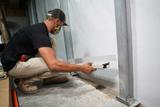
How it works:
- Perforated pipe installed in a trench around the basement perimeter
- Collects seeping water from walls and the critical wall-floor joint (cove joint)
- Channels water to the sump pump system
- Requires minimal maintenance and lasts for decades
3. Sump Pumps
Charlotte experiences heavy rain and flooding that can inundate basements without proper water removal systems in place. A quality sump pump expels water from the basement before it causes damage.

Essential features:
- Airtight liners to prevent moisture escape
- Battery backup for power outages
- Combine with interior drainage systems for maximum effectiveness
4. Frozen Discharge Prevention
FreezeGuard attachments on exterior discharge lines prevent pumped water from freezing and flowing back into the basement, ensuring your drainage system works year-round.
5. Vapor Barriers
Applying a vapor barrier on basement walls protects against wall moisture seepage.
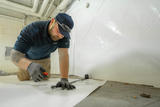
Quality vapor barriers are:
- Flexible enough to cover irregular and uneven surfaces
- Wear and tear resistant for long-lasting protection
- 20-mil thick for durable coverage
- Effective for both basement walls and crawl space encapsulation
The Risks of DIY Basement Waterproofing
DIY basement waterproofing might seem cost-effective, but it often creates bigger problems and higher expenses in the long run. Risks of DIY basement waterproofing include:
1. Concealing Underlying Problems
The Risk: DIY waterproofing often masks symptoms without addressing the root cause of the problem. Installing a vapor barrier and dehumidifier may reduce visible dampness, but if foundation cracks are allowing water to enter, the problem will worsen underground.
The Cost: Failing to identify and address foundation issues can result in repair costs that are two to three times higher than if the issues were caught during the initial assessment.
2. Installation Errors
The Risk: Waterproofing systems must be installed precisely to work. DIY mistakes often include:
- Incorrect sump pump setup that damages the pump or leaves standing water
- Poorly installed vapor barriers that trap moisture and encourage mold growth
- Faulty drainage systems that render the entire setup ineffective
The Cost: These mistakes can lead to system failure, mold remediation, and costly replacements, often exceeding the price of professional installation.
3. Choosing the Wrong Products
The Risk: Not all waterproofing products work for every basement or soil condition. Choosing the wrong materials results in:
- Continued water infiltration
- Wasted money on ineffective solutions
- The need for a full system replacement
The Cost: Homeowners often incur additional repairs due to ongoing water damage. Common product mistakes include:
- Dehumidifiers too small for your basement’s moisture levels
- Vapor barriers that are undersized or too thin
- Drainage systems that are inadequate for your soil and water table
Why Professional Assessment and Installation Matter
Professional assessments and repairs provide an accurate diagnosis of the underlying water issues, recommend the right repair method, and ensure proper installation tailored to your specific basement needs.
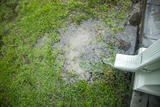
Every basement has unique challenges based on:
- Soil conditions and drainage patterns
- Foundation age and construction methods
- Local climate and weather patterns
- Existing structural issues
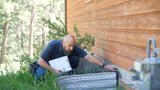
Basement waterproofing professionals have the expertise to:
- Identify all sources of water intrusion
- Recommend appropriate products for your specific situation
- Install systems correctly for optimal performance
- Provide financing options, warranties, and ongoing maintenance support
What Is Basement Wall Reinforcement?
Basement wall reinforcement is a repair method that stabilizes cracked, bowing, or leaning basement walls caused by hydrostatic pressure and soil movement. These systems permanently strengthen basement walls and help prevent future water intrusion:
- Wall Anchors: Anchors extend into stable soil outside the basement and connect to interior wall plates, stopping inward bowing and restoring strength.
- IntelliBrace Beams: Steel I-beams secured to the floor and joists that can be tightened over time to straighten damaged walls.
- Carbon Fiber Supports: Strong, low-profile strips bonded to the wall that prevent further cracking or shifting in less severe cases.
Wall reinforcement is a permanent solution that works best when paired with other waterproofing methods, such as interior drains, sump pumps, and vapor barriers, to maintain a dry and structurally sound basement.
How to Waterproof a Foundation During New Construction
Waterproofing a foundation during construction is the most effective way to prevent future water damage, as protective barriers and drainage systems can be built directly into the foundation.
Mid vs. Post-Construction Waterproofing
What Waterproofing Options Are Available During Construction?
The same core basement waterproofing options are available for both new constructions and renovations, including interior drainage systems, vapor barriers, sump pumps, and insulation.
The right option depends on your foundation type and the scope of your project.
Foundation Types and Waterproofing Needs
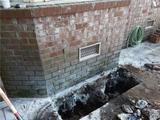
- Basement Foundations: Built below ground, stable but prone to groundwater issues without proper basement waterproofing.
- Poured Concrete Foundations: Durable and water-resistant, but still benefit from added barriers and concrete foundation waterproofing.
- Concrete Slab Foundations: Common today, but vulnerable to poor drainage and surface water without slab waterproofing.
- Crawl Space Foundations: Raised foundations with limited clearance under the home; require vapor barriers, drainage, and encapsulation for effective crawl space waterproofing.
- Pier-and-Beam Foundations: Elevated on piers, leaving accessible crawl spaces that also need dehumidification, drainage, and vapor barriers as part of pier-and-beam waterproofing.
Each foundation type requires a tailored waterproofing solution to prevent moisture intrusion, protect structural integrity, and keep your home dry long term.
Get a Free Basement Waterproofing Inspection in Charlotte

Basement water problems don’t improve on their own. In fact, they often worsen over time and become more expensive to repair. While the right waterproofing products are essential, a proper assessment, diagnosis, and professional installation ensure that your home remains protected in the long term.
Mount Valley Foundation Services offers free basement inspections, thoroughly assessing your specific situation and recommending the most effective waterproofing solutions for your home.
Contact us today to learn more.
Basement Waterproofing FAQs
We’ve saved the best concern for last. Undoubtedly, this is one of the most-asked homeowner questions. It’s a big deal, and we understand that. We also understand how frustrating it can be to not get a straight answer right away from our office.
To give you a general idea, homeowners can expect to spend an average of $4,000 on basement waterproofing. Various projects that go into the repairs typically range from $2,000 to $10,000. The return on investment from basement waterproofing is estimated to be around 30 percent.
There’s a lot to consider with the cost of wet basement repairs. Because every house is unique and has its own different repair needs, there’s no “one size fits all” solution. What may have worked for even your next-door neighbor’s home might not be exactly what your house needs.
That’s another reason why being present for an appointment with one of our certified inspectors is so important. The inspector needs to physically be in your home to look at the problems and get a better idea of what’s going on. He will then be able to customize repair solutions specific to your home’s repair needs. Along with your budget and repair goals, your inspector also will take the severity of damage or problem areas, square footage, and amount of material needed into consideration.
Even though the cost can range significantly depending on the basement problems and needs, can you really put a price on your peace of mind and family’s health? Think of it as an investment with priceless benefits.
Absolutely. Improper landscaping that directs water towards your home can increase the risk of water entering through the foundation.
Basement wall cracks can result from a variety of factors. Common causes include soil movement and settling, hydrostatic pressure from saturated soil, freeze-thaw cycles affecting the foundation, flaws in the concrete curing process, and pressure from expanding tree roots. Understanding the specific cause of the cracks in your basement is essential for determining the most effective repair strategy. Mount Valley Foundation Services offers comprehensive inspections to identify the underlying causes of basement wall cracks – contact us today to schedule your appointment!

Shaye Glisson
Related Resources


Publish Date:
Last Modified Date:
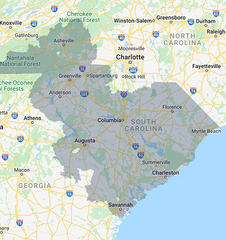
Our Locations
53 N Market St, Suite 5
Asheville, NC 28801
630 Ellis Street, Suite 2-B
Augusta, GA 30901
1850 Ashley River Rd
Charleston, SC 29407
401 Gamble Dr., Suite B
Columbia, SC 29209
1704 N. Oak Street, Suite 3
Myrtle Beach, SC 29577
6606 Abercorn St., Suite 211
Savannah, GA 31405