
Floor Crack
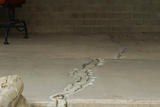
Is there a mysterious floor crack weaving across your living room floor? You’re not alone. Many homeowners face this daunting problem, but understanding the causes and solutions can put your mind at ease. Dive in as we unravel the mystery behind floor cracks!
What Are Floor Cracks?
Floor cracks are more than just lines on your floor; they are warning signs that your home’s foundation is in distress. Common co-occurrences with floor cracks include:
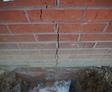
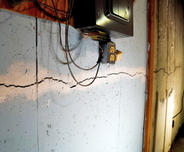
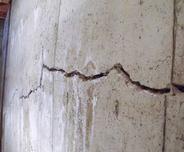
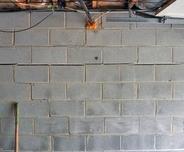
- Cracks in the foundation walls: A telltale sign that your home is experiencing foundational issues.
- Foundation settling: Over time, a house can settle, leading to uneven floors and cracks.
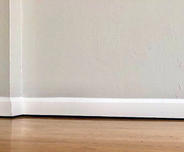
- Floor Gaps: Keep an eye out for emerging gaps, which can signal a serious problem.
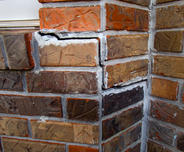
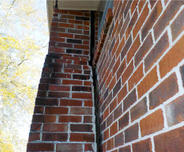
- Chimney exhibiting cracks: Cracks in the chimney can be a direct result of foundation problems.
- Water permeating into the home: Water can enter through cracks, causing further damage.
- Mold development: A severe consequence of water entering your home is the growth of mold.
What Causes Floor Cracks
Understanding the causes of floor cracks is crucial in finding the right solution. Here’s a deep dive into the possible reasons behind the phenomenon:
Material Contraction
As materials age, they tend to contract, creating gaps and ultimately, floor cracks.
Overload Issues
Placing too much weight on the floor can cause cracks due to overloaded pressure points and the foundations inability to withstand the pressure.
Soil Movements
Soil movements beneath the home can lead to an unstable foundation and the appearance of cracks on the floor.
Soil Characteristics
Certain soil types can expand and contract significantly with moisture changes, encouraging foundation issues.
Foundation Heave
Sometimes, the foundation heave due to soil expansion, causing floor cracks.
Can Floor Cracks Be Effectively Repaired?
Absolutely! Floor cracks may seem daunting, but they can indeed be repaired with expertise and the right techniques. At Mount Valley Foundation Services, we have honed strategies that address the issue at its core, ensuring long-lasting solutions.
Foundation Support Specialists’ Strategy for Fixing Floor Cracks
Our method for fixing floor cracks will depend on your home’s specific foundation issues. We’ll start with a complimentary inspection, where we’ll diagnose your home’s problems and provide you with a quote.
Comprehensive Inspection
Before rushing to solutions, our team performs a detailed inspection of the foundation and the floor to identify the underlying issue. This stage may involve evaluating the soil properties, checking the material of the foundation, and analyzing the patterns of the cracks, which can often provide significant clues to the underlying problems.
Load Redistribution Techniques
Over time, a foundation can suffer from uneven load distribution, leading to floor cracks. Our specialists are equipped to remedy this through the employment of structural enhancements, which might involve:
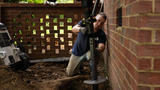
- Push Piers: These are essential in stabilizing structures, as they transfer the weight of your home to stable soil layers.
- Helical Piers: Ideal for lighter structures, they provide stability and prevent further settlement.
- Slab Piers: Used to lift and stabilize concrete slabs that have sunk or cracked, restoring them to their original position.
Strengthening Wall Structures
To fortify your home against floor cracks and other foundation issues, strengthening wall structures is vital. Here are some of the techniques we use:
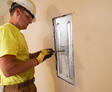
- Carbon Fiber Wall Straps: These are used to reinforce weakened walls, providing the tensile strength needed to hold them together and prevent further cracking.
- I-Beams: Installed to provide additional support to walls that are bowing or cracking, thereby halting further movement and stabilizing the structure.
- Wall Anchors: By anchoring the walls to stable soil outside the foundation, wall anchors help to pull the wall back to its original position, offering a permanent solution to wall failures.
Waterproofing Measures
A crucial step in ensuring the longevity of the repairs is implementing waterproofing measures. These steps are taken to prevent water from entering your home through cracks and causing further damage. Basement waterproofing plays a significant role in this, involving:
- Interior Waterproofing: This might include applying sealants and installing weeping tiles to manage the water that enters through the cracks.
- Exterior Waterproofing: Involves the application of a waterproof membrane on the exterior walls of the basement, coupled with proper drainage systems to steer water away from the foundation.
- Sump Pump Installation: A sump pump ensures that any water accumulating in your basement is promptly pumped out, protecting your foundation from water damage.
By incorporating a strategic combination of these advanced techniques and materials, we at Mount Valley Foundation Services aim to not just repair the existing cracks but to fortify your home against future foundational issues. It’s about building a secure future for your home, one repair at a time.
The Importance of Timely Floor Crack Intervention
Taking action early can prevent minor cracks from turning into major problems. Timely intervention saves you time, money, and maintains the safety of your home.
Connect with Foundation Support Specialists for Expert Solutions
Don’t let floor cracks ruin the beauty and safety of your home. Reach out to Foundation Support Specialists for expert solutions tailored to your home’s specific needs. Call today to schedule a free consultation and no-obligation quote.
FAQs
The good news is that a vast majority of floor cracks can indeed be repaired, restoring the safety and aesthetics of your home. However, it is important to note that the repair strategy would significantly depend on a variety of factors such as the severity of the crack, its location, and the underlying cause which led to the crack in the first place.
For minor cracks, simple sealing solutions might suffice. These involve using epoxy injections or sealants that fill the crack and prevent moisture from seeping in.
For more severe cracks, especially those indicating foundational shifts or soil instability, a more comprehensive approach will be necessary. This could involve the use of sophisticated solutions such as the installation of piers to stabilize the foundation, or wall anchors to secure basement walls.
Addressing a floor crack promptly is vital to maintain the structural integrity of your home. While a small crack might appear harmless initially, it can quickly escalate into a more serious issue, including water infiltration, mold growth, and even structural damage to your home.
Identifying whether a floor crack is a serious issue can sometimes be a challenge because not all floor cracks indicate a foundational problem. However, there are certain signs that can hint at a more serious underlying issue. Here are some signs to look out for:
- Width and Depth: Cracks that are wider and deeper are generally more concerning compared to thin, superficial cracks. A crack that is wider than 1/8 of an inch should be inspected promptly.
- Location: The location of the crack can also be a determinant. Cracks near the corners of the walls or close to windows and doors might indicate more serious issues.
- Continuous Expansion: If you notice that a crack is gradually expanding over time, it is a sign that there is ongoing movement in the foundation, and this requires immediate attention.
Related Resources

Explore more problem signs


Our Locations
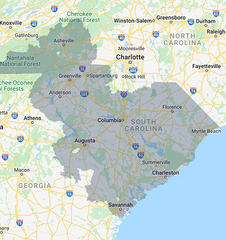
1850 Ashley River Rd
Charleston, SC 29407
401 Gamble Dr., Suite B
Columbia, SC 29209
1704 N. Oak Street, Suite 3
Myrtle Beach, SC 29577
6606 Abercorn St., Suite 211
Savannah, GA 31405