
Is Your Columbia, SC Slab Foundation Shifting?
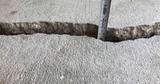
If you live in Columbia, SC, your home could show signs of slab foundation shifting without you realizing it. Foundation issues are common in the Midlands, but they don’t have to compromise your home’s safety or stability.
Homeowners in Lexington and Richland counties can learn here how to identify slab foundation shifting and explore effective repair solutions.
- What is Slab Foundation Shifting?
- Signs of Slab Foundation Shifting in Columbia, SC Homes
- What Causes Slab Foundation Problems in Columbia, SC?
- When Should You Worry About Slab Foundation Shifting?
- Professional vs. DIY Slab Foundation Repair: What to Know
- What is the Best Way to Repair a Slab Foundation?
- How to Protect Your Concrete Slab Foundation
- Mount Valley Foundation Services: Expert Slab Foundation Repair
What is Slab Foundation Shifting?
Slab foundation shifting occurs when a home’s concrete slab settles unevenly due to changes in soil moisture, drainage, or construction quality.
In Columbia, SC, including neighborhoods like Forest Acres, slab foundations are widely used due to their affordability. However, clay-heavy soils in the area expand when wet and shrink when dry, making homes more vunerable to movement and foundation cracks over time.
Recognizing the signs early helps prevent further damage.
Signs of Slab Foundation Shifting in Columbia, SC Homes
Common warning signs of slab foundation shifting include:
- Cracks in drywall or nail pops on walls or ceilings
- Gaps or cracks in flooring
- Doors and windows that stick, warp, or no longer align properly
- Uneven or sloping floors
- Exterior cracks along the slab foundation
- Cracked or leaning chimneys
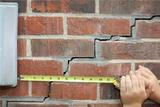
- Stair-step cracks in brickwork, common in older Columbia neighborhoods like Shandon or Elmwood Park
A professional inspection confirms the cause of damage and identifies the proper repair solution.
What Causes Slab Foundation Problems in Columbia, SC?
Slab foundation problems in Columbia, SC are caused by a combination of soil conditions, climate, and water management issues:
- Expansive Clay Soil: Soils in Lexington and Richland counties expand when wet and shrink when dry, destabilizing soil.
- Climate: Hot summers, high humidity, and heavy rainfall increase soil fluctuations.
- Floodplains and Water Tables: Homes near the Congaree River or flood-prone areas are mor susceptible to shifting.
- New Construction and Soil: Recently built homes in Northeast Columbia or Blythewood may settle unevenly if the soil wasn’t compacted properly.
- Tree Roots: Expanding root systems can displace soil around foundations.
- Plumbing Leaks: Water leaks beneath or near slabs wash away supporting soil.
- Improper Drainage: Clogged gutters, poor grading, and standing water create soil instability.
- Construction Defects: Mistakes during slab installation, such as poor compaction or curing, can cause long-term problems.
When Should You Worry About Slab Foundation Shifting?
Homeowners in Columbia should worry about slab foundation shifting if they notice signs such as:
- Doors and windows that no longer open or close easily
- Large or widening slab cracks
- Uneven or visibly sloping floors
- Water pooling near the foundation after rainfall
Ignoring these warning signs can lead to safety risks, costly repairs, and reduced property value.
Professional vs. DIY Slab Foundation Repair: What to Know
DIY slab foundation repair is not recommended beyond patching very minor surface cracks. Columbia, SC, building codes often require permits, and most structural issues need professional methods. Common professional solutions include:
- Foundation Inspections: Expert diagnosis of underlying problems
- Soil Stabilization: Strengthens the soil supporting the slab
- Piering Systems: Push piers, helical piers, or slab piers stabilize and lift foundations
Attempting DIY foundation repair may worsen damage and fail to meet local code requirements.
What is the Best Way to Repair a Slab Foundation?
The best way to repair a slab foundation in Columbia, SC, depends on the damage:
- Concrete Lifting (Polyurethane Foam Injection): Fills voids, stabilizes soil, and lifts uneven slabs.
- Concrete Slab Piers: Transfers the slab’s weight to stable soil and restores its original position.
- Helical or Push Piers: Used for more severe settlement, depending on soil and structure conditions.
Professional recommendations are based on soil type, foundation design, and the extent of damage.
How to Protect Your Concrete Slab Foundation
Columbia homeowners can prevent slab foundation damage by:
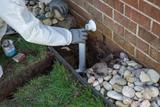
- Enhancing Drainage: Keep gutters and downspouts clog-free and pointed away from the slab foundation for proper water flow.
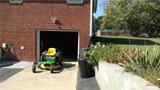
- Maintaining Soil Moisture: Use soaker hoses during droughts to prevent soil shrinkage around the foundation. Avoid over-watering, as soil saturation also causes damage.
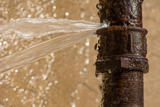
- Checking for Plumbing Leaks: Fix leaks promptly to prevent soil washout.
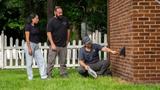
- Schedule Regular Inspections: Homes near the Congaree River and other flood-prone areas should be inspected routinely.
Mount Valley Foundation Services: Expert Slab Foundation Repair

Even small cracks should be monitored. If you’re unsure, contact Mount Valley Foundation Services for a professional inspection.
We understand the unique foundation challenges in Columbia, SC and throughout the Midlands. Our team provides tailored repair solutions to protect your home from shifting soils, flooding, and climate stress.
Contact us today for a free foundation inspection and discover how professional solutions can safeguard your home’ and family’s stability.
Slab Foundation Repair FAQs
Homeowner’s insurance policies differ, but most standard policies do not cover foundation repair unless specific, covered events like flooding or earthquakes cause the damage. It’s crucial to check your insurance policy and speak with your agent to understand what is and isn’t covered. Mount Valley Foundation Services can help guide you through the insurance maze and provide documentation you may need for claims.
The cost of foundation repair can vary significantly based on a wide range of factors including the severity of the damage, the solutions implemented, and the geographical location of your property. At Mount Valley Foundation Services, we provide a no-obligation comprehensive quote following an expert assessment to give you a clear understanding of the costs involved. We encourage you to reach out to us for a free inspection and repair estimate to understand the potential costs for your specific situation.
Hurricanes can lead to foundation damage through flooding, soil erosion, and the intense pressure of wind and water, which can create cracks and instability.

Shaye Glisson
Related Resources

Publish Date:
Last Modified Date:
Our Locations
1850 Ashley River Rd
Charleston, SC 29407
401 Gamble Dr., Suite B
Columbia, SC 29209
1704 N. Oak Street, Suite 3
Myrtle Beach, SC 29577
6606 Abercorn St., Suite 211
Savannah, GA 31405